
Is It Worth Buying Pizza Stone or Pizza Steel?
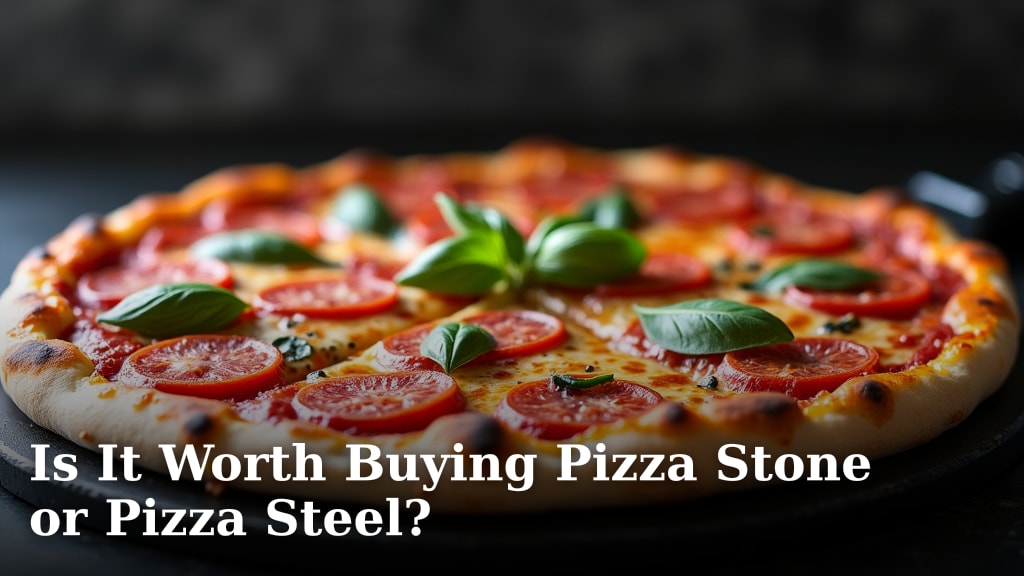
Yes, buying a pizza stone or pizza steel is worth it if you want to make better pizza at home. We found these tools create a much crispier crust and cook your pizza more evenly. They help turn your regular home oven into a pizza-making powerhouse.
These specialized baking surfaces store and transfer heat to your pizza. This intense heat helps achieve that delicious, chewy-yet-crispy texture you love. You’ll find a significant difference compared to just using a baking sheet.
- Pizza stones and steels greatly improve homemade pizza.
- They provide intense, even heat for a better crust.
- Pizza steels heat faster and are more durable than stones.
- Pizza stones are more affordable and still offer great results.
- Consider your budget and desired durability when choosing.
So, are you ready to upgrade your pizza night? Let’s break down everything you need to know about these essential kitchen tools.
The Value of Pizza Stones and Steels for Home Pizza Making
You want to know if investing in a pizza stone or pizza steel is truly worth it for your homemade pies. Our research shows a resounding “yes.” These tools genuinely make a difference.
They transform a basic home oven into a more effective pizza cooking environment. This means crispier crusts and more evenly cooked toppings for you.
How Pizza Stones and Steels Revolutionize Your Pizza
Think about how professional pizzerias cook their pizzas. They use incredibly hot ovens. These ovens often have ceramic or brick floors that absorb and radiate intense heat.
Your home oven, while good, typically doesn’t reach the same temperatures. It also loses heat quickly when you open the door.
Pizza stones and steels mimic those professional oven floors. They act as a thermal battery. They absorb and store a lot of heat, then quickly transfer that heat to your pizza dough.
This rapid heat transfer is called thermal conductivity. It’s key to achieving a great crust.
The Science Behind a Perfect Crust
When your pizza hits a hot stone or steel, the high heat causes the dough to instantly “spring.” This is known as oven spring. It creates an airier, lighter crust.
The intense heat also quickly evaporates moisture from the bottom of your dough. This rapid evaporation is what gives you that desirable crispy texture.
Without a stone or steel, your pizza cooks more slowly. The bottom crust often turns soggy before it can crisp up. It’s a common frustration for home pizza makers.
Understanding Pizza Stones
Pizza stones are usually made from ceramic, cordierite, or clay. These materials are excellent at absorbing and retaining heat. They have been a popular choice for years.
They work by slowly heating up in your oven. Once hot, they radiate a consistent, even heat. This helps to bake your pizza from the bottom up.
Pros of Using a Pizza Stone
- Affordability: Stones are generally less expensive than steels. This makes them a great entry-level option.
- Heat Retention: They hold heat very well once preheated. This helps cook multiple pizzas consistently.
- Traditional Feel: Many people feel a stone gives a more “traditional” pizza cooking experience.
- Even Browning: They tend to promote a lovely, even browning on the bottom crust.
Cons of Using a Pizza Stone
- Fragility: Pizza stones can crack. Extreme temperature changes, like putting a cold pizza on a hot stone, can cause thermal shock.
- Slower Heating: They take longer to preheat than steels. You’ll need to plan for at least 45-60 minutes.
- Porosity: Stones are porous. This means they can absorb oils and stains. Cleaning can be a bit more challenging.
- Weight: Some stones can be quite heavy and cumbersome to move.
Understanding Pizza Steels
Pizza steels are typically made from solid carbon steel. They are a newer alternative to pizza stones but have quickly gained popularity.
Steel has a much higher thermal conductivity than ceramic. This means it absorbs and transfers heat more efficiently and quickly.
Pros of Using a Pizza Steel
- Superior Conductivity: Steel transfers heat to your pizza much faster. This leads to a quicker, crispier crust.
- Durability: Pizza steels are virtually indestructible. They won’t crack or break. You can drop it without worry.
- Faster Preheat: Steels typically preheat in about 30-45 minutes. This saves you some waiting time.
- Better Char: The intense heat from steel can give your crust a more desirable char and leopard spotting.
- Non-Porous: Steel is non-porous. It won’t absorb smells or stains like a stone can. Cleaning is usually easier.
Cons of Using a Pizza Steel
- Cost: Pizza steels are generally more expensive upfront. This can be a barrier for some.
- Weight: They are considerably heavier than most pizza stones. This can make handling difficult.
- Maintenance: Like cast iron, some steels require seasoning to prevent rust. This adds a small chore.
- Heat Intensity: The high heat can sometimes overcook the bottom if you’re not careful. It takes a little practice.
Pizza Stone vs. Pizza Steel: A Direct Comparison
When it comes down to it, both tools significantly improve homemade pizza. The choice often depends on your priorities.
Are you looking for affordability and a traditional feel? A stone might be your pick. Do you prioritize speed, durability, and maximum crispiness? A steel is likely better.
Here’s a quick comparison to help you decide:
| Feature | Pizza Stone | Pizza Steel |
|---|---|---|
| Material | Ceramic, Cordierite, Clay | Carbon Steel |
| Durability | Fragile, can crack | Extremely durable, won’t break |
| Heat Conductivity | Good | Excellent, much higher |
| Preheat Time | 45-60 minutes | 30-45 minutes |
| Crust Crispness | Very good | Superior, faster crisping |
| Cost | Lower | Higher |
| Maintenance | Porous, can stain | May require seasoning (like cast iron) |
Choosing the Right Option for Your Kitchen
Consider your personal cooking style and budget. Both provide fantastic results over a standard baking sheet. It’s about finding the best fit for you.
Ask Yourself These Questions:
- How often do you make pizza at home?
- Is budget a major concern for you?
- Are you willing to maintain seasoning on a steel?
- Do you prioritize ultimate crispness or a more traditional bake?
- How quickly do you need your oven to be ready for pizza?
If you’re on a tighter budget or just starting, a cordierite pizza stone is an excellent choice. Many reputable brands offer very good stones at reasonable prices.
If you make pizza often and want the absolute best performance and durability, a pizza steel is worth the extra investment. It’s a tool that will last a lifetime.
Tips for Using Your New Pizza Tool
No matter which you choose, proper use is key to getting the best results. We’ve gathered some important tips for you.
Preheating is Non-Negotiable
This is perhaps the most critical step. Your stone or steel needs to get incredibly hot. Place it in a cold oven and then turn the oven to its highest temperature setting.
Allow it to preheat for at least 45 minutes for steel, or 60 minutes for a stone. Some experts even recommend an extra 15-30 minutes once the oven light indicates it’s preheated (America’s Test Kitchen).
Handling Your Pizza
Use a pizza peel dusted with flour, semolina, or cornmeal. This helps your pizza slide easily onto the hot surface. Practice launching a “naked” dough first.
Once your pizza is on the hot surface, resist the urge to peek too often. Every time you open the oven door, you lose precious heat.
Cleaning and Care
For stones, let it cool completely in the oven. Scrape off any burnt-on bits with a spatula. Avoid soap, as it can be absorbed and taint future pizzas.
For steels, let it cool. Scrape it clean. If it’s seasoned, wipe it with a light coat of oil to maintain the seasoning. Never put a steel in the dishwasher.
Conclusion
Deciding between a pizza stone and a pizza steel comes down to your personal baking style and priorities. Both tools are a significant upgrade over a standard baking sheet, promising you crispier crusts and more evenly cooked pizzas.
If you prioritize affordability and a classic feel, a pizza stone is an excellent choice. If maximum crispness, speed, and durability are your goals, a pizza steel will deliver. Whichever you choose, get ready to transform your homemade pizza nights.
Invest in one of these tools, follow our tips, and get ready to enjoy truly exceptional homemade pizza!
Frequently Asked Questions
Can I use a pizza stone or steel on a grill?
Yes, you absolutely can! Many home pizza makers love using their pizza stone or steel on a grill to achieve even higher temperatures than a regular oven. Just be sure to preheat it thoroughly with the grill lid closed.
How do I prevent my pizza from sticking to the stone or steel?
The key is proper preheating and using a good amount of flour, cornmeal, or semolina on your pizza peel. Make sure your dough isn’t too wet and transfer it quickly and confidently to the hot surface.
Do pizza stones or steels work for other baked goods?
Yes, they do! While optimized for pizza, both stones and steels are excellent for baking bread, focaccia, and even cookies. The intense, even heat helps create a beautifully browned and crispy crust on various items.
Is a thicker pizza stone or steel better?
Generally, a thicker stone or steel will retain and store more heat, leading to better results. Thicker options maintain their temperature better when you launch a cold pizza onto them, ensuring a more consistent bake.
How long will a pizza stone or steel last?
A good quality pizza stone can last for several years with proper care, though they can crack if mistreated. A pizza steel, on the other hand, is practically indestructible and will last a lifetime if cared for by preventing rust.
