
How Do You Choose Between Pizza Stone or Pizza Steel?
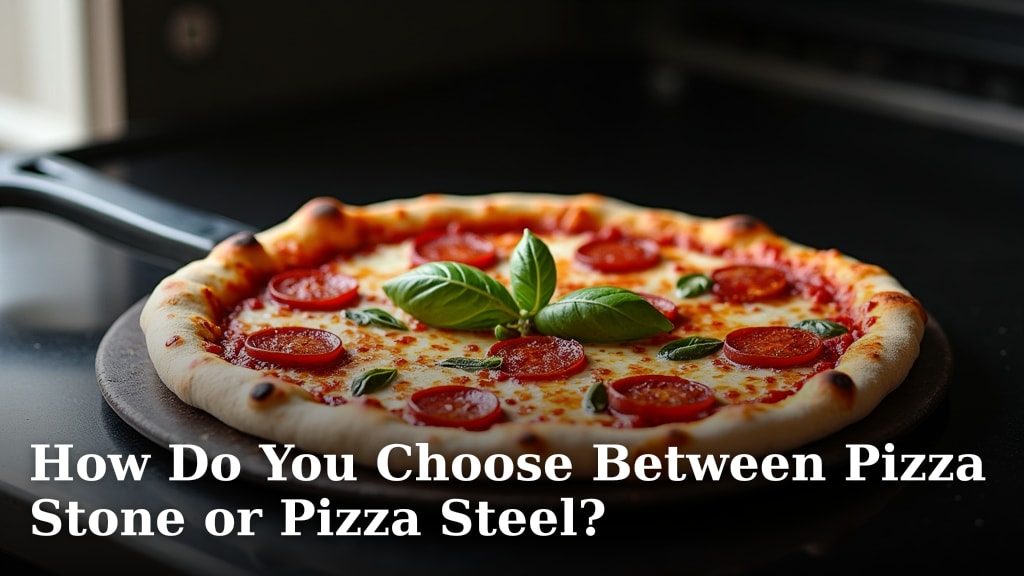
When choosing between a pizza stone or pizza steel, it really boils down to what kind of crust you prefer and how fast you want to cook. A pizza steel generally gives you a crispier crust faster due to its higher heat conductivity, while a pizza stone offers a more traditional, chewier crust.
You want to get that perfect pizza at home, right? We understand the struggle. Many home cooks wonder if a pizza stone or steel is better. We found that both have their strengths, depending on your oven and your pizza goals. It’s about finding the right tool for your kitchen.
- Pizza steel heats up faster.
- Pizza steel cooks pizza quicker.
- Steel creates a crispier bottom crust.
- Pizza stone gives a chewier, more traditional crust.
- Stone takes longer to heat up and cool down.
Let’s dive into the details so you can make the best choice for your next homemade pizza night.
Choosing Your Perfect Pizza Surface: Stone vs. Steel
Making great pizza at home often comes down to the right equipment. You’re looking for that perfect crust, right? We’ve found that both pizza stones and pizza steels can help you achieve it, but they do so in different ways. Understanding their core differences is the first step.
Understanding Thermal Conductivity: Why It Matters
When you’re trying to bake a pizza, you want your cooking surface to transfer heat effectively to the dough. This is called thermal conductivity. It’s how quickly heat moves through a material. Think of it like this: how fast does a metal spoon get hot in coffee compared to a wooden spoon?
Pizza steels are known for their high thermal conductivity. This means they get hot very quickly and transfer that heat to your pizza dough fast. Pizza stones, on the other hand, have lower thermal conductivity. They absorb and release heat more slowly. This core difference impacts your pizza’s texture and cooking time.
The Pizza Stone Experience: Traditional & Chewy
A pizza stone is usually made from ceramic, clay, or cordierite. These materials are porous, meaning they have tiny holes. This porosity is a big part of what makes a pizza stone special. Many home bakers love pizza stones for their ability to mimic a traditional brick oven.
When you use a pizza stone, it absorbs moisture from your pizza dough. This helps create a crispy, yet still chewy, crust. It’s a classic pizza experience that many people enjoy. We found that the slower, more even heat transfer from a stone can prevent the bottom of your pizza from burning before the top is cooked.
Pros of Using a Pizza Stone
- Traditional Crust: Offers a more classic, chewier crust texture.
- Moisture Absorption: Helps draw moisture from the dough, leading to a crisper exterior.
- Affordability: Generally less expensive than pizza steels.
- Versatility: Can be used for baking bread, cookies, and other items.
Cons of Using a Pizza Stone
- Fragility: Prone to cracking if dropped or exposed to sudden temperature changes.
- Slower Heat Up: Takes longer to reach optimal baking temperature.
- Lower Heat Retention: Doesn’t hold heat as long as steel, which can affect subsequent pizzas.
- Cleaning: Can absorb oils and stains, making cleaning a bit trickier.
The Pizza Steel Advantage: Fast & Super Crispy
Pizza steels are typically made from solid steel. This material is incredibly dense and an excellent conductor of heat. We’ve seen that steel can conduct heat about 20 times more effectively than ceramic or stone. This is why a pizza steel gets your pizza done so quickly!
With a pizza steel, you’ll often get a much crispier crust, especially on the bottom. The steel transfers intense heat to the dough almost instantly. This rapid heat transfer can create a beautiful “oven spring” in your crust, making it light and airy inside, but very crunchy on the outside. If you love a super crispy, New York-style crust, a steel might be your best friend.
Pros of Using a Pizza Steel
- Superior Conductivity: Heats up faster and transfers heat more efficiently.
- Crispier Crust: Delivers a much crispier, sometimes blistered, bottom crust.
- Durability: Virtually indestructible; won’t crack or break.
- Faster Cook Times: Cooks pizza much quicker, often in just a few minutes.
- High Heat Retention: Stays hot for a long time, great for cooking multiple pizzas.
Cons of Using a Pizza Steel
- Weight: Much heavier than pizza stones, making it harder to move.
- Cost: Typically more expensive upfront.
- Preheating Time: While it heats up faster, it needs a good long preheat to fully saturate with heat.
- Potential for Overcooking: Its intense heat can sometimes lead to a darker bottom if you’re not careful.
Key Differences: At a Glance
Let’s put it simply. We’ve done the research, and here’s a quick summary of how these two materials stack up. This should help you visualize their main characteristics.
| Feature | Pizza Stone | Pizza Steel |
|---|---|---|
| Material | Ceramic, Clay, Cordierite | Solid Steel |
| Heat Conductivity | Lower (Slower) | Higher (Faster) |
| Crust Type | Chewy, Crispy Edges | Very Crispy, Often Blistered |
| Durability | Fragile, Can Crack | Extremely Durable, Indestructible |
| Weight | Lighter | Heavy |
| Preheat Time | Longer (45-60 min) | Shorter to heat, but needs 45-60 min to saturate |
| Price | More Affordable | More Expensive |
Matching Your Oven to Your Pizza Surface
Your oven plays a big role in which surface might be better for you. Every oven is a little different, and some run hotter or cooler than their settings indicate. We found that understanding your oven’s capabilities can guide your choice.
If you have an oven that struggles to get very hot, a pizza steel might be a better option. Its high conductivity can help compensate for a less powerful oven. On the other hand, if your oven runs very hot, a stone might give you more control and prevent over-browning the bottom of your pizza.
Considering Your Pizza Style Preference
What kind of pizza truly makes you happy? This is a really important question. Your personal preference is key. Are you dreaming of a classic Neapolitan-style pizza with a soft, airy crust and some char? Or is it a super thin, cracker-crisp crust that you crave?
Many traditionalists prefer the stone for its ability to create a crust that has both chew and crisp. It feels more “authentic” to them. But if you’re chasing that super-crispy, intensely cooked bottom, often found in New York or even some Chicago thin-crust styles, steel is usually the way to go. It’s about what “pizza perfection” means to you!
Maintenance and Care: What to Expect
Once you choose, you’ll want to take care of your new tool. Both surfaces require some specific cleaning and care. We’ve gathered some tips to help you keep your pizza stone or steel in top shape for years of pizza-making joy.
- Pizza Stone: Never use soap. Soap can soak into the porous stone and impart flavors to your next pizza. Scrape off any stuck-on food with a spatula, then wipe with a damp cloth. Make sure it’s completely dry before storing or reheating.
- Pizza Steel: Treat it like a cast-iron pan. Scrape off food, then wipe clean. Some steels come pre-seasoned, but if not, you might want to season it like cast iron to prevent rust. Always ensure it’s dry to prevent rust. A light coat of cooking oil after cleaning can help too (Wirecutter).
Making Your Decision: A Quick Checklist
Still on the fence? No problem! Let’s simplify things with a quick checklist. Think about what’s most important to you in your pizza-making journey. This should help you narrow down your choice.
- Do you prioritize a super crispy bottom crust and fast cooking times?
- Are you looking for a more traditional, chewy crust with some crispness?
- Is durability and longevity a major concern for you?
- Are you sensitive to price differences between the two options?
- Do you mind a heavier cooking surface, or do you prefer something lighter to handle?
- How important is easy, low-maintenance cleaning to your routine?
Answering these questions honestly can point you toward the best option for your kitchen and your pizza dreams. There’s no single “best” answer, only the best for you.
Conclusion
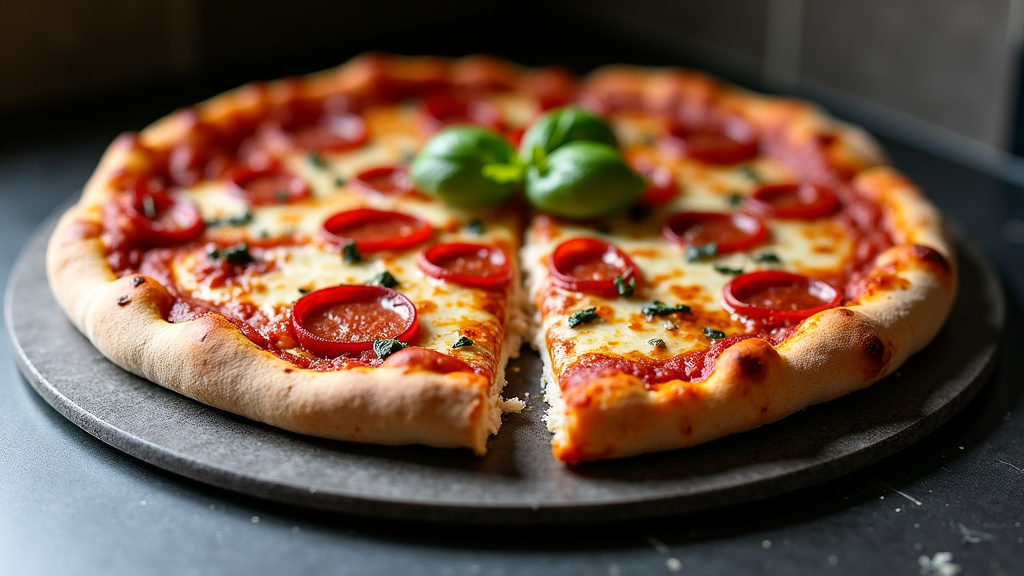
Choosing between a pizza stone or steel doesn’t have to be complicated. We found it really boils down to your personal preferences for crust texture and cooking speed. If you love a traditional, chewier crust and don’t mind a longer preheat, a pizza stone is a great choice. But if you crave a super crispy bottom and faster bake times, a pizza steel will likely be your best friend.
Consider your oven and budget too. Ultimately, the best surface is the one that helps you make the pizza you love most. So, think about your pizza dreams, and pick the tool that will bring them to life!
Frequently Asked Questions
Can I use a pizza stone or steel in a regular home oven?
Yes, absolutely! Both pizza stones and steels are designed for use in standard home ovens. You’ll typically preheat them in your oven at its highest temperature setting for an extended period to get them nice and hot.
How do I preheat a pizza stone or steel correctly?
To preheat, place your stone or steel in a cold oven, then turn the oven to its highest temperature setting. Allow it to preheat for at least 45 minutes to an hour after the oven reaches temperature. This ensures the surface is fully saturated with heat for the best results.
Is one option healthier than the other for cooking pizza?
No, there isn’t a significant health difference between cooking on a pizza stone or a pizza steel. Both materials are safe for food contact and won’t impart any unhealthy substances to your pizza. Your ingredient choices will have a much larger impact on the healthiness of your pizza.
Can a pizza stone or steel be used on an outdoor grill?
Yes, many pizza stones and steels are suitable for use on an outdoor grill. This can help achieve even higher temperatures than a home oven, leading to a crispier crust. Always check the manufacturer’s instructions for specific temperature limits and care when using on a grill.
What if I want a slightly crispy but still chewy crust?
If you’re aiming for a balance between crispy and chewy, a pizza stone might be your ideal choice, as it naturally produces that traditional texture. Alternatively, some home cooks use a steel for the initial bake to get a good bottom crisp, then finish the pizza on a lower rack or even briefly under the broiler.
