
Which Is Better Pizza Stone or Pizza Steel?
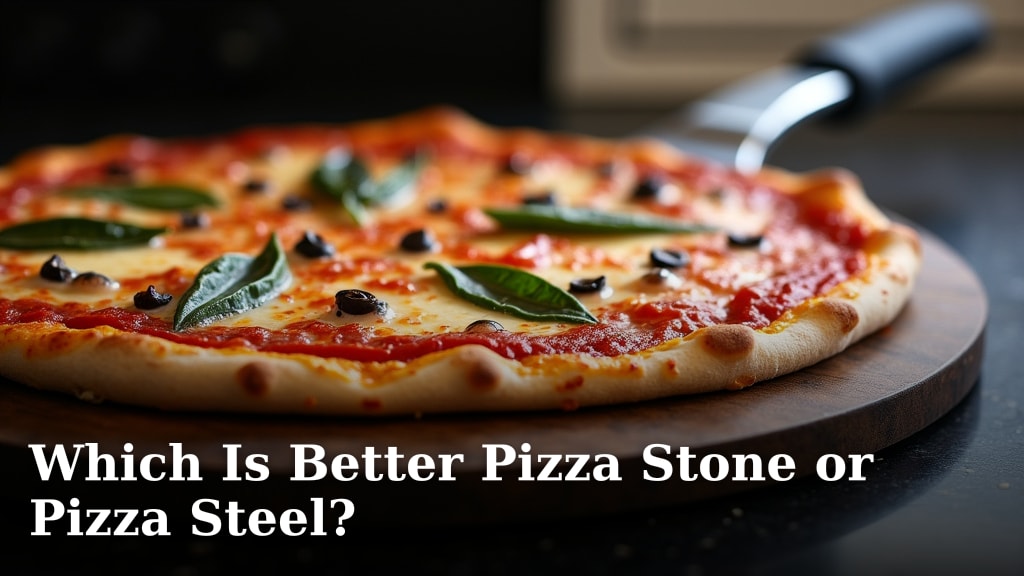
For making amazing homemade pizza, a pizza steel often outperforms a pizza stone. We found that steel heats faster and retains heat much better, leading to a crispier crust. This gives you that perfect, chewy-crispy texture every time.
Choosing between a pizza stone or pizza steel depends on your baking goals. While both create a better crust than a baking sheet, steel offers superior heat transfer. This can make a big difference for your homemade pizza nights.
- Pizza steel gets hotter and stays hot longer.
- Steel makes a crispier, chewier crust.
- Stones are generally more affordable.
- Steel is more durable and less likely to break.
- Both options are better than a standard baking sheet.
But how do these two popular baking surfaces compare in detail? Let’s research and found everything you need to know about which is better, pizza stone or pizza steel.
Comparing Pizza Stone and Pizza Steel Performance
Generally, we found that pizza steel offers superior heat transfer and durability compared to a pizza stone. This often leads to a crispier crust for your homemade pizzas.
When you’re trying to achieve that perfect pizza at home, both a pizza stone and a pizza steel promise a better crust than just a baking sheet. But they achieve this through different means. Understanding these differences helps you pick the right tool for your kitchen.
What is a Pizza Stone?
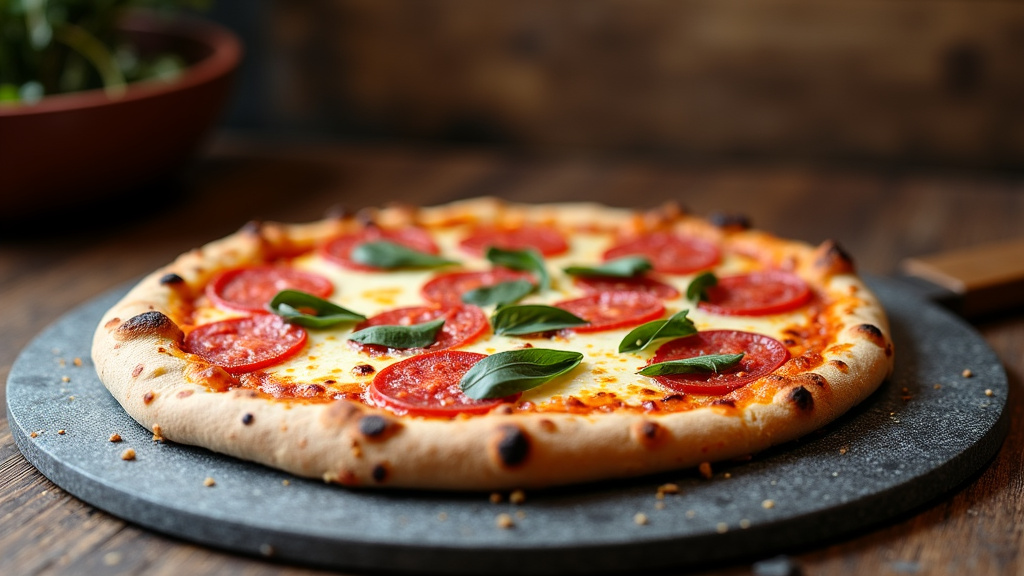
A pizza stone is typically made from ceramic, cordierite, or clay. It’s designed to mimic a traditional brick oven floor. The idea is to draw moisture from the dough, making it crispier.
You preheat the stone in your oven. It then holds that heat, providing a direct, high-temperature surface for your pizza. Think of it like a very hot tile that bakes from below. We found that stones generally take longer to heat up fully.
What is a Pizza Steel?
A pizza steel is a solid slab of steel or cast iron. Unlike a stone, steel is an excellent conductor of heat. We found that it heats up much faster and gets significantly hotter than a stone. This intense heat transfer is key for achieving a very crispy crust quickly.
It acts like a super-heater for your pizza. When your dough hits that hot steel, it cooks almost instantly, creating a rapid rise and a desirable crispness. Many experts say that steel’s thermal conductivity is about 20 times greater than ceramic (MIT).
Key Differences: Heat, Durability, and Maintenance
The materials make all the difference here. Let’s break down the practical impacts of these material differences in your kitchen.
Heat Retention and Transfer
This is where the biggest battle is fought. A pizza steel wins hands down. We found that steel heats up much faster than a stone. It also holds onto that heat longer and transfers it more efficiently to your pizza dough.
Imagine trying to toast a marshmallow with a candle versus a blowtorch. The steel is the blowtorch here, giving your pizza a powerful blast of heat. This leads to a quicker cook time and a more pronounced “oven spring” in your dough, resulting in a lighter, airier crust with a crispy bottom.
Pizza stones, while good, don’t get as hot as steel and lose heat quicker when a cold pizza enters the oven. This can sometimes lead to a less crispy bottom crust.
Durability and Longevity
Have you ever heard of a steel breaking from a fall? Probably not. A pizza steel is virtually indestructible. You can drop it, bang it, or even use it as a weight, and it will keep going. It will last for generations.
Pizza stones, on the other hand, are prone to thermal shock. This means if you take a hot stone and expose it to cold water, it can crack. We found that stones can also crack if placed in an oven before it’s fully preheated or if cooled too quickly. This fragility is a common complaint among users.
Maintenance and Care
Caring for your pizza tool is also different. A pizza steel needs to be “seasoned” like cast iron. This involves rubbing it with oil and baking it, creating a non-stick surface and preventing rust.
After use, you generally scrape off excess food and wipe it clean. We found that you should avoid soap for seasoned steel, as it can strip the seasoning. Simply rinse with hot water and dry thoroughly to prevent rust.
Pizza stones are simpler to clean in some ways. You mostly just scrape off food residue. You generally don’t use soap, as the porous material can absorb chemicals, potentially affecting future pizza flavors. We found that stones naturally darken and stain over time, which is normal and doesn’t affect performance.
Achieving the Perfect Crust: A Closer Look
For many, the crust is the most important part of a pizza. Both tools aim for a better crust, but which one delivers more consistently?
Crispiness and Chewiness
If you’re after that crispy-chewy, Neapolitan-style crust, a pizza steel tends to be the winner. The high initial heat causes the crust to puff up quickly and creates a blistered, crunchy exterior with a soft, airy interior (Cook’s Illustrated).
A pizza stone can produce a good crust, but it’s often more evenly cooked rather than intensely crispy. It’s excellent if you prefer a slightly softer, chewier bottom with less dramatic blistering.
Baking Time and Temperature
With a pizza steel, you’ll typically notice faster baking times. Its ability to get extremely hot means your pizza cooks in fewer minutes. This is great for busy weeknights or when you’re making multiple pizzas.
Pizza stones usually require a longer preheat time and may bake pizzas a minute or two longer. You want to make sure your stone is fully saturated with heat for the best result. Your oven’s highest temperature setting is usually recommended for both tools.
Factors to Consider Before Buying
So, which one is right for you? It often comes down to your budget, how often you make pizza, and what kind of crust you prefer.
Cost Comparison
Generally, pizza stones are more affordable. You can find decent ones for under $50. This makes them a great entry point for home pizza makers. Look for cordierite stones for better durability.
Pizza steels are an investment. They often cost $80 or more, with some premium models reaching well over $100. However, their durability means you likely won’t need to replace them.
Weight and Storage
A pizza steel can be surprisingly heavy. A standard 15×15 inch steel can weigh anywhere from 15 to 25 pounds. This can make it a bit cumbersome to move around and store. Make sure your oven rack can handle the weight.
Pizza stones are much lighter, typically weighing between 5 to 10 pounds. This makes them easier to handle and store in your kitchen cabinets. Their lighter weight also puts less strain on your oven racks.
Beyond Pizza: Other Uses
While designed for pizza, both tools have other uses. A pizza stone can be great for baking bread, artisan loaves, or even crisping up frozen foods like fries.
A pizza steel is also fantastic for bread, giving baked goods an incredibly crispy bottom. We found that some people even use them for baking cookies or searing steaks, though you’ll want to clean it well if you switch between savory and sweet.
Here’s a quick overview:
| Feature | Pizza Stone | Pizza Steel |
|---|---|---|
| Material | Ceramic, Cordierite, Clay | Steel, Cast Iron |
| Heat Up Time | Longer (45-60 min) | Faster (30-45 min) |
| Heat Transfer | Good, even | Excellent, intense |
| Crust Style | Crisp, even bake | Crispy, blistered, airy |
| Durability | Fragile, can crack | Extremely durable, nearly indestructible |
| Maintenance | Scrape, wipe (no soap) | Season, scrape, wipe (no soap) |
| Cost | $-$$ | $$-$$$ |
| Weight | Lighter | Heavier |
Choosing Your Pizza Surface: A Checklist
Consider these points to help you make your decision:
- What’s your budget? Stones are less expensive upfront.
- How much pizza do you make? Frequent bakers might prefer steel’s durability.
- What kind of crust do you love? Super crispy = steel; evenly crisp = stone.
- Are you okay with seasoning and heavier weight? Steel requires a little more hands-on care and is heavier.
- Do you want something that will last forever? Steel has an incredible lifespan.
Ultimately, either choice will elevate your homemade pizza game far beyond what a regular baking sheet can offer. It just depends on what specific benefits you value most in your kitchen.
Conclusion
You’ve seen how both pizza stones and steels can dramatically improve your homemade pizza. While a pizza steel generally wins for intense crispiness and durability, a pizza stone offers an affordable and lighter option for a reliably good crust. Your perfect choice ultimately depends on your budget, how much pizza you bake, and your ideal crust texture.
Consider your baking habits and kitchen setup. If you’re ready to invest in a long-lasting tool that delivers extreme crispiness, go for steel. If you prefer a lighter, more budget-friendly option, a stone is still a fantastic upgrade. Either way, you’re on your way to better pizza nights!
Frequently Asked Questions
Can I use parchment paper with a pizza steel or stone?
Yes, you can use parchment paper. It helps transfer the pizza to and from your hot steel or stone, making launching easier. Just be aware that most parchment paper is rated for temperatures up to 425°F, so check your brand’s specifications if you’re baking at higher temps.
How do I prevent my pizza from sticking to the steel or stone?
For steel, proper seasoning creates a non-stick surface. For both, ensure your dough has enough flour on the bottom and you launch it quickly. A little cornmeal or semolina flour on your peel can also help the pizza slide off smoothly.
How long should I preheat my pizza steel or stone?
We research and found that a pizza steel typically needs 30-45 minutes at your oven’s highest temperature. A pizza stone often requires a longer preheat, usually 45-60 minutes, to fully saturate with heat. Always give your device enough time to get screaming hot for the best results!
Can I bake frozen pizza on a pizza steel or stone?
Yes, both a steel and a stone work great for frozen pizzas. The intense heat from these surfaces will give your frozen pizza a much crispier crust than baking it on a standard tray. Just place the frozen pizza directly onto the preheated surface.
What thickness of pizza steel is best?
Most common pizza steels are between 1/4 inch and 1/2 inch thick. We found that a 3/8-inch thick steel offers a good balance of heat retention, heat transfer, and manageable weight for most home ovens. Thicker steels hold more heat but are significantly heavier.
