What to Look for in a 24-Inch Pizza Oven
Choose a 24-inch pizza oven by its usable cooking space, required clearances, and fuel setup. Measure the oven’s full footprint and the route to its installation spot, then check which fuel sources and connections are practical there.
On this page (6 sections)
A 24-inch pizza oven is worth considering when you need more cooking room, but the size label alone does not tell you how much pizza fits. Check the usable cooking surface, installation space, and fuel requirements before you choose.
Measure the location and access route, then compare the oven’s stated cooking area with your usual pizza size. For a smaller starting point, see How Do You Choose Between 12 Inch or 16 Inch Pizza Oven?.
What does a 24-inch pizza oven size mean?
A 24-inch label can refer to the oven’s outside dimension or its cooking area, depending on the model. Confirm what the measurement describes and how much space the pizza stone or deck actually provides.
A larger cooking surface may fit a wider pizza, multiple smaller items, or more room to maneuver a peel. The shape also matters: a 24-inch-wide oven does not necessarily have a 24-inch-deep cooking surface.
Check the maker’s stated maximum pizza size and measure the stone or deck if dimensions are available. Leave room around the pizza to turn it and keep it from touching the chamber walls.
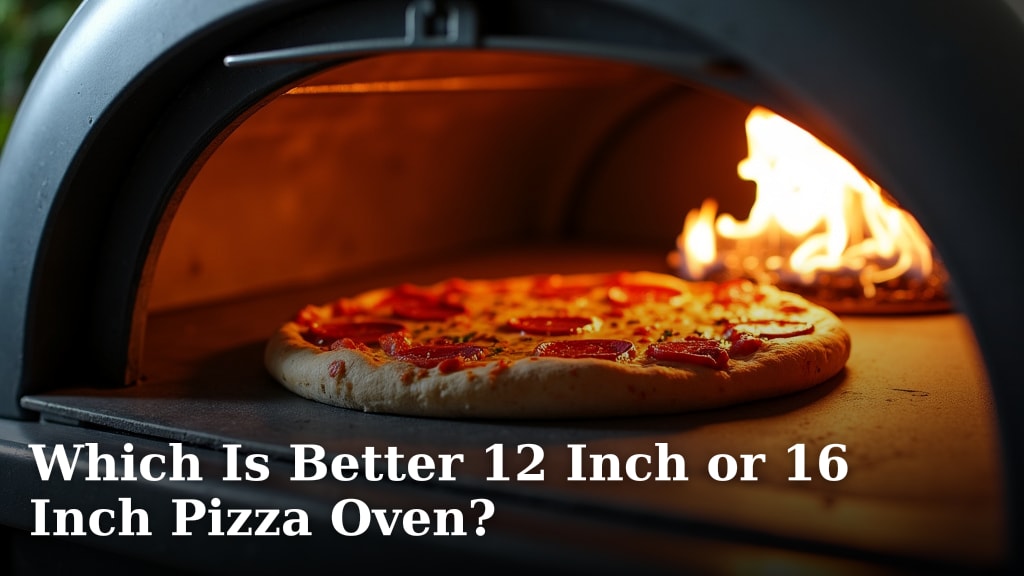
If you are weighing a smaller oven, compare Which Is Better 12 Inch or 16 Inch Pizza Oven? and best 18 inch pizza oven to see how capacity changes across sizes.
How much installation space does a large pizza oven need?
A large pizza oven needs more than its footprint: allow for the maker’s clearances, space to work, and a safe path for heat and exhaust. The required setup varies by fuel and whether the oven is designed for indoor or outdoor use.
Measure the full width, depth, and height, including legs, handles, door swing, and any attached burner or fuel connection. Then check the manual for clearance from walls, overhead surfaces, and combustible materials.
Also measure the route from delivery to the final spot. A wide oven may fit on a patio but not through a narrow gate, doorway, or turn.
A countertop model and a freestanding outdoor oven have different placement needs. For example, the BIG HORN gas oven is described as a countertop outdoor model, while the BIG HORN 12-inch oven has folding legs and is freestanding.
Which fuel should you choose for a 24-inch pizza oven?
Choose fuel based on where the oven will sit and what fuel you can use reliably. Gas, wood pellets, and electricity each call for different setup, control, and storage considerations.
| Fuel | Check before choosing |
|---|---|
| Gas | Confirm the required gas type, connection, regulator, and safe placement |
| Wood pellets | Check approved pellet type, storage, loading, and ash cleanup |
| Electric | Confirm the required outlet and power supply |
| Wood | Check fuel storage, fire rules, smoke, and cleanup |
Gas may suit a routine where you want burner controls and a steady supply. For outdoor gas options, compare 16-inch propane pizza ovens.
Pellets can appeal if you want to cook with wood fuel, but they need dry storage and active fuel management.
Some ovens support more than one fuel only when you add separate parts. The BIG HORN 12-inch model can use pellet fuel, with gas and electric burner attachments sold separately.
For a basic explanation of oven heat and operation, read What Is a Pizza Oven and How Does It Work?. For a pellet model’s fuel setup, see What Is a Pellet Pizza Oven and How Does It Work?.
What cooking capacity do you need?
Choose capacity around the pizza size and number of pizzas you expect to cook at once. A larger oven can offer more working room, but it does not guarantee faster cooking or less turning.
For a rotating-stone example, read the HALO Versa 16 review.
Think about your usual meal: one large pizza, several smaller pizzas, or a mix of pizza and other foods. Check whether the oven’s stated capacity describes a maximum pizza diameter or the stone dimensions.
Also consider how you will move pizzas inside the oven. A peel needs room to enter, and some ovens call for turning the pizza during cooking.
The BIG HORN gas oven has a 15-inch stone and is described as fitting pizzas up to 14.7 inches. That is a useful capacity reference, though it is smaller than the 24-inch size in this guide.
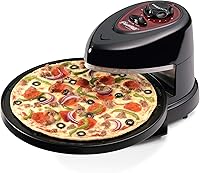
The Presto rotating oven is a countertop electric option sized for pizzas from 7 to 12 inches, so it suits a different scale than a 24-inch outdoor oven. For a larger electric countertop model, compare 14-inch electric pizza ovens.
If you are unsure whether the added capacity is useful, read Is It Worth Buying 12 Inch or 16 Inch Pizza Oven?.
What else should you check before choosing?
Check temperature control, heat distribution, cleanup, and storage alongside size and fuel. These details shape how the oven fits into regular cooking.
Look for clear controls and instructions for preheating, turning, and managing different crust thicknesses. If the oven requires rotation, make sure its opening and cooking surface leave room to use a peel safely.
Consider how the stone or cooking surface is cleaned and whether parts can be removed. Outdoor models also need a dry, suitable place for storage when they are not in use.
Use the maker’s setup and safety instructions for the exact model. If you plan to install a gas or wood-fired oven in a fixed location, check local fire and building requirements before setting it up.
How do you choose the right 24-inch pizza oven?
Choose a 24-inch pizza oven when its usable cooking area fits your pizzas and your installation spot meets its clearance and fuel needs. Pick a smaller oven if the larger chamber would take more room and capacity than your routine requires.
Measure the oven and the path to its location, verify the cooking surface and maximum pizza size, then confirm fuel, connections, and safe clearances. For the size decision, compare the 12-inch and 16-inch pizza oven options before settling on a larger model.
Frequently asked questions
What does 24 inches mean on a pizza oven?
It may refer to the oven's outside width, cooking surface, or a maker's size label, so check the exact measurement before comparing models. Confirm the usable stone or cooking area and the largest pizza it can hold, then compare those measurements with the pizzas you plan to make.
How much room should I leave around a pizza oven?
Use the clearances in the oven's manual because heat and ventilation needs vary by design and fuel. Measure the oven, required gaps, and space to load and turn pizzas; keep it away from surfaces or materials the maker says are unsafe, and check local rules for outdoor installation.
Is a gas or pellet pizza oven easier to use?
Gas can offer direct burner control, while pellets require you to manage fuel and keep it dry. Setup, heat control, cleanup, and fuel availability all affect convenience, so choose the option that fits your cooking location and routine, and follow the maker's instructions for operation.
Can a 24-inch pizza oven cook smaller pizzas?
Usually, a larger oven can cook a smaller pizza if its design and instructions allow it, but the extra chamber space may take longer to heat. Check the cooking surface size, heat controls, and any guidance for smaller pizzas before choosing a model for mixed pizza sizes.