
Why Is My Pizza Toppings Burning Before Crust?
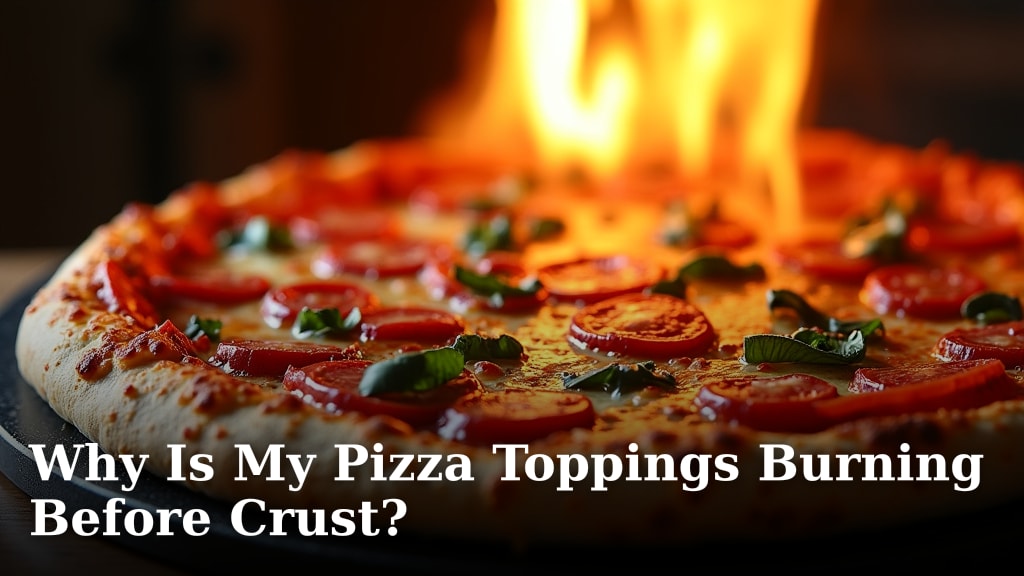
Your pizza toppings are burning before the crust because the oven temperature is too high or your pizza is too close to the heating element. This common pizza problem means the top cooks much faster than the bottom. We found that adjusting your oven settings can make a big difference. Often, a few simple tweaks resolve this frustrating issue. This common pizza problem means the top cooks much faster than the bottom, a sign of uneven baking.
Many home cooks experience this issue. It’s especially common when using a very hot oven for a crispy crust. The toppings can go from perfectly golden to charred in mere minutes. Understanding the heat distribution in your oven is key. This will help you achieve that perfect, evenly cooked pizza every time.
- High oven temps burn toppings fast.
- Pizza placement matters a lot.
- Adjusting rack position helps.
- Lowering temp or using specific pizza tools can fix it.
Let’s get your pizza perfectly baked, edge to edge. Below, we break down exactly why this happens and how you can fix it.
Troubleshooting Burnt Pizza Toppings: Why Your Crust is Still Pale
It’s a common pizza-making tragedy: you pull a pizza out of the oven, and the toppings are blackened while the crust is still pale and doughy. This frustrating scenario happens when the top of your pizza cooks much faster than the bottom. We’ve found that several factors contribute to this uneven baking. The good news is that understanding these causes is the first step to fixing them. You can achieve that perfect, evenly cooked slice with a little adjustment.
Understanding Your Oven’s Heat Distribution
Your oven’s heating elements play a big role in how your pizza cooks. Most home ovens have heating elements at the top and bottom. Sometimes, the top element is much more powerful. This can cause toppings to cook and burn before the crust has a chance to brown properly. We found that the location of your pizza within the oven is incredibly important for managing this heat.
The Radiant Heat Effect
The top element emits intense radiant heat. This heat bombards your toppings directly. If your pizza is too close to this element, it’s like holding your pizza directly over a campfire. The delicate cheese and toppings will char quickly. We’ve found that positioning is key to avoiding this direct blast of heat.
Convection vs. Conventional Ovens
Convection ovens use a fan to circulate hot air. This can lead to more even cooking. However, the fan can also speed up the cooking process for the top layers. If you have a convection oven, you might need to adjust your temperature or cooking time. Research suggests that convection can sometimes intensify the “top-down” cooking effect.
Why Pizza Placement Matters So Much
Where you place your pizza on the oven rack is not just a suggestion; it’s a critical factor in achieving a balanced bake. Think of your oven as having different heat zones. The bottom rack is closest to the lower heating element, while the top rack is closest to the upper element. We found that the middle rack is usually the sweet spot for most pizzas.
The Top Rack Trap
Placing your pizza on the top rack is a surefire way to scorch your toppings. You’re essentially putting your pizza right under the broiler. Even if you don’t have the broiler on, the top element is still the primary heat source up there. We found that many home cooks inadvertently make this mistake when they want a quicker bake.
The Bottom Rack Dilemma
Conversely, the bottom rack can sometimes lead to a burnt crust before the top is even cooked. This happens if your bottom heating element is very strong. While it helps crisp the crust, you need to be mindful of your topping’s proximity. It’s a delicate balance, and we found that monitoring is essential here.
Finding the Perfect Middle Ground
For most home ovens, the middle oven rack is the ideal location. It allows for more even heat distribution from both the top and bottom elements. This helps the crust cook thoroughly while giving your toppings just enough time to melt and brown without burning. We recommend starting with the middle rack and adjusting from there.
Temperature Settings: The Hotter Isn’t Always Better Debate
Many pizza recipes call for high oven temperatures, often 450-500°F (232-260°C) or even higher. While high heat is great for achieving a crispy crust, it can also be the culprit behind burnt toppings. We found that the oven temperature needs careful consideration, especially with sensitive toppings.
High Heat and Fast Cooking
When your oven is extremely hot, the surface of your pizza cooks very rapidly. The cheese and toppings on top can caramelize and then burn quickly. Meanwhile, the dough underneath needs time to cook through. This time lag is why you end up with burnt tops and undercooked bottoms. Many sources suggest that intense heat creates this disequilibrium (NIH).
Preheating is Key, But How Long?
Proper preheating ensures your oven is at the correct temperature when the pizza goes in. This is vital for a good crust. However, simply waiting for the oven to beep doesn’t always mean the oven floor or pizza stone is adequately heated. We found that allowing an extra 15-20 minutes for preheating, especially with a pizza stone, can make a difference.
When to Lower the Heat
If you consistently find your toppings burning, it might be time to lower your oven temperature slightly. You could try reducing the heat by 25°F (about 15°C) and extending the baking time a bit. This gives the crust more time to cook without overdoing the toppings. We found this simple adjustment often resolves the issue.
Toppings: Your Role in the Burning Saga
It’s not just the oven’s fault! The type and amount of toppings you use can also influence how quickly they burn. Some ingredients are more prone to charring than others. We found that certain toppings require a bit more attention.
Delicate Toppings Burn Faster
Thinly sliced peppers, fresh herbs, or delicate cheeses like goat cheese can burn very quickly. They have less moisture to protect them from the intense heat. If you love these toppings, consider adding them halfway through the baking process. This is a trick many professional bakers use.
The Cheese Layering Trick
Sometimes, placing your cheese strategically can help. A layer of cheese closer to the crust can act as a barrier for delicate toppings. You might even put a thin layer of sauce on top of that, then your other toppings, and finally a bit more cheese. We found that experimenting with the order of operations can yield great results.
Too Many Toppings?
Loading your pizza with an excessive amount of toppings can also cause problems. A very thick layer of toppings can trap heat. This can lead to uneven cooking. The dough underneath might not get hot enough, while the top layer cooks too fast. Less is often more when it comes to preventing burnt pizzas.
Tools to Help You Achieve Pizza Perfection
The right equipment can make a world of difference in achieving that evenly cooked pizza. Investing in a few key items can help regulate heat and prevent your toppings from becoming charcoal briquettes. We found that these tools are worth considering.
Pizza Stone or Steel
A pizza stone or steel is designed to absorb and retain heat. When preheated properly, it provides a consistent, intense heat to the bottom of your pizza. This helps cook the crust quickly and evenly. It also acts as a buffer, meaning the top of your pizza doesn’t get blasted by direct heat from the oven element as quickly. Many culinary sites recommend them for this very reason (Serious Eats). A pizza stone or steel is designed to absorb and retain heat, helping to regulate oven temperature.
Pizza Pan with Holes
A perforated pizza pan allows hot air to circulate around the bottom of the crust. This promotes crispiness and even cooking. It’s a good alternative if you don’t want to invest in a stone or steel. We found that these pans can significantly reduce the likelihood of a pale, undercooked crust.
Lower Rack or Baking Sheet Shield
If you don’t have a pizza stone or steel, you can try placing a baking sheet on the rack below your pizza. This acts as a shield. It deflects some of the direct heat from the bottom element. This can prevent the bottom crust from burning before the top is done. It’s a simple, DIY solution that we found can be quite effective.
A Quick Checklist for Evenly Cooked Pizza
Ready to put this knowledge to practice? Here’s a simple checklist to guide you:
- Check your oven rack position: Always aim for the middle.
- Preheat thoroughly: Give your oven and stone/steel ample time.
- Monitor your toppings: Watch for signs of burning.
- Consider topping order: Delicate items might need to go on later.
- Adjust oven temperature: Don’t be afraid to go a little lower.
- Don’t overload: Be mindful of the amount of toppings you use.
Conclusion
Achieving that perfectly baked pizza at home is totally doable! You’ve learned that burnt toppings often stem from oven temperature, rack placement, and even the types of toppings you choose. By making small adjustments, like moving your pizza to the middle rack or slightly lowering your oven temp, you can solve this common problem. Don’t be afraid to experiment with tools like a pizza stone or steel.
Your next pizza bake is your chance to put these tips into practice. Pay attention to your oven’s heat and how your pizza cooks. You’ll be enjoying evenly cooked, delicious pizza in no time!
Frequently Asked Questions
Why does my cheese burn so fast on pizza?
Cheese is high in fat, which makes it cook and brown quickly. If your oven temperature is too high or your pizza is too close to the top heating element, the cheese will char before the crust is done. Try adding cheese a little later in the baking process, or shield it with a layer of toppings.
Is a pizza stone really necessary to prevent burnt toppings?
While a pizza stone or steel is highly recommended, it’s not strictly necessary. A stone or steel helps distribute heat evenly and provides a consistent temperature for the crust. If you don’t have one, placing a baking sheet on a lower rack can act as a heat shield to help prevent toppings from burning too fast.
Should I use convection or conventional bake for pizza?
Both settings can work, but they affect cooking differently. Convection’s circulating fan can speed up cooking and might intensify the top heat, potentially burning toppings faster. Conventional bake can be more forgiving. If using convection, consider lowering the temperature slightly or placing the pizza on a lower rack.
What kind of toppings burn most easily?
Delicate toppings with less moisture, like thinly sliced vegetables (peppers, onions), fresh herbs, and certain cheeses (like goat cheese or fresh mozzarella), are more prone to burning. They lack the protective layer that thicker or moister toppings provide. Consider adding these towards the end of baking.
How long should I preheat my oven for pizza?
You need to preheat your oven thoroughly to ensure even cooking. Beyond the oven reaching its set temperature (when the light goes off or it beeps), allow an extra 15-20 minutes, especially if you’re using a pizza stone or steel. This ensures the baking surface is also hot enough to cook the crust properly.
