
What Product Helps with Pizza Toppings Burning Before Crust?
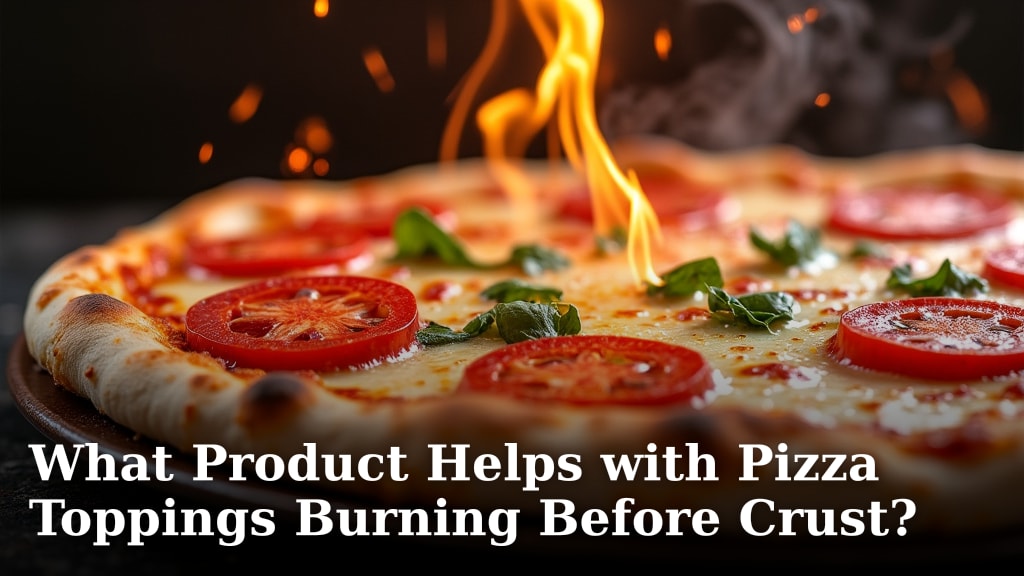
To prevent pizza toppings from burning before your crust is done, you need to manage your oven temperature and topping placement. A pizza stone or steel helps create a hotter, more even crust. Placing more delicate toppings, like fresh basil or mozzarella, towards the end of baking also prevents burning. You can also try a lower oven rack to ensure the bottom cooks properly.
It’s a common frustration when your perfectly placed pepperoni chars while the dough is still pale. The science behind it involves heat transfer. Your oven’s heat source, often at the bottom and top, cooks different parts of the pizza at different rates. Understanding this helps you achieve that ideal crispy crust with perfectly cooked toppings every time. Many pizza makers have found success with simple adjustments.
- Use a pizza stone or steel for an even crust.
- Consider your oven rack position.
- Add delicate toppings later in the bake time.
- Monitor your oven temperature closely.
Let’s walk through exactly how to solve this common pizza problem so you can enjoy delicious, evenly cooked pizza right at home. Learn how to safely preheat your pizza oven to ensure even cooking and prevent damage.
Solving the Topping Burn Before Crust Conundrum
So, you’ve got this amazing pizza idea, all the fixings laid out, ready for the oven. But then it happens – your cheese is bubbling and browning a bit too fast, or those lovely pepperoni edges are turning black, while the crust is still a bit doughy. It’s a common pizza predicament! We’ve all been there, right? The good news is, with a few smart adjustments, you can achieve that perfect balance: a golden-brown, crispy crust with perfectly cooked, delightful toppings. Let’s figure out how to get there.
Understanding Oven Heat and Your Pizza’s Journey
Your oven is a powerful tool, but it doesn’t always cook things evenly. Most home ovens have heating elements at the top and bottom. The bottom element is key for that crispy crust. The top element is what typically cooks your toppings. If the top element is too intense, or if your pizza is too close to it, your toppings can burn before the heat has enough time to properly cook the dough from the bottom up.
The Role of Heat Transfer in Pizza Perfection
Think of heat transfer like a race. The toppings are on the ‘finish line’ of the top rack, often closer to the intense top heating element. The crust is at the ‘starting line’ on the bottom rack, needing time to get thoroughly heated and crisp from the bottom element. If the ‘finish line’ gets too hot too quickly, your toppings can scorch before the ‘starting line’ even gets going.
Why Some Toppings Are More Prone to Burning
Some ingredients are just more sensitive to heat. Delicate items like fresh basil or thin slices of mozzarella can char very quickly. Even things like tomato sauce, if applied too thickly, can bubble and burn around the edges. Fattier meats, like pepperoni, can also render and crisp up intensely, sometimes to the point of burning.
Choosing the Right Baking Surface: Your Pizza’s Foundation
The surface you bake your pizza on makes a huge difference. A cold baking sheet or a flimsy pizza pan might not conduct heat effectively. This can lead to a soggy bottom crust and make it harder for the heat to reach the dough properly. This is where some specialized pizza-making tools come into play.
The Magic of Pizza Stones and Steels
A pizza stone or a pizza steel is a game-changer. These are dense, heavy surfaces that you preheat in your oven. They absorb and retain a lot of heat. When you place your pizza directly onto the hot stone or steel, it gives the crust a powerful, even blast of heat right from the start. This helps achieve that desirable crispy texture much faster.
Pizza Stone vs. Pizza Steel: What’s the Difference?
We found that both stones and steels offer excellent results. A pizza stone, usually made of ceramic or cordierite, is porous. It absorbs moisture, contributing to a crispier crust. A pizza steel, made of metal, conducts heat even more efficiently than stone. This can lead to faster cooking times and an even crispier crust. For preventing topping burn, the key is that they both provide a hotter, more consistent base for your pizza, cooking the crust quickly.
How to Use Them Effectively
The trick is to preheat your stone or steel for a good amount of time. Many experts recommend at least 30-60 minutes at your oven’s highest temperature (often 500°F or more). Place your pizza onto a peel dusted with cornmeal or flour, then slide it directly onto the preheated stone or steel in the oven. This direct contact ensures maximum heat transfer to the crust.
Alternative Surfaces: Baking Sheets and Cast Iron
If you don’t have a stone or steel, don’t worry! You can still make great pizza. Using a heavy-duty baking sheet, preferably inverted (upside down), can offer a more stable surface than a flimsy one. Preheat the baking sheet, too, if possible, though it won’t retain heat as well as stone or steel. A preheated cast iron skillet also works wonders for individual pizzas, providing fantastic heat retention and an even bake.
Strategic Topping Placement and Timing
Even with the best baking surface, how and when you add your toppings matters. Think about the cooking time each ingredient needs. Some need to cook through, while others just need to warm up or melt.
The “Less is More” Topping Philosophy
Overloading your pizza is a common mistake. Too many toppings can trap moisture, leading to a soggy crust. It also creates a dense layer that can cook unevenly. Try to keep your toppings relatively thin and spread them out. This allows heat to circulate better, ensuring everything cooks properly.
When to Add Delicate Toppings
This is where timing becomes your best friend. Ingredients that burn easily should be added later in the baking process. Fresh basil, for instance, should go on after the pizza comes out of the oven or during the last minute or two of baking. Softer cheeses, like fresh mozzarella, can also benefit from being added towards the end to prevent excessive browning. We found that adding these items in the final few minutes prevents them from becoming dry or burnt.
Grouping Toppings by Heat Tolerance
Consider grouping your toppings. Meats that need to cook through, like sausage or meatballs, can go on earlier. Vegetables that soften and cook well, like bell peppers or onions, can also be added at the start. But items like cherry tomatoes, which can burst and burn, or pre-cooked items you just want to heat through, might do better a little later in the bake.
Mastering Oven Temperature and Rack Position
Your oven’s temperature and the rack you choose are powerful tools. They directly influence how heat reaches your pizza from both the top and bottom elements.
Finding the Sweet Spot for Your Oven
Most pizzas bake best at high temperatures, often between 450°F and 550°F. However, every oven is different. Some run hotter or cooler than their dial suggests. Using an oven thermometer is a smart move. It tells you the actual temperature inside, helping you adjust your dial accordingly. If your toppings are burning, you might need to slightly lower the temperature, but not so much that the crust won’t cook. It’s a balance.
The Impact of Oven Rack Position
Where you place your pizza in the oven is critical. For that perfect crust, you want the bottom of the pizza closest to the main heat source, which is usually the bottom element. This typically means using the lower-middle or bottom rack. If your oven has a very strong top broiler element, putting the pizza too high can cause rapid topping burn. Experimenting with different rack positions is key.
Experimenting with Rack Positions
If your crust is pale and toppings are burnt, try moving your pizza down one rack position. If your crust is cooking well but toppings are just not browning enough, you might move it up slightly. However, the primary goal for preventing topping burn is to ensure the crust cooks thoroughly without the top getting too much direct heat too soon.
Using the Broiler Strategically (with caution!)
Some people like to use the broiler for the last minute or two to get extra browning on their cheese. This can be effective, but it’s a high-risk, high-reward move! If your toppings are already showing signs of burning, avoid the broiler altogether. If you do use it, watch your pizza like a hawk. It only takes seconds for things to go from golden to charcoal.
A Quick Checklist for Pizza Perfection
Here’s a handy checklist to keep in mind for your next pizza adventure:
- Preheat your oven thoroughly, especially if using a stone or steel.
- Place your pizza on the lower-middle or bottom rack.
- Use a pizza stone or steel for a better crust bake.
- Don’t overload your pizza with too many toppings.
- Add delicate toppings like fresh herbs in the last few minutes.
- Consider an oven thermometer to check your oven’s true temperature.
By understanding how heat works in your oven and making these simple adjustments, you can move past the burnt-topping-pale-crust problem. You’ll be well on your way to homemade pizza perfection, with every bite tasting just right.
Conclusion
You’ve now got the tools to tackle that frustrating pizza problem! We’ve seen how managing your oven’s heat, using the right baking surface like a pizza stone or steel, and strategically timing your toppings can make all the difference. Remember, preheating is key, and placing your pizza on the lower oven rack helps ensure that crust gets perfectly cooked. Don’t be afraid to experiment with different rack positions and topping timing.
Your next homemade pizza is your chance to put these tips into practice. Take a deep breath, preheat that oven, and aim for that perfect balance of crispy crust and delicious, evenly cooked toppings. You’ve got this!
Frequently Asked Questions
What’s the best way to preheat a pizza stone or steel?
You’ll want to preheat your pizza stone or steel in the oven for at least 30 to 60 minutes. Place it on a lower rack and let your oven reach its highest temperature, typically 500°F or more. This ensures it’s thoroughly heated to give your crust a powerful, even start.
Can I prevent toppings from burning without a pizza stone or steel?
Yes, you absolutely can! While stones and steels help immensely, you can still achieve great results with a sturdy, preheated baking sheet or a cast iron skillet. Focus on mastering your oven temperature, rack position, and topping timing, which are critical regardless of your baking surface.
How do I know if my oven temperature is accurate?
The best way to know your oven’s true temperature is by using an oven thermometer. Place it inside your oven and compare its reading to the temperature your oven dial is set to. This will help you adjust your baking based on your oven’s actual heat output.
Is it better to put my pizza on the bottom or middle rack?
For preventing toppings from burning before the crust cooks, placing your pizza on the lower-middle or bottom rack is usually best. This position ensures the crust gets direct heat from the bottom element without the toppings being too close to the top heat source.
How can I make sure my pizza doesn’t get soggy while the toppings cook?
To avoid a soggy pizza, don’t overload it with too many toppings, as this can trap moisture. Ensure you’re using a hot, preheated baking surface like a stone or steel to cook the crust quickly. Also, consider adding very wet ingredients or delicate toppings later in the baking process.
