
What Is the Safest Way to Choose Wood for a Pizza Oven?

The safest way to choose wood for your pizza oven involves selecting dense hardwoods that burn hot and clean. Look for woods like oak, maple, or fruitwoods, which produce minimal creosote and offer consistent heat for perfect pizzas. Avoid softwoods, as they can burn too quickly and release undesirable smoke.
When building or buying a pizza oven, the type of wood you feed it is key. Using the wrong kind of fuel can lead to uneven cooking, excessive smoke, and even damage to your oven over time. We’ve researched what works best, so you can enjoy delicious, wood-fired pies without the hassle.
- Choose dense hardwoods like oak, maple, or cherry.
- Avoid softwoods (pine, fir) that burn too fast.
- Ensure wood is seasoned (dried) for at least 6-12 months.
- Burn clean to protect your oven and ensure great pizza flavor.
Let’s walk through exactly what to look for and why it matters for your pizza oven. Let’s walk through the benefits of wood chunks or pellets for your oven.
Picking the Right Wood for Your Pizza Oven: A Safety Guide
Choosing the correct wood for your pizza oven is surprisingly important. It affects how your oven heats and, yes, the flavor of your pizza. We’ve researched what works best, so you can enjoy delicious, wood-fired pies without the hassle. This guide will help you select the safest and most effective fuel for your oven.
Understanding Wood Types and Your Oven’s Needs
Your pizza oven works like a high-temperature furnace. It needs fuel that burns hot and consistently. This means the kind of wood you choose directly impacts your cooking experience. Think of it like picking the right engine oil for your car. The wrong type can cause problems.
Hardwoods vs. Softwoods: The Big Difference
The main distinction comes down to hardwoods and softwoods. This isn’t about how hard the wood is to cut. It’s about how the tree grows and its density. This density affects how it burns and what it releases into your oven.
The Power of Dense Hardwoods
Dense hardwoods are generally the best choice for pizza ovens. They are heavier and have a tighter grain. This allows them to burn longer and hotter. This is exactly what you want for achieving the high temperatures needed for authentic pizza. Good hardwoods include oak, maple, and fruitwoods like apple or cherry. These woods create a good bed of coals. This provides even, sustained heat.
Why Softwoods Are a No-Go
Softwoods, like pine, fir, and cedar, are less ideal. They have a looser grain and burn much faster. They tend to flare up and produce a lot of smoke. This smoke can make your pizza taste bitter. Softwoods also contain more pitch and resin. This can build up in your oven as creosote. Creosote is sticky and flammable. It’s not good for your oven’s longevity or your pizza’s flavor.
The Importance of Seasoned Wood (Drying)
Even if you pick the right type of wood, it needs to be properly dried. This process is called seasoning. Freshly cut wood is full of moisture. It’s like trying to cook with a wet log. Wet wood smolders, smokes heavily, and doesn’t produce much heat. It can also make your oven inefficient.
How Long Does Wood Need to Season?
Wood should ideally be seasoned for at least 6 to 12 months. Some hardwoods might benefit from even longer. You can tell if wood is seasoned by its weight. It will feel much lighter than when it was green. It will also often have cracks at the ends. The bark might be loose. And, of course, it should make a clear, sharp ‘clack’ sound when you hit two pieces together, not a dull ‘thud’.
The Problems with Unseasoned Wood
Burning unseasoned wood is a recipe for a smoky, disappointing pizza. The excess moisture has to evaporate before the wood can burn efficiently. This process uses up a lot of the oven’s heat. It leads to lower temperatures and longer cooking times. Also, that excessive smoke can impart an unpleasant taste to your food. It’s like adding too much pepper to a dish. You can’t take it back.
What to Look For When Buying or Storing Pizza Oven Wood
When you’re ready to stock up, there are a few key things to check. These checks help ensure you’re getting the best fuel for your pizza-making adventures.
Visual Inspection: What to See
Before you buy, take a good look at the wood. Are the pieces mostly uniform in size? This helps with consistent burning. Are there signs of pests or mold? If so, steer clear. You want clean wood. Look for that weathered, cracked appearance on the ends that signals it’s seasoned. If the wood is still covered in green bark or looks very fresh, it likely hasn’t seasoned properly.
Smell Test: What to Note
Does the wood smell fresh and woody? That’s good. Does it smell musty, moldy, or chemically? That’s a red flag. You don’t want any weird odors. They could indicate rot or improper storage. The goal is a clean burn that enhances your pizza, not detracts from it.
Moisture Content: The Crucial Factor
While you can’t always test moisture content yourself when buying, you can ask the seller. Reputable firewood suppliers will know if their wood is seasoned. If you buy a moisture meter, aim for wood with a moisture content of 15-20%. Anything higher will give you trouble. Many experts, like those at university extension offices, recommend this range for optimal burning (University Extension Services).
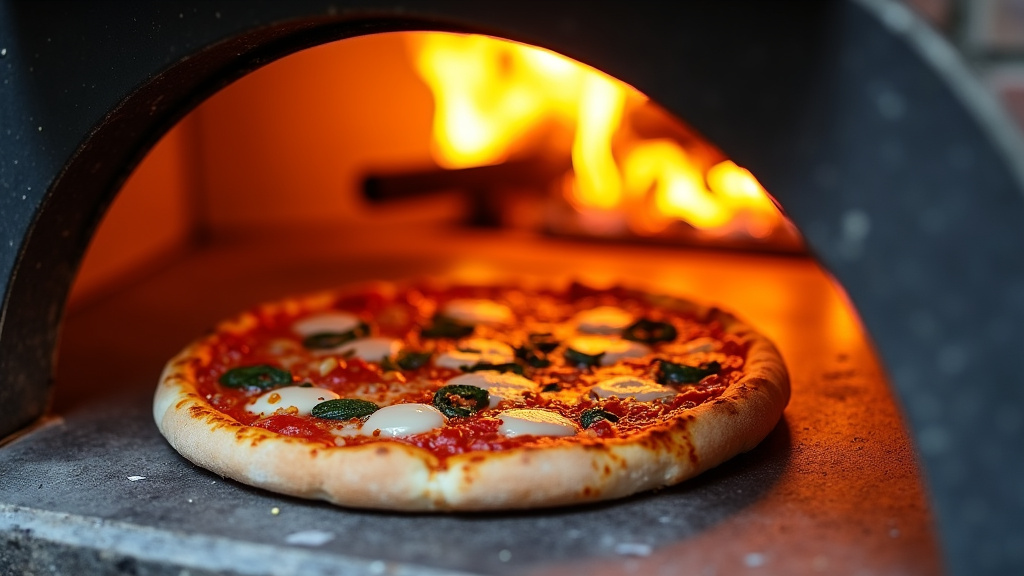
Recommended Woods for a Great Pizza Oven Experience
So, which specific woods make the cut? We’ve found that certain hardwoods consistently perform well.
Top Choices for Hot, Clean Burns
Oak: This is a classic for a reason. Oak burns hot and long. It provides a consistent heat that’s perfect for pizza ovens. It’s dense and produces good coals. It’s widely available in many regions.
Maple: Another excellent dense
Conclusion
Choosing the right wood for your pizza oven boils down to a few simple principles. You want dense hardwoods like oak or maple that burn hot and long. Always ensure your wood is well-seasoned, ideally for 6-12 months, to minimize smoke and maximize heat. By focusing on clean-burning, seasoned hardwoods, you’ll achieve perfect pizza crusts and protect your oven. Your next step? Look for local suppliers offering these recommended woods and start planning your next wood-fired pizza night!
Frequently Asked Questions
Can I use fruitwood for my pizza oven?
Yes, fruitwoods like apple and cherry are excellent choices for pizza ovens. They are dense hardwoods that burn hot and long, providing a consistent heat. Plus, they often impart a subtle, pleasant aroma that can enhance your pizza’s flavor.
Is it safe to burn pine in my pizza oven?
It’s best to avoid burning pine or other softwoods in your pizza oven. They burn too quickly, produce excessive smoke, and contain resins that can create creosote buildup. This creosote can be a fire hazard and negatively affect your pizza’s taste.
How can I tell if my firewood is properly seasoned?
Seasoned wood feels lighter and makes a clear ‘clack’ sound when two pieces are struck together. You may also see cracks at the ends of the logs and the bark might be loose. If it feels heavy and makes a dull ‘thud’, it likely still contains too much moisture.
What happens if I burn unseasoned wood?
Burning unseasoned wood results in a smoky, inefficient fire. The excess moisture uses up heat, leading to lower oven temperatures and longer cooking times. The smoke can also impart an unpleasant, bitter flavor to your pizza.
Where is the best place to buy wood for my pizza oven?
Look for local firewood suppliers who specialize in kiln-dried or seasoned hardwood. You can also check with local nurseries or garden centers, as they sometimes carry quality wood for cooking. Always ask about the type of wood and how long it has been seasoned.
