
What Is the Safest Way to Build a Pizza Oven Station?

The safest way to build a pizza oven station involves careful planning and construction, focusing on Our guide to the safest way to preheat a pizza oven will help you get started.fire safety and structural integrity. You’ll want to ensure adequate clearance from flammable materials and use non-combustible building components. Proper insulation is key to protecting your home and ensuring efficient heat retention within the oven itself.
When planning your pizza oven station, think about local building codes and the specific materials you’ll be using. Many homeowners find that a well-built base, often made from concrete blocks or bricks, provides a stable and fire-resistant foundation. Good ventilation is also a critical, often overlooked, safety feature for any outdoor cooking setup.
- Plan for fire safety and structural stability first.
- Use non-combustible materials for your station.
- Ensure proper insulation around the oven.
- Check local building codes before starting.
- Ventilation is crucial for safe operation.
Let’s walk through how to build a pizza oven station that’s both safe and fantastic for your backyard culinary adventures. You’ll also want to consider a wooden pizza peel for safe handling.
You’ve got this amazing idea: a backyard pizza oven! But before you start dreaming of perfectly charred crusts, let’s talk about making sure your pizza oven station is built safely. It’s not just about keeping your house from catching fire; it’s about making sure your oven works its best and lasts a long time. Safety is the secret ingredient for any good build.
Building a Secure Pizza Oven Station Base
The foundation of your pizza oven station is super important. You need a base that’s strong enough to hold the weight of your oven and any surrounding structures. It also needs to be completely fireproof. Think of it like building the foundation for your house – it needs to be rock solid and safe from the start.
Choosing the Right Materials for Your Base
For safety, you’ll want to stick to non-combustible materials. This means anything that won’t burn or melt when exposed to high heat. Common and excellent choices include concrete blocks, poured concrete, or fire bricks. You might see some DIY ideas using wood, but we strongly advise against it for the base supporting the oven itself. Flammable materials are a definite no-go here.
Concrete blocks are a popular choice because they’re relatively inexpensive and easy to work with. You can stack them to create a sturdy platform. Poured concrete offers a very solid and seamless base, but it requires more planning and potentially professional help for a large enough pour. Fire bricks are fantastic for lining the inside of the oven, but they can also be used for the base if you want an extra layer of heat protection.
Ensuring Structural Integrity
Your pizza oven, especially the dome types, can be quite heavy. You need to ensure your base can support this weight without cracking or shifting. For a concrete block base, ensure the blocks are laid on a level, compacted surface. You might even want to reinforce the base with rebar, especially if you’re building a larger oven or a taller station. A stable base prevents accidents and ensures your oven remains level for optimal cooking.
Considering Ventilation and Airflow
Even though we’re talking about the base, ventilation is part of its safety. Your oven needs air to breathe. Most wood-fired ovens have a specific design that pulls air in from the front opening and exhausts smoke through a chimney or vent. Ensure your base design doesn’t block these essential airflow paths. Blocked airflow can lead to poor performance and, more importantly, a smoky, unsafe cooking environment.
Protecting Against Heat and Fire Hazards
This is where your pizza oven station really shines in terms of safety. High temperatures are the name of the game with pizza ovens, so protecting everything around them is critical. We need to create barriers and use materials that can handle the intense heat.
The Importance of Proper Insulation
Insulation is your best friend for both safety and oven performance. A well-insulated oven retains heat better, meaning you’ll use less fuel and your oven will reach higher temperatures more quickly. More importantly, good insulation prevents heat from radiating outwards to surrounding structures. Think of it like wearing a thick winter coat; it keeps the warmth in and the cold out. For a pizza oven, insulation keeps the intense heat inside the oven dome and away from your station’s base and any nearby walls.
Types of Insulation Materials
Several materials work well for pizza oven insulation. Ceramic fiber blankets are a top choice. They’re lightweight, flexible, and incredibly effective at trapping heat. You’ll often find these used in industrial furnaces and kilns, which gives you an idea of their heat resistance. Calcium silicate boards are another excellent option. They’re rigid and provide great thermal resistance, making them ideal for insulating the base or sides of the oven structure.
Many experts recommend a layered approach to insulation. This might involve a ceramic blanket wrapped around the oven dome, followed by a layer of insulating concrete or vermiculite concrete. This combination offers robust protection and ensures maximum heat retention where you want it.
Clearance from Combustible Materials
This is arguably the most critical safety rule. You absolutely must maintain a safe distance between your hot oven and anything that can catch fire. This includes your house, fences, wooden decks, overhanging trees, and even dry landscaping. Check the manufacturer’s recommendations for your specific oven model, as these guidelines are based on testing and safety standards.
As a general rule of thumb, many experts suggest at least a 1-foot clearance from the oven to any non-combustible surface, and significantly more—often 3 to 10 feet—from any combustible materials. This space allows heat to dissipate safely and reduces the risk of accidental ignition. If your oven is located near a structure, consider installing a heat shield made of non-combustible material as an extra layer of protection.
Safe Hearth and Oven Floor Construction
The floor of your pizza oven, where the magic happens, also needs careful construction. It needs to be flat, stable, and able to withstand direct, intense heat. Fire bricks are the go-to material for this. They are designed to handle thermal shock and high temperatures without cracking.
Ensure the fire bricks are laid tightly together without large gaps. Some builders recommend using a thin layer of refractory mortar between the bricks, while others prefer them laid dry. Whichever method you choose, make sure the surface is perfectly level. An uneven hearth can make cooking difficult and potentially lead to pizzas sliding off.
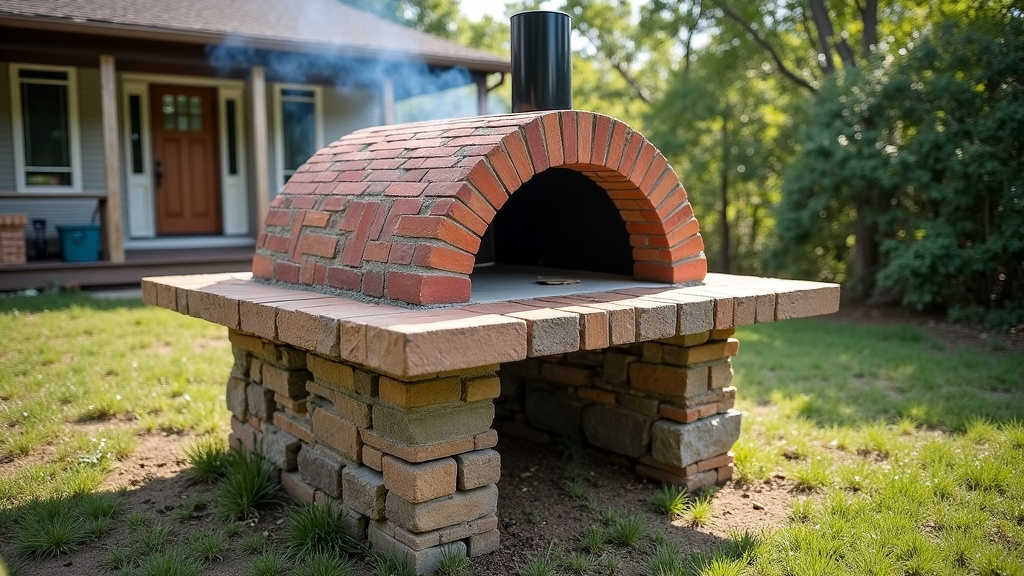
Integrating Safety into Your Design and Location
Where you put your pizza oven station and how you design it from the start can prevent many potential problems down the line. Thinking about these aspects early saves you headaches later.
Choosing the Right Location
Selecting the perfect spot for your pizza oven station is more than just picking a pretty view. Safety should be the top priority. Avoid placing it directly under eaves or near windows that open outwards. Ensure there’s plenty of open space around it, free from flammable materials like dry leaves, bushes, or stored fuel. Also, consider prevailing winds; you don’t want smoke constantly blowing into your home or your neighbor’s yard.
Local building codes also play a role here. Some areas have specific regulations about the placement of outdoor cooking appliances, especially those that reach high temperatures. It’s wise to check with your local municipality before you commit to a location. This simple step can save you from having
Conclusion
You’re now equipped to build a pizza oven station that’s both safe and functional. Remember, a strong, non-combustible base is your first line of defense. Proper insulation and generous clearance from flammable materials are non-negotiable for preventing heat-related accidents. Always prioritize checking local building codes. With careful planning and the right materials, your pizza oven station will be a source of delicious memories for years to come. Your next step is to finalize your design based on these safety principles and gather your chosen fire-resistant materials.
Frequently Asked Questions
How far away should my pizza oven be from my house?
You must maintain a safe distance between your hot oven and any combustible materials, including your house. Manufacturers often recommend a minimum of 1 foot from non-combustible surfaces and a much greater distance, typically 3 to 10 feet, from anything flammable. Always check your specific oven’s manual for these guidelines.
Can I use wood for the base of my pizza oven station?
No, it is strongly advised against using wood for the base that directly supports the oven. Wood is a flammable material and can catch fire from the intense heat. Always opt for non-combustible materials like concrete blocks, poured concrete, or fire bricks for the oven’s foundation.
What kind of insulation is best for a pizza oven?
Ceramic fiber blankets are highly recommended for pizza oven insulation due to their excellent heat resistance and insulating properties. Calcium silicate boards are another effective, rigid option. Many builders use a combination of these materials, sometimes with a layer of insulating concrete, for maximum heat retention and safety.
Do I need ventilation for a pizza oven station, even if it’s outdoors?
Yes, ventilation is essential for safe operation. Your pizza oven needs airflow to function correctly and to vent smoke and combustion gases away. Ensure your station’s design doesn’t obstruct the oven’s natural airflow path, which usually involves an opening at the front and a chimney or vent.
What should I do if my local building codes are unclear about pizza ovens?
If your local building codes don’t specifically address pizza ovens, it’s best to err on the side of caution. Contact your local building department or fire marshal’s office for clarification. They can provide guidance on general safety requirements for outdoor cooking structures that will ensure your build meets safety standards.
