
What Do You Need to Stretch Pizza Dough without Tearing?

You can stretch pizza dough without tearing by using a combination of gentle handling and proper preparation. The key is to let the dough rest sufficiently between stretching attempts. This allows the gluten to relax, making it more pliable and less likely to rip.
When pizza dough tears, it’s usually because the gluten strands are still too tight. This often happens when the dough is too cold or hasn’t rested long enough after kneading. Understanding these two factors helps you achieve that perfect, thin crust without frustration.
- Let dough rest 10-15 minutes between stretching.
- Work with dough at room temperature.
- Use the heel of your hand to gently press outwards.
- Avoid using a rolling pin, which can toughen dough.
- Be patient! It takes practice.
Let’s walk through exactly what you need to do to stretch your pizza dough like a pro, ensuring a tear-free experience every time.
Getting Your Dough Ready for a Tear-Free Stretch
Stretching pizza dough without tearing might seem like a magician’s trick. But it’s really about understanding a few key principles. The goal is to make your dough super pliable. This means you need to prepare it correctly before you even think about shaping it. What do you need? Patience and a few simple steps.
Temperature is Your Friend
One of the biggest enemies of stretchy dough is cold. When dough is cold, the gluten strands are tight and brittle. They haven’t had a chance to relax. Trying to stretch them then is like trying to unbend a frozen wire. You’ll just snap it.
Experts like those at King Arthur Baking recommend letting your dough come to room temperature. This is usually about 68-72°F (20-22°C). This might take an hour or two, depending on how cold your kitchen is. Resist the urge to rush this. A cold dough will fight you every step of the way.
The Magic of Resting
Even after kneading, dough needs time to rest. This rest period, often called proofing or fermentation, lets the yeast do its work. It also allows the gluten network to relax. Think of it like giving your dough a spa day. It needs to chill out and unwind.
We found that a dough that has just come out of the fridge needs at least an hour to warm up and relax at room temperature. If you’ve already kneaded and shaped it into a ball, let it sit for about 10-15 minutes before you start stretching. This short break is often enough to make a big difference.
Don’t Be Afraid to Let It Be
Sometimes, you’ll start stretching, and the dough will resist. It springs back, or feels tight. What’s the move? Put it back! Cover your dough ball loosely with plastic wrap or a clean kitchen towel. Let it rest for another 10-15 minutes. This allows the gluten to fully relax. Then, you can try stretching again.
This back-and-forth is perfectly normal. Many pizza makers, from home cooks to professionals, use this technique. It’s not a sign of failure; it’s a smart strategy. It shows you’re listening to what the dough is telling you. It’s saying, “I’m not ready yet!”
Your Hands Are Your Best Tools
When it comes to shaping pizza dough, your hands are often better than any tool. Specifically, a rolling pin can be detrimental to achieving a light and airy crust. Rolling pins tend to push out all the lovely air bubbles you worked hard to create. They also compress the dough, making it dense.
Gentle Pressure is Key
Forget the rolling pin. Instead, you want to use the heel of your hand. Start by gently pressing down on the center of the dough ball. Work your way outwards in a circular motion. Leave about an inch or so around the edge untouched. This untouched edge will become your crust.
As you press, you’re essentially guiding the dough to spread. You’re not forcing it. Think of it like gently coaxing a shy friend out of their shell. You’re encouraging it to expand. The dough should start to flatten and widen. If it starts to resist, stop and let it rest.
The Gravity Assist Technique
Once you have a decent base formed with your hands, you can use gravity to help. Lift the dough gently. Drape it over the backs of your knuckles. Rotate the dough, letting gravity pull it down and outwards. This works best with a dough that’s already somewhat relaxed.
This method requires a bit of practice. Don’t worry if you don’t get it perfect the first time. The goal here is to let gravity do the stretching for you. Keep the motion gentle and consistent. You’re looking for an even thickness across the pizza base. We found that this technique is excellent for creating a thin, round pizza.
Surface Matters Too
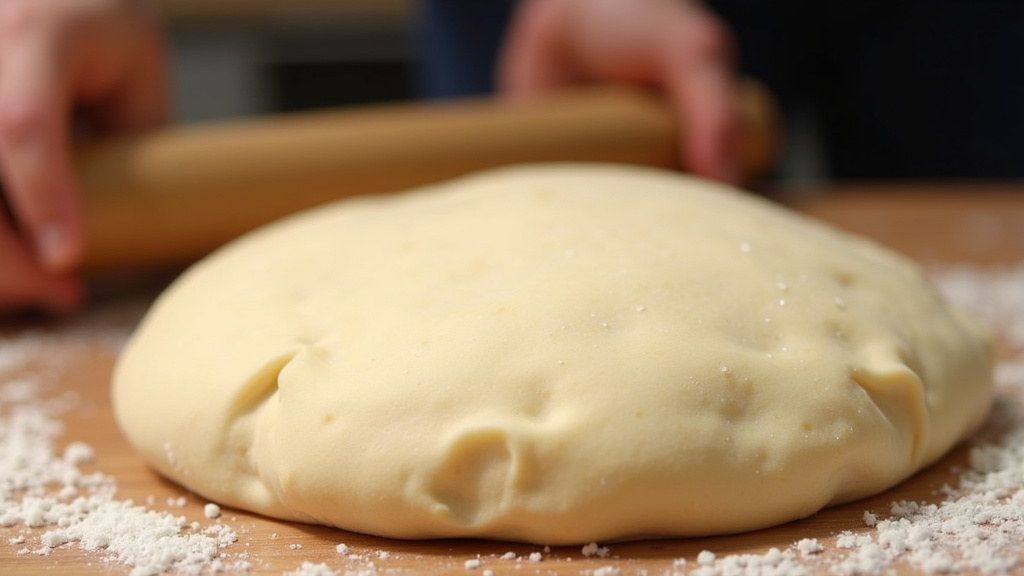
The surface you work on can also play a role. A slightly floured surface is ideal. Too much flour can make the dough dry and prone to tearing. Too little flour, and the dough might stick, making it difficult to stretch evenly.
We found a light dusting of flour, or even semolina flour for a bit of texture, works best. You want just enough to prevent sticking without drying out the dough. A marble countertop or a wooden pizza peel are great surfaces to work on. They provide a nice, smooth area for stretching. A wooden pizza peel can be a helpful tool for transferring your pizza.
Common Pitfalls and How to Avoid Them
Even with the best intentions, pizza dough can sometimes fight back. Understanding common mistakes can help you avoid them. This is where experience and a little know-how really pay off.
The Dreaded Hole
So, you’ve got a small tear or a hole appears. Don’t panic! This is a very common occurrence. The key is to act quickly and gently. Pinch the edges of the hole together. You can use your fingertips to carefully seal it. Think of it like patching a small leak.
If the hole is larger, you might need to gently stretch the surrounding dough to cover it. Sometimes, you can just gently press the dough back into shape. Remember, a perfectly round pizza is not the only goal. Deliciousness is the goal! A small imperfection won’t affect the taste.
The Rolling Pin Temptation
We’ve mentioned this before, but it bears repeating. The temptation to use a rolling pin is strong, especially if you’re used to making pie crusts. However, pizza dough is different. As mentioned, rolling pins deflate the dough. They can make your crust tough. You’re fighting against the gluten structure.
If you’re really struggling with hand-stretching, try using your fingertips to flatten the dough. You can also use your palms. The goal is to use gentle, consistent pressure. Research by food scientists suggests that mechanical manipulation like rolling can alter gluten structure negatively. We want to preserve that structure for a good chew.
Too Much Too Soon
Impatiently trying to stretch the dough too thin, too fast, is another common mistake. The dough needs time to relax. If you try to force it before it’s ready, you’ll end up with tears. This is where your dough’s temperature and rest time are critical.
A helpful checklist to ensure your dough is ready:
- Is your dough at room temperature?
- Has it rested for at least 10-15 minutes after being handled?
- Does it feel relaxed and pliable, not tight?
- When you gently poke it, does it spring back slowly?
- Are you using gentle, consistent pressure?
A Quick Comparison of Stretching Methods
Let’s look at how different approaches stack up for stretching pizza dough. This can help you choose the best method for your situation. We found that hand-stretching yields the best results for a classic pizza crust.
| Method | Pros | Cons | Best For |
|---|---|---|---|
| Hand Stretching (Heel of hand, knuckles) | Preserves air bubbles, creates a tender crust, good control. | Requires practice, can be slow for beginners. | Neapolitan, New York-style, thin crusts. |
| Rolling Pin | Fast, easy for beginners, creates very uniform thickness. | Deflates dough, can create a tough/dense crust, risks tearing if not careful. | Thick pan pizzas, some cracker-style crusts. |
| Fingertips/Palms | Gentle, good for thicker doughs or when hands are tired. | Slower than rolling pin, might not get as thin as pure hand-stretching. | Home cooks, thicker crusts, gentle shaping. |
As you can see, while the rolling pin is quick, it sacrifices texture. For most home bakers aiming for that perfect pizza, hand-stretching is the way to go. It respects the dough’s natural structure.
Conclusion
You’ve learned that stretching pizza dough without tearing is entirely achievable. It boils down to respecting your dough’s gluten structure. By ensuring your dough is at room temperature and allowing it adequate rest time, you make it wonderfully pliable. Gentle, patient hand movements, like using the heel of your hand, are your best allies. Remember, it’s okay if your dough resists; just give it another short break. With a little practice and these simple techniques, you’re well on your way to crafting perfect, tear-free pizza bases every time. Now, go forth and stretch!
Frequently Asked Questions
What’s the best way to tell if my pizza dough is ready to be stretched?
Your dough is ready when it feels relaxed and pliable, not tight and springy. Gently poke it; it should spring back slowly. If it snaps back immediately, it needs more rest time. Ensure it’s at room temperature, too.
Can I use flour to prevent my pizza dough from tearing?
Yes, a lightly floured surface is helpful. Use just enough flour to prevent sticking without making the dough dry. Too much flour can actually make it prone to tearing. Semolina flour also adds a nice texture.
What if my pizza dough tears while I’m stretching it?
Don’t panic! Pinch the edges of the tear together gently with your fingertips to seal it. For larger holes, you might be able to carefully stretch the surrounding dough to cover the gap. A small imperfection won’t ruin your pizza.
Why does my pizza dough keep shrinking back when I try to stretch it?
This means the gluten is still too tight. Your dough likely needs more rest time. Cover it loosely and let it sit for another 10-15 minutes. This allows the gluten strands to relax, making it easier to stretch.
Is it ever okay to use a rolling pin on pizza dough?
While we recommend hand-stretching for the best texture, a rolling pin can be used for certain styles, like thick pan pizzas. However, it can deflate the dough and make the crust tough. If you must use one, do so gently and only if hand-stretching isn’t working for your specific dough.
