
What Causes Pizza Oven Flame Going Out?
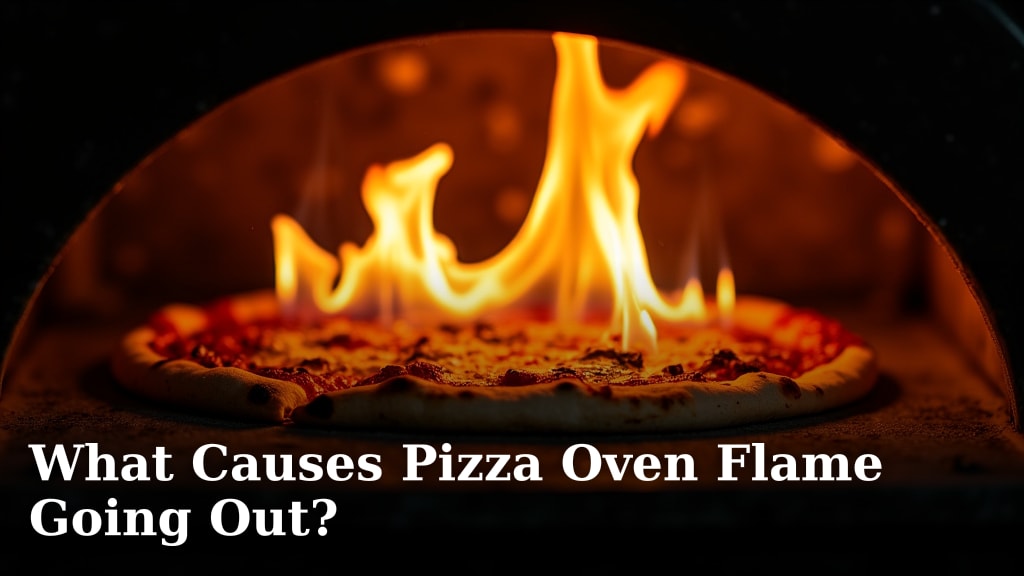
Your pizza oven flame might be going out for a few key reasons. Most commonly, it’s due to a lack of airflow or an improper fuel-to-air ratio. If your flame is sputtering or dying completely, don’t worry, we can help you get it roaring again.
Understanding these basic principles is essential for a consistently hot pizza oven. When the flame isn’t right, your pizza won’t cook correctly. We’ve researched common issues and found that ensuring the right conditions are met is usually the fix you need.
- Lack of proper airflow is a common culprit.
- Too much or too little fuel can smother the flame.
- Wet wood or fuel can cause a weak, dying fire.
- Incorrect oven door positioning impacts ventilation.
Let’s walk through exactly why your pizza oven flame might be going out and how to fix it.
Troubleshooting Your Pizza Oven Flame: What’s Causing It to Fizzle?
It’s a frustrating moment, isn’t it? You’ve got your dough ready, your toppings piled high, and you’re ready to bake that perfect Neapolitan. But then, your pizza oven flame decides to take a nap. If your fire is sputtering, shrinking, or just plain dying out, there’s usually a good reason. Let’s figure out what’s going on and get that flame roaring again so you can get back to pizza perfection.
The Foundation of Fire: Understanding Airflow
Fire needs three things to survive: fuel, heat, and oxygen. For your pizza oven, that oxygen comes in the form of airflow. Think of it like breathing. If you can’t get enough air in, you’ll start to feel weak. Your pizza oven flame is no different.
Why Airflow Matters So Much
A consistent, strong flame relies on a steady supply of oxygen. This oxygen feeds the combustion process, allowing the fuel to burn efficiently and produce the high heat needed for baking pizza. Without enough air, the fuel can’t burn properly, leading to a weak flame or, worse, a completely extinguished fire.
Common Airflow Obstructions
Several things can block the vital airflow your oven needs:
- Blocked Chimney or Vent: Soot, creosote buildup, or even a stray bird’s nest can obstruct your chimney. This is a major culprit for poor draft.
- Oven Door Positioning: Leaving the oven door completely closed while trying to build or maintain a fire can starve it of oxygen.
- Oven Design: Some oven designs naturally have better airflow than others. If your oven’s vents are too small or poorly placed, it might struggle.
- Surrounding Obstructions: Make sure nothing is blocking the air intake vents on your oven.
How to Improve Airflow
First, check your chimney. A regular cleaning is essential. Many experts recommend cleaning it at least once a year, or more often if you use your oven frequently (Chimney Safety Institute of America). Next, experiment with your oven door. For many wood-fired ovens, a slightly ajar door can improve the draft, especially during the initial firing. You want to find that sweet spot where you get good air in without losing too much heat.
The Delicate Dance: Fuel and Air Ratio
Getting the right mix of fuel and air is like conducting an orchestra. Too much of one, and the harmony is lost. For your pizza oven, this means ensuring you have the right amount of fuel (wood, gas, etc.) and that it’s mixing with the right amount of air to burn effectively.
Too Much Fuel, Not Enough Air: Smothering the Flame
This is a classic mistake. If you load your oven with too much wood or gas at once, especially when the oven isn’t hot enough to burn it efficiently, you can create a smoky, dying fire. The excess fuel consumes the available oxygen quickly, leaving little to sustain a robust flame. It’s like trying to breathe in a room packed with too many people; the air gets stale fast.
We found that beginners often make this mistake, thinking more fuel equals a hotter oven, faster. But it’s the opposite when the airflow isn’t sufficient to burn it all. You end up with a weak, sputtering flame that’s struggling to keep going.
Too Little Fuel: The Flame Just Can’t Get Started
On the other hand, if you don’t have enough fuel, the flame simply won’t have the energy to ignite properly or sustain itself. You’ll get a tiny, weak flame that might flicker out as soon as it appears. This usually happens when you’re starting the oven or trying to maintain heat with very small pieces of wood.
Finding the “Sweet Spot”
The key is balance. Start with a moderate amount of fuel. Once the oven is hot, you’ll find that smaller additions of fuel are often enough to maintain the desired temperature. For wood-fired ovens, we found that using well-seasoned hardwood logs that are roughly the size of your forearm is a good starting point. Add them gradually as needed, ensuring each piece catches and burns well before adding more. For gas ovens, always follow the manufacturer’s instructions for the correct gas flow settings. For wood-fired ovens, using well-seasoned hardwood logs is a good starting point, as explained in our guide to gas versus wood ovens.
Fuel Quality: It’s Not Just About Quantity
The type and condition of your fuel play a massive role in how your flame behaves. Using the wrong kind of fuel or fuel that’s not properly prepared can lead to a frustratingly weak or disappearing flame.
The Enemy of Fire: Moisture
Wet or damp wood is a major enemy of a good pizza oven fire. When you try to burn wet wood, the fire’s energy is first spent evaporating the water within the wood, rather than burning the wood itself. This results in a smoky, weak flame that produces very little heat. It’s like trying to dry yourself off with a wet towel – it just doesn’t work efficiently.
Many fire safety guidelines stress the importance of using seasoned firewood. Seasoning means letting the wood dry out naturally for at least six months, ideally a year. Proper seasoning reduces the moisture content significantly, allowing the wood to burn hotter and cleaner (U.S. Forest Service).
Type of Fuel Matters
For wood-fired ovens, hardwood (like oak, maple, or hickory) is generally preferred over softwood (like pine or fir). Hardwoods are denser, burn longer, and produce more consistent heat. Softwoods burn faster and can create more creosote, which can clog your chimney.
If you’re using a gas pizza oven, ensure your gas supply is adequate and the connections are secure. A leak or a low gas tank can cause the flame to be weak or go out entirely.
Checking Your Fuel
Before you start, give your wood a good look and feel. Does it feel heavy? Does it have a damp smell? If so, it’s probably not seasoned properly. You can also tap two pieces of dry wood together; they should make a sharp, clear sound. Wet wood makes a dull thud.
External Factors Affecting Your Flame
Sometimes, the issue isn’t entirely within your oven’s mechanics but influenced by the environment around it.
Wind and Weather
Strong winds can sometimes blow air *too* forcefully into your oven’s combustion chamber, or they can blow smoke back down the chimney, disrupting the flame. On the flip side, very still, humid air can sometimes make it harder to get a good draft going. While you can’t control the weather, you can sometimes position your oven to offer some protection from strong gusts.
Oven Door and Chimney Configuration
We found that the way your oven door is designed and how the chimney is situated can significantly impact airflow. An oven with a very wide opening and a chimney located at the rear might struggle more with draft issues compared to an oven with a narrower opening and a front-mounted chimney. Understanding your specific oven’s design is key.
Recent Use and Heat Retention
If you’ve just finished a pizza session and are trying to start a new fire immediately, the residual heat might interfere. Similarly, if your oven hasn’t retained heat well from a previous session, it might take longer and more effort to get the fire going strong. A cold oven needs more fuel and air initially to reach its optimal temperature.
Quick Checklist: Is Your Flame Acting Up?
Here’s a quick rundown of things to check if your pizza oven flame is giving you trouble:
- Is your chimney clear of obstructions?
- Are you using well-seasoned, dry firewood?
- Is there enough fuel, but not too much, for the current heat?
- Is the oven door positioned to allow good airflow?
- Are the air intake vents on your oven unobstructed?
- Is the weather exceptionally windy or humid?
Conclusion
Getting your pizza oven flame to stay strong is all about mastering the basics. You’ve learned that consistent airflow is your flame’s best friend, and that a proper fuel-to-air ratio is key to a happy burn. Remember that the quality and dryness of your fuel matter just as much as how much you use. Don’t forget to check for simple obstructions like a blocked chimney or improper door placement.
Now, put these tips into practice! Next time you fire up your oven, pay close attention to these factors, and you’ll be enjoying perfectly cooked pizzas with a vibrant flame.
Frequently Asked Questions
Why does my pizza oven flame keep going out after I add wood?
This often happens when you add too much wood at once, especially if the oven isn’t hot enough to burn it efficiently. This can consume the available oxygen, smothering the flame. Try adding smaller pieces of wood more gradually to maintain a consistent burn.
Can a drafty area affect my pizza oven flame?
Yes, strong winds can sometimes disrupt your flame. Intense gusts can force too much air into the oven or blow smoke back down the chimney. You might find it helpful to position your oven in a spot that offers some protection from harsh winds.
My gas pizza oven flame is weak, what should I check?
For gas ovens, a weak flame usually points to an issue with the gas supply. Check if your gas tank is low or if the connections are secure and free from leaks. Ensure the gas flow settings are correct according to your oven’s manual.
How often should I clean my pizza oven chimney?
Regular cleaning is vital for good airflow. Most experts recommend cleaning your chimney at least once a year. If you use your pizza oven very frequently, you might need to clean it more often to prevent creosote buildup.
Is it okay to use slightly damp wood in my pizza oven?
No, using damp or wet wood is highly discouraged. The fire’s energy will be used to evaporate the moisture instead of burning the wood. This leads to a weak, smoky flame and very little heat, making it difficult to cook your pizzas properly.
