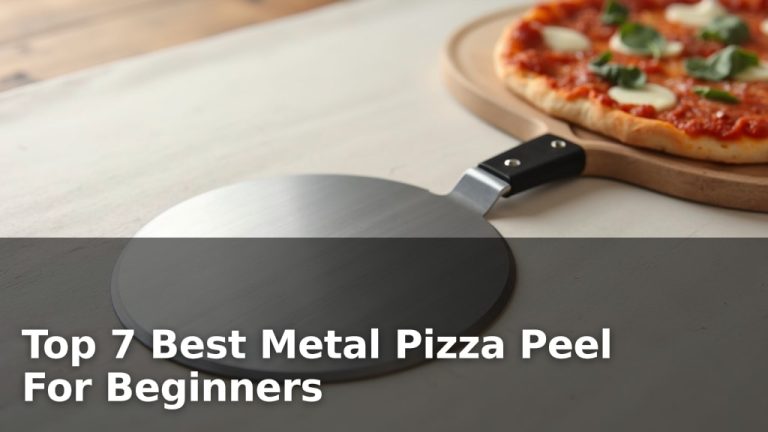
What Is the Difference Between Wooden or Metal Pizza Peel?

The main difference between a wooden or metal pizza peel lies in their best use cases and care. Wooden peels are great for launching dough due to their non-stick nature, while metal peels excel at turning and retrieving pizza from a hot oven.
Choosing the right pizza peel depends on your baking habits and oven type. You’ll want to consider things like durability, maintenance, and heat resistance. Both types have their strengths, and many home pizza makers find a combination works best for a perfect pie.
- Wooden peels are ideal for sliding raw dough into the oven.
- Metal peels are better for rotating and removing cooked pizzas.
- Each material requires different cleaning and storage methods.
- Consider your oven type when making your choice.
Let’s dive into the details to help you pick the perfect pizza peel for your kitchen adventures.
Comparing Wooden and Metal Pizza Peels
You’re ready to make amazing homemade pizza, and one of your first decisions will be about your pizza peel. It’s not just a fancy paddle; it’s a critical tool for success. We’ve found that understanding the differences between wooden and metal peels is key to choosing the right one for your baking style.
Each material offers distinct advantages and disadvantages, especially when it comes to getting that perfectly crisp crust. Let’s break down what makes each type unique so you can pick your ideal pizza partner.
Understanding Wooden Pizza Peels
Wooden pizza peels are often the traditional choice, carrying a certain rustic charm. They’re typically made from hardwoods like bamboo, birch, or maple. Their appeal goes beyond aesthetics; they have some fantastic functional qualities too.
When you’re dealing with raw dough, a wooden peel can be your best friend. Its natural properties make it less sticky than metal, which is a huge bonus when you’re trying to slide a delicate, unbaked pizza into a screaming hot oven.
The Natural Non-Stick Advantage
Why do wooden peels seem to work so well for launching? It’s all about friction and moisture absorption. The porous surface of wood can actually absorb a tiny bit of moisture from your dough, making it less likely to cling. We’ve seen many home bakers swear by their wooden peel for this exact reason.
To enhance this non-stick quality, a light dusting of flour, cornmeal, or semolina on your wooden peel creates a layer of tiny ball bearings. This allows your pizza to glide smoothly off the peel and onto your baking surface. It’s like magic, but it’s just good physics!
Caring for Your Wooden Peel
Wooden peels do require a bit more TLC than their metal counterparts. You can’t just toss them in the dishwasher. Handwashing with mild soap and warm water is essential. Avoid soaking them, as this can cause warping or cracking over time (USDA). Think of it like caring for a good cutting board.
After washing, it’s important to dry your wooden peel completely. Hanging it or propping it up allows air to circulate, preventing moisture from building up. Periodically, you might want to oil it with food-grade mineral oil to keep the wood conditioned and prevent it from drying out.
Exploring Metal Pizza Peels
Metal pizza peels are the sleek, modern alternative. They’re usually made from aluminum or stainless steel, offering a different set of benefits, especially once your pizza is cooking. You’ll often see these in professional pizzerias, and for good reason.
Their thin profile and durable construction make them excellent for maneuvering pizzas inside a hot oven. Need to turn your pizza for even cooking? A metal peel makes that task much simpler.
Strength and Thinness for Precision
One of the biggest advantages of metal peels is their thinness. This allows you to slide them under a partially cooked or fully cooked pizza with minimal disruption to the crust. This precision is especially useful if you’re using a pizza stone or steel, where space can be tight.
Metal peels are also incredibly durable. They won’t warp or crack with proper use, and they can withstand the high heat of an oven without issue. This makes them a long-lasting kitchen investment.
Maintaining Your Metal Peel
Cleaning a metal pizza peel is generally straightforward. Most metal peels are dishwasher safe, though handwashing is always an option too. You don’t have to worry about oiling or special drying techniques like you do with wood.
However, metal peels can be prone to sticking, especially with raw dough. It’s even more crucial to use a generous dusting of flour or cornmeal to prevent your pizza from becoming glued to the surface. Some bakers even use parchment paper for tricky doughs.
Key Differences at a Glance
To help you quickly compare the two, here’s a table summarizing their main characteristics. We’ve highlighted what we consider the most important points for home bakers like you.
| Feature | Wooden Pizza Peel | Metal Pizza Peel |
|---|---|---|
| Material | Wood (bamboo, maple, birch) | Aluminum, Stainless Steel |
| Best Use | Launching raw dough into the oven | Turning, retrieving cooked pizza |
| Non-Stick Qualities | Natural; less prone to sticking with flour | More prone to sticking; requires more flour |
| Durability | Can warp/crack if not cared for | Very durable; resistant to warping |
| Heat Retention | Low; doesn’t get hot quickly | High; can get very hot quickly |
| Cleaning | Handwash only; careful drying/oiling | Dishwasher safe; easy to clean |
| Thickness | Thicker edge; can be harder to slide under cooked pizza | Thin edge; easy to slide under cooked pizza |
Choosing Your Ideal Pizza Peel Setup
So, which one is right for you? Many dedicated home pizza makers actually opt for both! This “two-peel system” offers the best of both worlds. You get the easy launch of a wooden peel and the agile retrieval of a metal one.
Think about your baking routine. Do you struggle with sticking dough? A wooden peel might solve that. Are you constantly burning your knuckles trying to rotate a pizza with a thick wooden paddle? A metal peel could be your answer.
Consider Your Oven Type
Your oven plays a role too. If you have a very narrow opening, like some outdoor pizza ovens, a thin metal peel might be easier to manage. For standard home ovens, either can work well, but the length of the handle becomes more important for reaching the back.
Are you using a very high-temperature oven? Metal peels transfer heat more quickly, so you’ll want to handle them with oven mitts. Wooden peels stay cooler to the touch for longer, providing a bit more insulation.
Checklist for Picking Your Peel
To help you make an informed decision, consider these points:
- Do you often struggle with raw dough sticking to your current peel?
- How important is easy cleaning and maintenance to you?
- Do you need to frequently rotate pizzas in a hot oven?
- What is the size and opening of your oven like?
- Are you comfortable with the specific care requirements for wood?
- Does your budget allow for purchasing two peels if that’s ideal?
Ultimately, the best pizza peel is the one that makes your pizza-making experience more enjoyable and successful. Don’t be afraid to try different options. You might find that a simple change in tools makes all the difference in achieving that perfect, crispy crust you’re dreaming of.
Conclusion
Choosing between a wooden or metal pizza peel doesn’t have to be complicated. We’ve seen that wooden peels are your go-to for
Ultimately, your ideal setup depends on your baking style and oven. Many home bakers find that
Frequently Asked Questions
Can I use a wooden pizza peel to remove pizza from the oven?
While you can use a wooden peel to remove pizza, its thicker edge can make it harder to slide under a hot, crisp crust without disturbing it. Metal peels are generally thinner and much better for this task. You risk scratching your baking surface or damaging the crust with a thick wooden peel.
Why does my dough stick to my metal pizza peel?
Metal peels lack the natural moisture-absorbing properties of wood, making them more prone to dough sticking. You need a generous amount of flour, cornmeal, or semolina on the surface to create a barrier. Ensuring your dough isn’t too wet also helps prevent sticking.
How do I properly season a new wooden pizza peel?
To season a new wooden peel, you should wipe it down with food-grade mineral oil. Allow it to soak in for several hours, then wipe off any excess. This helps protect the wood, prevents drying, and can enhance its non-stick qualities over time.
Are there hybrid pizza peels that combine wood and metal?
Yes, some manufacturers offer peels that feature a metal blade with a wooden handle. This design aims to combine the thin, maneuverable qualities of a metal blade with the comfortable, cooler-to-the-touch grip of a wooden handle. They can be a good compromise for some bakers.
What size pizza peel should I buy for a standard home oven?
For most home ovens, a peel with a head between 12-14 inches wide and a handle length that allows you to reach the back of your oven comfortably is ideal. Measure your oven’s depth and door opening to ensure a good fit. You want enough reach without hitting the opposite wall.