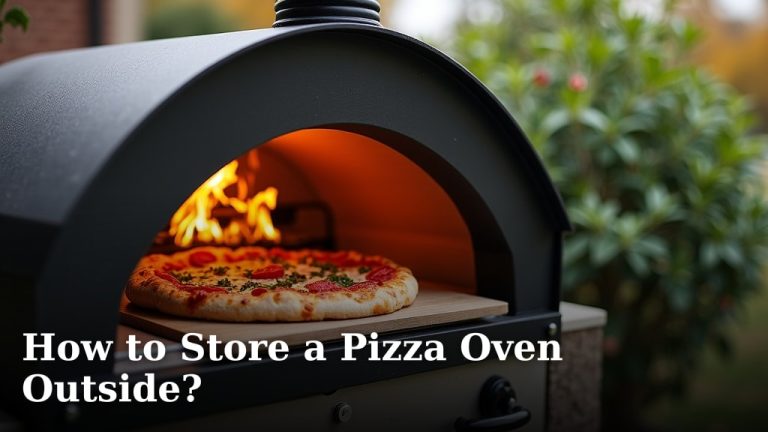
How Do You Choose Between Gas or Wood Pizza Oven?

Choosing between a gas or wood pizza oven depends on your priorities: a wood oven offers authentic smoky flavor and a traditional experience, while a gas oven provides convenience and consistent heat. There isn’t a single “better” choice; it’s about what fits your cooking style and needs best.
You’re probably wondering which one will give you the best pizza experience right in your backyard. We found that the biggest differences come down to flavor, ease of use, and setup cost. Both types can make fantastic pizza, but their journeys to that perfect slice are quite different.
- Wood-fired ovens give unique smoky tastes.
- Gas ovens offer quick heating and simple temperature control.
- Consider ongoing fuel costs for both options.
- Think about the amount of space you have available.
- Your desired level of involvement in the cooking process matters.
So, let’s look at what each type of oven brings to your pizza-making adventure, helping you decide which one is right for your home.
Choosing Your Perfect Pizza Oven: Gas Versus Wood
Deciding between a gas or wood-fired pizza oven involves looking at several factors. Your ideal choice balances flavor, convenience, setup, and ongoing costs. Let’s break down each element to help your decision.
The Flavor Factor: Taste Differences You Can Expect
The taste of your pizza is often the biggest driver for people choosing an oven. Wood-fired ovens are famous for a distinct smoky flavor. Gas ovens, while excellent, don’t typically offer this unique characteristic.
Unpacking the Wood-Fired Taste
There’s something magical about pizza cooked over an open flame. Wood-fired ovens impart a smoky, rustic flavor that many people crave. This taste comes from the wood combustion itself. As the wood burns, microscopic smoke particles penetrate your pizza dough and toppings.
This process also provides an incredible char and crispness to the crust. You get those beautiful, slightly blackened “leopard spots” that connoisseurs love. Research shows that wood smoke contains compounds that contribute to these unique flavor profiles (National Institutes of Health).
Think about a campfire smell; that’s the kind of subtle aroma you get on your pizza. It’s a taste experience that’s hard to replicate.
The Gas Oven Flavor Experience
Gas ovens, on the other hand, bring a very clean heat. Your pizza will taste like its ingredients, pure and simple. You won’t get that smoky undertone. This isn’t necessarily a bad thing!
For many, the lack of smoky flavor is preferred. Gas ovens allow the natural taste of your premium pepperoni, fresh mozzarella, and San Marzano tomatoes to shine. You still get an incredibly hot bake, leading to a wonderful, crisp crust and perfectly melted cheese.
So, the question often boils down to: do you want a smoky addition, or pure ingredient flavor? We find that both can make incredible pizza.
Ease of Use: Convenience in Your Backyard
How much effort do you want to put into your pizza night? This is where gas and wood ovens really diverge. One offers quick simplicity, the other a more hands-on, traditional approach.
Operating a Wood-Fired Oven
Using a wood-fired oven is definitely an experience. It’s not just about cooking a pizza; it’s about the process. You need to source, store, and manage the wood. Starting the fire can take 30 minutes or more.
Once lit, you’ll need to monitor the flame and glowing embers. You often push the fire to one side to create an even cooking temperature. This takes practice and a bit of artistry. Adjusting the heat means adding more wood or letting it burn down. It’s more of a living thing you interact with.
Cleaning involves scooping out ash. It’s part of the charm for many, but it’s important to know what you’re signing up for.
Operating a Gas Pizza Oven
Gas ovens are all about convenience. You simply turn a dial, just like your indoor grill. They heat up quickly, often reaching ideal cooking temperatures in 15-20 minutes. Temperature control is precise and easy; you just adjust the knob.
There’s no ash or smoke to deal with. Just turn it off when you’re done. Cleaning is minimal, usually just wiping down the surface and stone. If you value spontaneity and a quick setup, a gas oven is a strong contender. We find it’s a “set it and forget it” kind of appliance for many.
Initial Investment and Ongoing Costs
Budget plays a big role in any purchase. Let’s look at what each type of oven might cost you upfront and over time.
Start-Up Costs for Wood and Gas Ovens
The upfront cost for both types can vary widely. Portable, smaller units can be a few hundred dollars. Larger, built-in models can easily run into thousands. Generally, however, we found that a comparable quality gas oven might be slightly less expensive initially to purchase than a wood-fired one.
For built-in wood ovens, you also factor in installation costs. These can include a special pad or foundation, and sometimes even a chimney. Gas ovens often just need a propane tank or a natural gas line connection, which can be simpler.
Fueling Your Pizza Passion: Ongoing Expenses
This is where the costs tend to balance out over time. Wood-fired ovens require a steady supply of good quality, seasoned wood. While you can sometimes find free wood, buying it adds up. If you cook often, this can be a significant recurring cost. For example, a cord of firewood can range from $200-$600, depending on your region.
Gas ovens use either propane tanks or natural gas. Propane tanks need refilling or swapping. Natural gas is often more economical if you have a line run to your outdoor kitchen. Overall, many people find that gas is a more predictable and often cheaper fuel source over the long run, especially with frequent use (U.S. Department of Energy).
Space Requirements and Portability
How much room do you have? Do you want to move your oven around?
- Wood Ovens: Many traditional wood ovens are large, heavy, and intended to be permanent fixtures. You’ll need significant dedicated space in your yard or patio.
- Gas Ovens: Often more compact and lighter. Many models are designed to be portable, fitting on a tabletop or with their own stand. This gives you flexibility in where you cook.
A Quick Comparison Table
Here’s a side-by-side look at the main differences to help you visualize them.
| Feature | Wood-Fired Oven | Gas Oven |
|---|---|---|
| Flavor Profile | Distinct smoky, earthy notes | Clean, pure ingredient taste |
| Preparation Time | Longer (30-60 min to heat) | Faster (15-20 min to heat) |
| Temperature Control | Manual, requires practice | Precise and easy (dial) |
| Fuel Cost (Ongoing) | Varies, can be higher | Generally lower, more predictable |
| Effort Level | More hands-on, engaging | Less effort, simple operation |
| Cleanup | Ash removal required | Minimal wiping |
| Portability | Less portable, often fixed | Many portable options |
Your Pizza-Making Style: What Kind of Chef Are You?
Your personality and cooking habits play a big role in this decision. Are you a purist, or do you prioritize speed?
The Enthusiast and Traditionalist
If you love the ritual of building a fire, tending it, and mastering traditional techniques, a wood-fired oven might be for you. It’s an immersive experience. You become the artisan, carefully managing the flame to get that perfect crust. We found that people who enjoy backyard smoking or grilling often lean towards wood-fired ovens.
You also tend to be okay with a longer setup and cleanup. For you, the journey is as enjoyable as the destination (the pizza!).
The Quick-Fired and Convenient Cook
If you want great pizza without the fuss, a gas oven is likely your best bet. You can decide to make pizza on a whim, fire up the oven, and have a pie ready in minutes. It’s ideal for busy weeknights or impromptu gatherings.
You appreciate predictability and ease. Your focus is on the delicious end product with minimal effort involved. Many busy families find this a perfect match for their lifestyle.
Making Your Final Decision: A Checklist
To help you solidify your choice, ask yourself these questions:
- Do you prefer smoky flavor or pure ingredient taste?
- How much do you value convenience and quick setup?
- Are you willing to manage wood sourcing and ash cleanup?
- What’s your budget for both the initial purchase and ongoing fuel?
- How much space do you have available in your outdoor area?
- Do you enjoy a hands-on cooking experience or prefer simplicity?
Conclusion
Ultimately, your best pizza oven choice boils down to your personal preferences and lifestyle. If you crave that unique smoky flavor and enjoy a hands-on experience, a wood-fired oven will bring you immense satisfaction. It’s a journey as much as a cooking method.
However, if convenience, quick heating, and precise temperature control are your top priorities, a gas oven will be your culinary partner. It offers delicious consistency with minimal fuss. Weigh the costs, space, and effort involved, and you’ll find the perfect match for your pizza passion.
Frequently Asked Questions
Can I use both wood and gas in one pizza oven?
Yes, there are hybrid pizza ovens available that offer the flexibility of using both wood and gas as fuel sources. These models are designed to give you the best of both worlds, allowing you to choose based on your culinary mood and time constraints.
How long does it take to cook a pizza in these ovens?
Once preheated, both gas and wood-fired ovens can cook a pizza incredibly fast, often in about 60-90 seconds. The intense, even heat creates a perfectly crispy crust and melted toppings in a very short time.
Is one type of oven better for different types of pizza (e.g., Neapolitan vs. New York)?
Many purists argue that Neapolitan pizza truly shines in a wood-fired oven due to the high heat and slight char. Gas ovens, with their consistent heat, can be excellent for New York-style or other larger pizzas that might require a slightly longer, more controlled bake.
Do gas pizza ovens still achieve a crispy crust?
Absolutely! Gas pizza ovens reach very high temperatures, often over 800°F, which is crucial for achieving a crispy crust and perfectly cooked toppings. The direct heat on the pizza stone ensures excellent results, even without the smoky flavor.
How much maintenance do pizza ovens require?
Gas ovens generally require less maintenance, mostly just cleaning the build-up on the stone and wiping surfaces. Wood-fired ovens need regular ash removal and occasional cleaning of the dome interior, along with proper storage and seasoning of your wood supply.