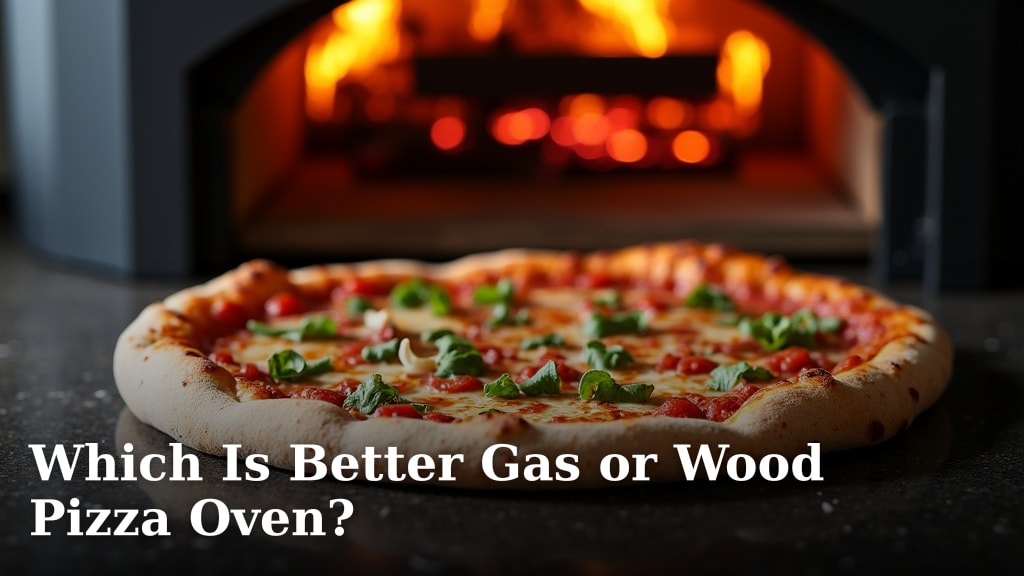
Which Is Better Gas or Wood Pizza Oven?
Choosing between a gas or wood pizza oven depends on your cooking style and desired flavor. Generally, wood-fired ovens offer authentic, smoky flavors and higher temperatures. Gas ovens provide convenience and consistent heat control, making them easier for beginners.
You want to make the best pizza at home, right? We get it. Deciding on the right oven is a big step for your backyard pizzeria dreams. Consider how often you’ll use it and the kind of experience you’re after. Will you prioritize ease of use or traditional taste?
- Wood-fired ovens give unique smoky flavors.
- Gas ovens are easier to use and control.
- Initial setup and fuel costs vary.
- Consider temperature consistency and cooking speed.
- Maintenance differs between the two types.
Let’s dive into the details so you can pick the perfect pizza oven for your needs. We’ll explore the pros and cons of each type, helping you make an informed decision.
Choosing Your Perfect Pizza Oven: Gas Versus Wood
Deciding between a gas or wood pizza oven really boils down to what matters most to you. Are you chasing that smoky, old-world flavor, or do you prefer speed and convenience?
We’ve found that each type offers a unique path to delicious homemade pizza. Let’s look closer at what sets them apart.
The Appeal of Wood-Fired Pizza Ovens
There’s something magical about a wood-fired oven. It connects you to ancient cooking traditions. You load wood, watch the flames dance, and smell the hickory or oak. It’s a whole experience.
These ovens can reach incredibly high temperatures. We’re talking 700-900°F (370-480°C) or even more. This intense heat cooks a pizza in mere minutes. We’ve seen pizzas cook in as little as 60-90 seconds (Forno Bravo).
Flavor Profile and Authenticity
Many passionate pizza makers swear by the distinctive flavor of a wood-fired pizza. The burning wood imparts a subtle smokiness to the crust and toppings. It creates that classic char on the edges, known as “leopard spotting.”
It’s hard to replicate that smoky, earthy taste with any other method. If you’re after true Neapolitan-style pizza, wood is often considered the gold standard (Associazione Verace Pizza Napoletana).
The “Experience” Factor
More than just food, a wood-fired oven offers a social centerpiece. Gathering around the oven, stoking the fire, and watching pizzas cook becomes an event. Your friends and family will love it.
It’s a hands-on cooking adventure. You manage the fire, learn about different types of wood, and master the art of launching and turning pies. It truly is a hobby in itself.
The Convenience of Gas Pizza Ovens
Gas ovens simplify the pizza-making process. They offer a quicker path to cooking, often without the fuss of managing a fire. Many people appreciate this ease of use.
They heat up relatively fast. You just turn a knob, wait a bit, and they’re ready. This makes them ideal for weeknight dinners or impromptu pizza parties.
Ease of Use and Temperature Control
With a gas oven, consistent temperature is a breeze. You set the dial, and the oven holds that heat. This removes a lot of the guesswork involved in cooking pizza.
You don’t need to worry about adding wood or clearing ash. This means less effort and a more relaxed cooking session. We find this appeals to those new to outdoor cooking (The Spruce Eats).
Speed and Efficiency
Gas ovens preheat much faster than wood ovens. You can go from off to cooking temperature in 15-20 minutes for many models. This is a huge time-saver.
The cooking process is also often very quick once hot. While they might not reach the extreme temperatures of wood, many gas ovens hit 800°F (425°C), cooking pizzas in 2-3 minutes. This rapid cooking is perfect for busy families.
Key Differences: A Closer Look at Performance
Beyond flavor and convenience, several practical factors distinguish gas and wood ovens. Thinking through these will help you choose wisely.
Consider how much space you have, your budget, and how much time you want to spend on maintenance.
Temperature Range and Cooking Speed
As we mentioned, wood ovens can get hotter. This allows for that super-fast cook with a crispy bottom and puffy, airy crust. Think authentic Neapolitan pizza. (Culinary Institute of America)
Gas ovens also get very hot, usually up to 800-900°F. They cook pizza quickly, but you might notice a slight difference in the char and overall texture compared to wood. The radiant heat often comes more directly from below or the side.
Fuel and Operational Costs
Wood requires purchasing specific types of hardwoods. This adds to your ongoing costs. You also need a dry place to store it. The price of wood can fluctuate.
Gas ovens use propane tanks or natural gas lines. Propane tanks are refillable but need frequent swapping if you cook a lot. Natural gas is usually cheaper per use but requires professional installation (Energy Information Administration).
Setup and Installation
Many wood-fired ovens are heavy and require significant installation. Some are portable, but most traditional ones are semi-permanent structures. You might need a sturdy base or even a small construction project.
Gas ovens are often more modular and can be easily moved. Many are portable and fit on a tabletop. Even built-in gas models are usually simpler to install than their wood counterparts. You just need a gas hookup and a safe, level surface.
Maintenance and Cleaning Considerations
Every cooking appliance needs care. Pizza ovens are no different. How much time do you want to spend keeping yours in top shape?
This is where gas and wood ovens show some clear distinctions.
Wood Oven Maintenance
After each use, you’ll need to clear out ash from a wood oven. It’s not a huge chore, but it is necessary. You can use a small ash shovel and brush for this task.
From time to time, you might need to clean soot from the dome interior. The high heat often self-cleans much of the inside, though. You also need to protect your wood oven from weather, perhaps with a cover, especially if it’s outside. This prevents cracking and wear.
Gas Oven Maintenance
Gas ovens are generally much easier to clean. There’s no ash to remove. Usually, you just wipe down the exterior and the cooking surface. The high temperatures often burn away any food residue on the stone.
Checking gas lines and connections annually is a good safety practice. Beyond that, gas ovens require minimal routine cleaning. This low maintenance is a huge plus for many users.
Making the Right Choice for Your Backyard
Still on the fence? That’s totally normal. Think about your lifestyle and your pizza priorities. What kind of cook are you?
We’ve found that honest self-reflection here leads to the most satisfying choice.
Consider Your Cooking Style and Preferences
Do you enjoy the process of cooking as much as the eating? Do you like experimenting with fire and fuel? Then a wood oven might be your calling. It’s a hobby and a cooking method all rolled into one.
If you just want great pizza with minimal fuss, a gas oven is probably a better fit. You value efficiency and predictable results. You want to cook great food without becoming a fire master.
Space and Budget Constraints
A portable gas oven can be quite compact, perfect for smaller patios or even balconies. Larger built-in wood ovens need a lot more room and a solid foundation.
Initial costs vary wildly. Some small, portable gas ovens are very affordable, while large, traditional wood ovens can be a significant investment. Factor in not just the oven itself, but also installation costs, fuel, and accessories.
Quick Checklist for Your Pizza Oven Decision
Here’s a fast way to think about what matters most to you:
- Do you prioritize authentic smoky flavor above all else?
- Is convenience and quick setup more important for you?
- Are you ready for the hands-on experience of managing a fire?
- Do you have the budget for potentially higher installation and fuel costs?
- How often do you plan to use your pizza oven?
We believe answering these questions will guide you to a clear decision. It’s not about one being “better,” but about which is better for you.
| Feature | Wood-Fired Pizza Oven | Gas Pizza Oven |
|---|---|---|
| Flavor | Authentic, smoky, unique char | Classic, clean, consistent without smoke |
| Ease of Use | Higher learning curve (fire management) | Easy, just turn a knob |
| Temperature | Can reach 900°F+, intense heat | Typically 800-900°F, very consistent |
| Preheat Time | 30-60 minutes | 15-20 minutes |
| Fuel Type | Hardwoods (oak, hickory, maple) | Propane or Natural Gas |
| Cost (Initial) | Moderate to High (can involve installation) | Low to Moderate (many portable options) |
| Maintenance | Ash removal, occasional soot cleaning | Wipe down, no ash |
| Portability | Mostly stationary, some portable options | Many portable choices, easy to move |
Conclusion
You’ve seen that the choice between a gas or wood pizza oven really comes down to your personal preferences and priorities. Do you crave that authentic, smoky flavor and hands-on experience of a wood fire? Or is the convenience and consistent control of gas more appealing for your lifestyle?
Each oven type offers a unique path to delicious homemade pizza. We’ve explored the nuances so you can weigh the flavor, maintenance, and setup involved. Now, reflect on what truly matters most to you in your backyard cooking adventures. Go ahead and pick the oven that will bring you the most joy!
Frequently Asked Questions
Are wood-fired pizzas healthier than gas-fired pizzas?
Not necessarily. The cooking method itself doesn’t inherently make one healthier than the other. Any health differences would likely stem from ingredients or portion sizes, not the heat source.
Can I convert a wood-fired pizza oven to gas, or vice versa?
Generally, converting a wood-fired oven to gas is possible with a conversion kit, but it can be complex. Converting a gas oven to wood is often not recommended due to design differences for ventilation and heat retention.
How much space do I need for a wood-fired vs. gas pizza oven?
Wood-fired ovens, especially traditional models, typically require more space for the oven itself plus wood storage. Many gas ovens are more compact, with portable tabletop options perfect for smaller patios or balconies.
Do I need special cooking skills for a wood-fired oven?
Yes, wood-fired ovens have a steeper learning curve. You’ll need to learn fire management, temperature control without a dial, and how to rotate pizzas quickly. Gas ovens are much more beginner-friendly.
What’s the typical lifespan of a good quality pizza oven?
With proper care, a high-quality pizza oven can last for many years, often a decade or more. Materials like refractory concrete and stainless steel are very durable, contributing to a long lifespan for both gas and wood models.