
How to Use Wood Pellets in a Pizza Oven?

Yes, you absolutely can use wood pellets in your pizza oven! It’s a fantastic way to get your oven piping hot for authentic Neapolitan-style pizzas. Many pizza oven owners have found that wood pellets offer a consistent heat and burn cleaner than traditional logs.
Using wood pellets means you’re likely using a specialized pizza oven designed for them. These ovens often have dedicated pellet hoppers or trays. We’ve found that this method can provide impressive heat very quickly, perfect for those quick pizza nights. It’s a different approach than using larger wood chunks, but highly effective. It’s a different approach than using larger wood chunks or pellets, but highly effective.
- Wood pellets are great for pizza ovens.
- They provide consistent, high heat.
- Look for ovens designed for pellet use.
- Pellets can offer a cleaner burn.
- You’ll get authentic pizza oven temps.
Ready to get your pizza oven roaring with wood pellets? Let’s walk through exactly how this works step by step.
Getting Your Pizza Oven Hot with Wood Pellets
Using wood pellets in your pizza oven is a straightforward process. You’ll find they ignite easily and burn hot. This method is perfect for achieving those quick, high temperatures. Many owners choose pellets for their consistency. This means less fuss and more pizza! Research shows that wood pellets provide a concentrated heat source.
Choosing the Right Pellets for Your Oven
Not all wood pellets are created equal when it comes to pizza ovens. For the best results, you’ll want to select high-quality hardwood pellets. These typically burn hotter and longer. Avoid pellets made from pine or other softwoods. They can leave a lot of ash. Many pellet pizza ovens are designed specifically for these types of fuel.
What to Look For
When shopping for pellets, look for labels that indicate they are 100% hardwood. Common hardwoods include oak, maple, and cherry. These woods have a higher density. This means they produce more heat per pound. Also, check for the “food grade” or “kiln-dried” designation. This helps ensure cleaner burning. You want your pizza to taste like pizza, not like creosote.
Pellet Types to Avoid
You’ll want to steer clear of pellets made with binders or chemicals. These can affect the taste of your food and create unpleasant smoke. Pellets intended for heating stoves might not be suitable. They can sometimes contain additives. Always check the manufacturer’s recommendations for your specific pizza oven. They often have the best advice.
Preparing Your Pellet Pizza Oven
Before you even think about lighting the pellets, ensure your oven is ready. Most pellet ovens have a dedicated tray or hopper. This is where you’ll place the fuel. Make sure this area is clean and free of old ash. A clean burn chamber is essential for efficient heating.
Setting Up the Fuel
For most ovens, you’ll simply fill the designated hopper or tray with your chosen wood pellets. Don’t overfill it, as this can sometimes hinder airflow. You want the pellets to have room to expand and burn freely. Think of it like giving them enough space to breathe.
Lighting and Managing the Burn
Lighting your pellet pizza oven is usually quite simple. Many ovens come with a built-in ignition system. Others might require a small amount of fire starter. Once lit, the pellets will begin to smolder and then ignite fully. You’ll see the flames grow.
Achieving Optimal Temperature
It takes time for the oven to reach pizza-cooking temperatures, usually around 700-900°F (370-480°C). Be patient! Let the pellets burn down and heat the oven’s dome and cooking surface. Many pellet ovens have a thermostat or airflow control. You can adjust these to maintain your desired temperature. This is where the “consistent heat” really shines.
Adding More Pellets
As the pellets burn, they will turn to ash. You’ll need to add more fuel to keep the temperature up. The frequency of adding pellets depends on your oven and the burn rate. For most pizzas, you’ll want to keep a steady bed of coals and a flame. Some ovens have an automatic feeder. Others require manual addition. We found that adding a small scoop every 10-15 minutes works well for many.
Maintaining Airflow
Good airflow is key to a hot fire. Pellets need oxygen to burn efficiently. Most pellet pizza ovens are designed with built-in vents. Make sure these are not blocked. If your oven has adjustable vents, experiment with them. Finding the sweet spot will give you the best flame and heat. Many sources suggest that proper ventilation prevents your fire from dying out prematurely.
Troubleshooting Common Pellet Oven Issues
Even with the best intentions, you might run into a few snags. Don’t worry, these are usually easy to fix. The most common issue is the fire not getting hot enough.
Low Temperatures
If your oven isn’t reaching temperature, check a few things. First, are you using the right kind of pellets? As we discussed, 100% hardwood is best. Next, is the airflow sufficient? Ensure your vents are open. Sometimes, simply adding more pellets can help. If it’s windy, you might need to shield your oven slightly. A strong gust can disrupt the flame.
Excessive Smoke
Too much smoke usually means the fire isn’t burning cleanly. This can happen if you’re using softwoods or pellets with binders. It can also indicate poor airflow. Try opening your vents more. If the smoke persists, it might be time to clean out the burn chamber. A clean oven burns hotter and cleaner.
Tips for a Perfect Pellet-Fired Pizza
Now that you know how to manage the fuel, let’s talk pizza. The heat from wood pellets can be intense. This is what you want for that quick, crispy crust.
Preheating is Key
Allow your pizza oven to preheat thoroughly. This means the stone or deck where you cook the pizza should be scorching hot. We found that a good 20-30 minutes of preheating is often necessary. A hot surface is crucial for a good crust.
Watch Your Flame
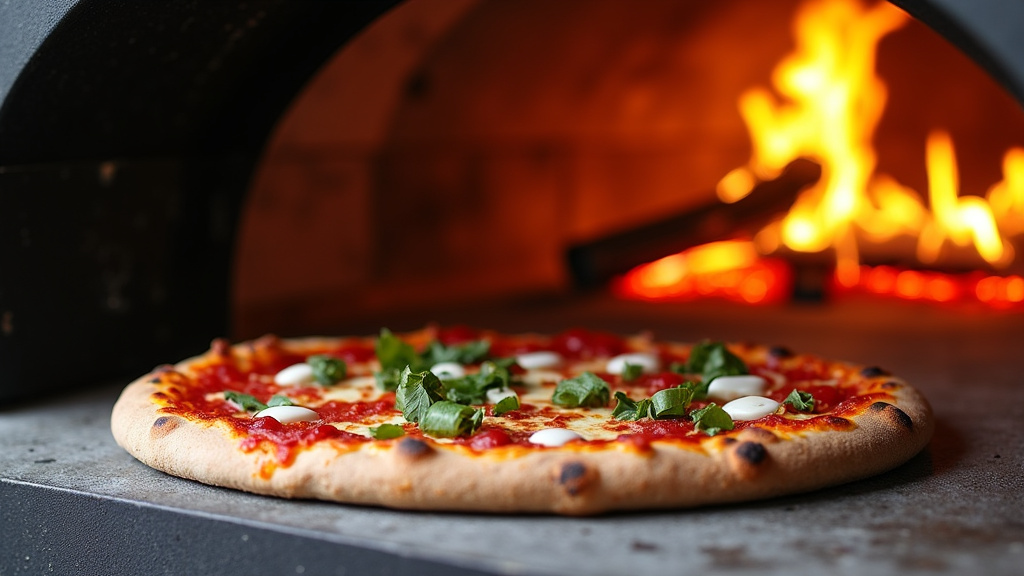
For Neapolitan-style pizza, you want a lively flame licking up the sides of the oven. This cooks the toppings and creates that beautiful char. As your pellets burn, you’ll see the flame change. Adjust your fuel addition to maintain a good flame, not just embers.
Practice Makes Perfect
Don’t be discouraged if your first few pizzas aren’t restaurant-perfect. Learning to manage a pellet pizza oven takes a little practice. Understanding how the pellets burn and how to control the temperature is a skill. You’ll get the hang of it quickly. Soon, you’ll be making pizzas that wow your friends and family.
Quick Checklist for Pellet Pizza Oven Success
- Use 100% hardwood pellets.
- Ensure your pellet tray or hopper is clean.
- Preheat your oven thoroughly.
- Maintain good airflow through vents.
- Add pellets as needed to keep heat up.
- Practice and enjoy the process!
Conclusion
You’re now equipped to master your pellet pizza oven! By choosing the right hardwood pellets and understanding how to manage the burn and airflow, you can consistently achieve those incredibly high temperatures needed for perfect pizzas. Remember that a little practice goes a long way in fine-tuning your technique. Don’t be afraid to experiment a bit. So, go ahead, fire up that oven, and get ready to impress yourself and your guests with delicious, wood-fired pizzas right in your backyard!
Frequently Asked Questions
Can I use regular heating wood pellets in my pizza oven?
Generally, it’s best to avoid heating wood pellets for pizza. Heating pellets can sometimes contain binders or additives that aren’t food-safe and can affect your pizza’s taste. Always check your pizza oven manufacturer’s recommendations for fuel types.
How much do I need to add pellets during a pizza cook?
The amount and frequency of adding pellets depend on your oven’s efficiency and the desired temperature. We found that adding a small scoop every 10 to 15 minutes helps maintain a consistent flame and heat for most pizzas.
Why is my pellet pizza oven smoking too much?
Excessive smoke usually indicates incomplete combustion. This can be caused by using softwoods, pellets with binders, or insufficient airflow. Ensure your vents are open and that you’re using clean, 100% hardwood pellets.
What temperature should I aim for when cooking pizza with pellets?
For authentic Neapolitan-style pizzas, you’ll want to reach temperatures between 700-900°F (370-480°C). It might take 20-30 minutes of preheating with the pellets to get the oven and cooking surface hot enough.
How do I keep the flame alive for a longer period?
To maintain a lively flame, you need a consistent supply of oxygen and fuel. Ensure your airflow vents are open and add pellets regularly to keep a bed of burning fuel and a flame. Avoid overcrowding the fuel hopper, as this can restrict airflow.
