
How to Fix Pizza Oven Producing Black Smoke?
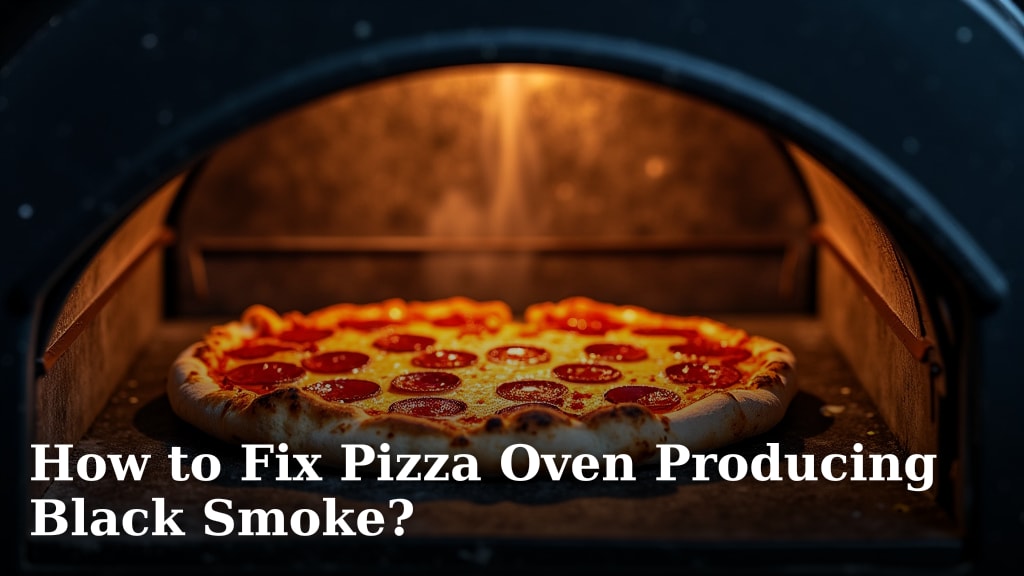
Your pizza oven producing black smoke means something isn’t quite right, but don’t worry! Fixing a pizza oven that’s smoking too much often comes down to managing your fuel and ensuring proper airflow. The most common culprits are using wet wood or having obstructions in your chimney or vent.
A little smoke during startup is normal, but excessive black smoke indicates an incomplete burn. This can lead to a buildup of soot and creosote, which are fire hazards. Getting your pizza oven to the right temperature quickly requires a clean burn, so addressing this issue is key for delicious, perfectly cooked pizzas and a safer cooking experience.
- Wet or unseasoned wood is a major cause.
- Check for chimney blockages like creosote or ash buildup.
- Ensure your oven has enough air intake for a good burn.
- Avoid overloading the oven with too much fuel at once.
Let’s walk through exactly how to get your pizza oven running with just the right amount of smoke, and no more!
Troubleshooting Your Pizza Oven’s Smoky Situation
If your pizza oven is puffing out thick, black smoke, it usually means it’s not burning efficiently. This incomplete combustion is often easy to fix. We’ll guide you through the common causes and simple solutions. Getting your oven to fire up correctly will ensure faster heating and better-tasting pizzas.
Understanding Why Your Pizza Oven Smokes Black
Black smoke is essentially unburnt fuel particles. It’s like your oven is trying to cook, but something is getting in the way of a clean burn. Think of it like a car engine sputtering; it’s not running at its best. This happens when there isn’t enough oxygen or when the fuel isn’t burning hot enough.
The Fuel Factor: Wet or Unseasoned Wood
The most frequent offender is your firewood. If your wood is wet or not properly seasoned, it will produce a lot of smoke. Wet wood contains a high moisture content. When you try to burn it, the heat first has to evaporate all that water. This process cools down the fire. A cooler fire doesn’t burn fuel completely, leading to that thick black smoke.
Seasoned wood, on the other hand, has had time to dry out. This allows it to burn hotter and cleaner. Ideally, firewood should have a moisture content of 20% or less. We found that wood seasoned for at least six months to a year is best. You can often tell seasoned wood by its cracked ends and lighter weight. It also makes a hollow sound when tapped, unlike wet wood which sounds dull.
Airflow Issues: The Oven Needs to Breathe
Just like you, your pizza oven needs air to function properly. Insufficient airflow is another major reason for black smoke. Without enough oxygen, the fire can’t burn efficiently. This leads to incomplete combustion and that tell-tale black smoke. Proper airflow means allowing air to enter the firebox and exit through the chimney or vent.
Checking Your Air Vents and Dampers
Many pizza ovens have adjustable air vents. These control how much air enters the firebox. If your vents are closed too much, you’ll choke the fire. You might also have a damper in your chimney. This controls the draft. If the damper is closed too far, smoke can’t escape. Check that both your vents and dampers are open enough to allow a good supply of air.
Obstructions in the Chimney or Vent
Your chimney or vent pipe can become blocked. Over time, soot and creosote can build up. These are byproducts of incomplete combustion. Ash can also accumulate. A blockage restricts airflow and prevents smoke from escaping. This forces smoke back into your oven and out where it shouldn’t be.
We found that regular cleaning is key. You should inspect your chimney and vent regularly, especially if you notice increased smoking. A simple chimney brush can often clear minor blockages. For more stubborn buildup, you might need professional help. Many experts say creosote is a fire hazard, so keeping your chimney clean is also a safety measure (National Fire Protection Association).
How to Light Your Pizza Oven for a Clean Burn
Starting your oven correctly sets it up for success. The goal is to build a hot, clean fire from the beginning. This means using the right materials and techniques.
The Right Kindling and Fuel
Begin with plenty of dry kindling. This is small, easily ignitable material. Think twigs, small dry branches, or specially made fire starters. Once the kindling is burning well, add slightly larger pieces of well-seasoned hardwood. Gradually introduce larger logs as the fire grows hotter. Avoid using anything other than wood or approved pizza oven fuels. Never burn treated lumber, plastics, or garbage.
Building the Fire Correctly
Don’t overload the oven when you first start it. A common mistake is throwing too much wood in at once. This smothers the fire and leads to smoke. Start with a small amount of wood. Let it catch and burn strongly before adding more. Aim to build a fire that is concentrated towards the back or side of the oven, depending on its design. This allows heat to circulate effectively and cook your pizzas.
Recognizing a Healthy Pizza Oven Fire
A well-functioning pizza oven fire has a distinct look. You’ll see a bright, lively flame. The flames will be mostly yellow and white, dancing towards the top of the oven dome. There might be a small amount of wispy white smoke, especially as you add fuel. This is normal and indicates a good draft and hot burn.
In contrast, a fire producing thick, black smoke will have dark, smoldering flames. You’ll see heavy, dark plumes rising. This is a sign that your oven is working too hard to burn the fuel. It’s not reaching optimal temperatures quickly. We found that most wood-fired pizza oven enthusiasts aim for temperatures between 750°F and 900°F for baking.
Practical Steps to Eliminate Black Smoke
Let’s get straight to fixing that smoky situation. Here are actionable steps you can take right now.
Step 1: Inspect Your Wood Supply
Before you even think about lighting the fire, check your wood. Is it dry? Does it have cracks on the ends? Does it feel light? If you’re unsure, try a small test burn with a few pieces. If they hiss and produce a lot of smoke, they’re likely too wet. Source good quality, seasoned hardwood for the best results.
Step 2: Clear the Airflow Paths
Check your oven’s air vents. Make sure they are clear of ash or debris. Open them up to allow ample air. If your oven has a chimney damper, ensure it’s open sufficiently. You can also use a flashlight to peek up the chimney. Look for any obvious blockages like a bird’s nest or heavy creosote buildup. Removing these obstructions is vital.
Step 3: Master Your Fire-Building Technique
Start small. Use plenty of dry kindling to get a strong base fire. Add small pieces of seasoned wood gradually. Don’t smother the flames with too much wood too soon. Allow each addition of wood to catch and burn well before adding more. This method ensures a steady rise in temperature and a cleaner burn.
Step 4: Understand Your Oven’s Needs
Every pizza oven is a bit different. Pay attention to how yours responds. If it starts smoking heavily after you’ve been cooking for a while, it might mean the fire is dying down. You may need to add a few more pieces of wood. If it smokes heavily from the start, re-evaluate your fuel and airflow. Many users find that a small maintenance fire is better than letting the oven go out and relighting a large one.
Step 5: Regular Cleaning and Maintenance
Don’t wait for problems to arise. Make chimney cleaning a regular part of your oven maintenance. Brush out ash from the firebox after each use. Check for creosote buildup periodically. A clean oven is a happy, non-smoky oven. This proactive approach prevents bigger issues down the line.
Quick Checklist for a Smoke-Free Oven
Here’s a quick rundown to ensure your next pizza bake is accompanied by beautiful flames, not choking smoke:
- Always use dry, seasoned hardwood.
- Ensure air vents and chimney dampers are sufficiently open.
- Build your fire gradually with kindling first.
- Avoid overloading the oven with too much fuel at once.
- Perform regular cleaning of the chimney and firebox.
- Monitor your fire for a clean, bright flame.
Conclusion
You’ve learned that your pizza oven producing black smoke usually points to simple issues like wet wood or restricted airflow. By focusing on using dry, seasoned hardwood and ensuring your oven can breathe properly, you’re well on your way to perfect pies. Remember to check your vents, clear your chimney, and build your fire gradually. With these practices, you’ll enjoy cleaner burns, hotter ovens, and more delicious pizzas. Your next step is to inspect your current wood supply and make sure your air vents are clear before your next bake!
Frequently Asked Questions
How often should I clean my pizza oven chimney?
We recommend cleaning your pizza oven chimney at least once a year, or more often if you notice increased smoke or soot buildup. Regular cleaning prevents dangerous creosote accumulation and ensures good airflow for better performance. A simple chimney brush can often do the trick for minor blockages.
Can I use charcoal in my wood-fired pizza oven?
Generally, you should stick to wood for traditional wood-fired pizza ovens. Charcoal burns differently and can produce excessive ash that might clog your oven or affect the taste. Your oven is designed for wood fuel to achieve the right temperatures and flavor profile.
What’s the difference between black smoke and white smoke from my pizza oven?
Black smoke signifies incomplete combustion, meaning fuel isn’t burning efficiently and is releasing unburnt particles. White smoke, especially a light wisp, is often steam or a sign of a good, hot fire with proper airflow. Excessive white smoke can still indicate wet fuel, but it’s less of a concern than thick black smoke.
My oven is smoking heavily, but the wood seems dry. What else could it be?
If your wood is dry, the next most likely culprit is insufficient airflow. Double-check that your air vents are fully open and that your chimney damper (if you have one) is not restricting the exhaust too much. Also, ensure there are no obstructions like ash or debris blocking the pathways.
How can I tell if my wood is properly seasoned?
Seasoned wood will typically look lighter in color, feel lighter in weight, and have cracks or “checks” on the ends. When tapped, it should make a hollow, ringing sound, unlike the dull thud of wet wood. If you’re still unsure, a moisture meter is a reliable tool to confirm a moisture content of 20% or less.
