
How to Fix Pizza Oven Filling with Soot?
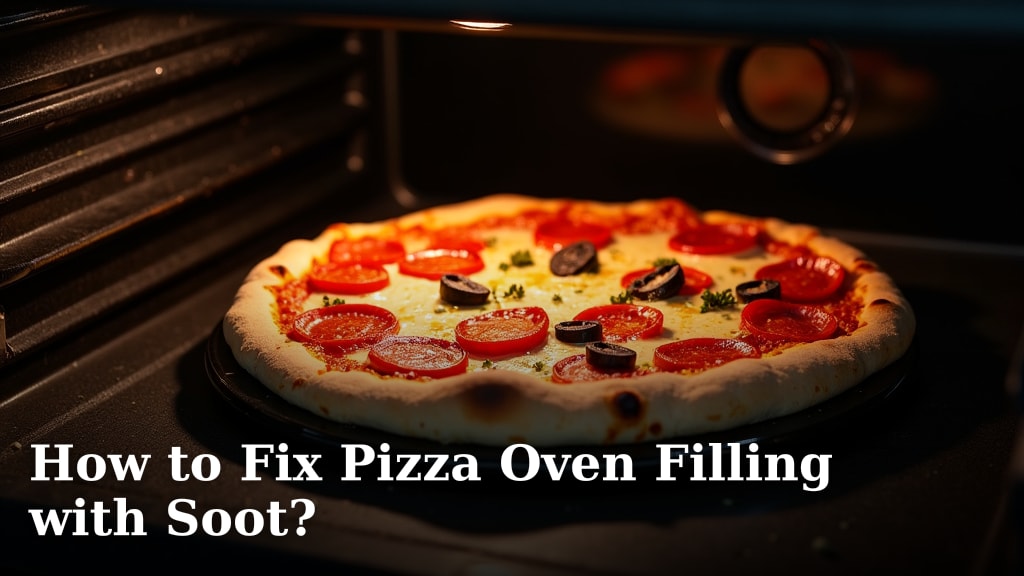
If your pizza oven is filling with soot, it’s often because of poor airflow or incomplete combustion. You can fix this by ensuring your oven has enough air entering the firebox and that the fuel is burning efficiently. A little soot is normal, but excessive buildup means your oven isn’t working at its best and can impact pizza flavor.
This common issue can be frustrating, especially when you’re craving that perfect, wood-fired pie. Understanding the root causes helps you get back to delicious pizzas faster. We’ve looked into the science behind it and found that addressing the combustion process is key to a clean-burning pizza oven.
- Check your oven’s air vents for blockages.
- Ensure the fire is burning hot and efficiently.
- Use dry, seasoned hardwood for fuel.
- Regularly clean out ash for better airflow.
- Consult your oven’s manual for specific tips.
Let’s walk through exactly how to tackle that sooty pizza oven and get you back to perfectly cooked pizzas.
Troubleshooting Soot Buildup in Your Pizza Oven
Seeing soot clog up your pizza oven can be a real bummer. It’s like your oven is sending you a smoky signal that something isn’t quite right. Don’t worry, though. Most of the time, this is a fixable problem. We’ve looked into why this happens, and it usually boils down to how your oven is breathing and how well the fire is burning. Getting these things right will mean cleaner smoke and tastier pizzas.
Think of your pizza oven like a campfire. If it’s not getting enough air, the wood just smolders. This creates a lot of smoke and soot. A well-functioning pizza oven needs a good airflow to burn its fuel cleanly. This leads to better heat distribution and, importantly, avoids that acrid soot taste on your food. We’ve gathered the most common culprits and their solutions to get your oven back in tip-top shape.
Understanding Why Soot Forms
Soot is essentially unburned carbon particles. When your pizza oven’s fire doesn’t get enough oxygen, the wood or fuel doesn’t burn completely. This incomplete combustion is the main reason for soot. You want a nice, hot, efficient burn, not a smoldering one. Research indicates that proper ventilation is key to achieving this clean burn (National Fire Protection Association).
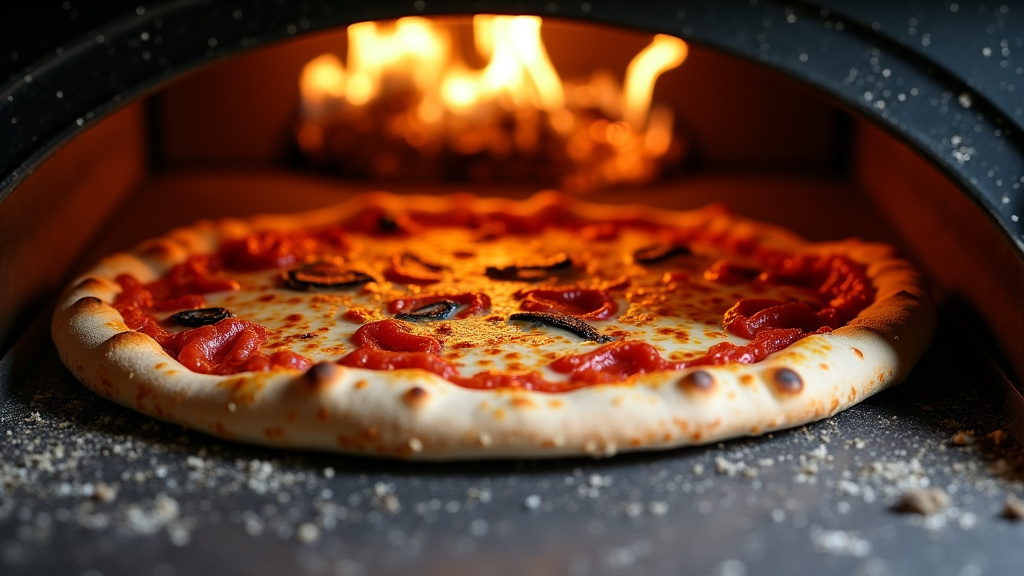
The ideal scenario is a bright, hot flame. This flame efficiently converts fuel into heat and light, with minimal smoke. When that flame is weak, yellow, or lazy, it’s a sign that it’s not getting enough air. This weak flame then releases soot. So, if you see a lot of black smoke billowing out, it’s a direct indicator of incomplete combustion and a likely cause of soot buildup.
The Role of Airflow in Combustion
Airflow is the engine that drives a clean fire. Your pizza oven needs a constant supply of oxygen to feed the flames. This oxygen helps the fuel to burn hotter and more completely. Without enough air, the fire struggles, and you get that smoky, sooty result.
Many pizza ovens have specific vents designed to control airflow. If these vents are blocked or too small, they can starve the fire of oxygen. It’s like trying to breathe through a straw – it’s tough work! We found that ensuring these vents are clear is one of the simplest yet most effective ways to improve combustion and reduce soot.
Fuel Quality Matters
The type and condition of the fuel you use significantly impact soot levels. Wet or unseasoned wood contains a lot of moisture. When you try to burn it, the oven first has to evaporate that water. This process cools down the fire and hinders efficient combustion, leading to more smoke and soot.
Hardwoods like oak, maple, or fruitwoods are generally recommended for pizza ovens. These woods burn hotter and longer than softwoods like pine. They also tend to produce less creosote, which is a precursor to soot. Always aim to use dry, seasoned hardwood that has been cured for at least six months. This ensures a cleaner, hotter burn for your pizzas.
Step-by-Step Solutions for Sooty Ovens
Now that we understand the ‘why,’ let’s get to the ‘how.’ Fixing a sooty oven is usually straightforward. You’ll want to systematically check a few key areas. Think of it like a little troubleshooting detective mission for your oven.
Check and Clear Air Vents
Your pizza oven likely has at least one, if not two, air vents. One is typically near the bottom, feeding air to the fire. Another might be higher up, helping with exhaust. First, make sure these vents are fully open when you’re trying to get the oven hot. Then, physically inspect them for any blockages. Ash, debris, or even insects can sneak in and disrupt airflow.
Use a stiff brush or a piece of wire to gently clear out any obstructions. If your oven has a door, ensure it’s not airtight when you need airflow. Some doors have adjustable vents. Make sure those are set correctly. A clogged vent is like a traffic jam for oxygen – it has nowhere to go, and the fire suffers.
Front Draft vs. Top Draft Ovens
Ovens can have different designs for airflow. Some have a primary vent at the front, near the fuel, to draw air in (front draft). Others have vents higher up or a chimney system that creates a strong upward pull (top draft). Whatever your oven’s design, ensure the vents intended for fire **airflow** are unobstructed.
If you have a front draft system, look for ash and embers accumulating near the opening. These can easily block the incoming air. For top draft systems, ensure the chimney or flue is clear. Sometimes, nests or debris can build up there. Always consult your oven’s manual for its specific airflow design.
Ensure a Hot and Efficient Fire
A fire that’s not hot enough is a common cause of soot. You need to get your oven up to temperature effectively. This means starting with good kindling and gradually adding larger pieces of fuel. Don’t smother the initial flames.
Once the oven is hot, maintain a consistent fire. If the fire dies down too much, it can lead to smoldering and soot. Keep adding pieces of dry hardwood to sustain a lively flame. The goal is a consistent, bright fire that produces minimal smoke. We found that a **consistent flame** is key to a clean burn.
Starting the Fire Correctly
The way you start your fire can set the stage for the rest of your cooking session. Begin with a small amount of dry kindling and some fire starters. Once that catches well, gradually add slightly larger pieces. Build the fire up slowly. Resist the urge to throw on big logs too soon.
Allow the kindling to burn down to hot embers before adding your main cooking logs. This ensures a good base of heat. If you start with too much fuel at once, especially if it’s not bone dry, you’ll likely get a smoky, sooty fire from the get-go. Proper fire starting is a foundational step to avoid soot.
Maintaining the Fire’s Intensity
As you cook, you’ll need to manage the fire to keep it hot. This involves adding logs periodically. Don’t wait until the flames are almost out. Add a new log or two when the existing ones are burning well. This keeps the heat up and the combustion efficient.
Think of it like tending a campfire. You add wood to keep it going strong. For a pizza oven, a strong fire means good heat for your pizzas and less soot production. A fire that’s constantly struggling to stay lit will produce more smoke. Many seasoned pizza makers recommend adding fuel proactively, not reactively.
Regular Ash Removal
Ash is a natural byproduct of burning wood. While some ash is necessary to insulate the oven floor, too much can be detrimental. A thick layer of ash can block the air vents and smother the fire, leading to poor combustion and soot. It also makes it harder for the hot air to circulate effectively around your pizza.
Aim to clean out excess ash regularly. You don’t need to remove every speck, but keep the main fire area clear enough to allow good airflow. A metal ash shovel and brush are your best friends here. Do this when the oven is cool, or carefully remove the hottest embers first. **Regular cleaning** prevents major buildup.
Using the Right Kind of Wood
We touched on this, but it bears repeating. The type and moisture content of your wood are critical. Wet wood is a soot-maker’s best friend. It cools the fire and creates a ton of smoke. Always use wood that’s been seasoned for at least six months to a year. It should look and feel dry, and often has small cracks in the ends.
Hardwoods are generally preferred. They burn hotter and produce fewer tars and creosotes that contribute to soot. Avoid treated lumber or softwoods like pine, as they burn too quickly and can leave behind unpleasant residues. Choosing good quality, dry hardwood is a simple switch that makes a big difference.
When to Seek Further Help
If you’ve tried these steps and your pizza oven is still filling with soot, there might be a more specific issue with your oven’s design or a rare problem. Check your oven’s manufacturer manual. It often contains troubleshooting tips specific to your model. Sometimes, the insulation might be failing, or there’s an issue with the chimney draft.
Don’t hesitate to reach out to the manufacturer or a professional if you suspect a more serious problem. Getting advice directly from the source can save you time and frustration. Your goal is a perfectly functioning oven, and sometimes a little expert guidance is all you need.
Key Takeaways for a Cleaner Oven: Checklist
Here’s a quick rundown to help you remember the essentials:
- Always use **dry, seasoned hardwood**.
- Ensure air vents are open and **clear of debris**.
- Start your fire slowly and let it build heat.
- Maintain a **hot, consistent flame** during cooking.
- Clean out excess ash regularly to maintain airflow.
- Consult your oven’s manual for specific advice.
Conclusion
Dealing with soot in your pizza oven doesn’t have to be a constant battle. You’ve learned that a clean burn comes down to ensuring proper airflow, using the right fuel, and maintaining a hot, consistent fire. By checking your vents, choosing seasoned hardwood, and managing your fire effectively, you can significantly reduce soot buildup. Now, you’re equipped to troubleshoot and enjoy those perfectly cooked, wood-fired pizzas without the smoky interference. Get out there, fire up your oven, and embrace the delicious results of a well-functioning, clean-burning system!
Frequently Asked Questions
Will using a pizza oven door cause more soot?
Using a pizza oven door can sometimes affect airflow, potentially leading to more soot if not managed correctly. Ensure your door has adjustable vents and you’re using them to maintain adequate oxygen for the fire. Proper door management is key to preventing soot buildup.
Can I use charcoal in my pizza oven instead of wood to reduce soot?
While charcoal burns hotter and cleaner than some woods, it’s generally not recommended for traditional pizza ovens. Pizza ovens are designed for wood fuel to impart unique flavors. Using charcoal might alter cooking temperatures and pizza taste, and it won’t address underlying airflow issues.
How often should I clean the ash out of my pizza oven?
You should clean out excess ash regularly, typically after every few cooking sessions or when you notice a thick layer accumulating. Leaving too much ash can restrict airflow, leading to incomplete combustion and more soot. Keep enough ash for insulation but remove the rest.
Is black smoke always a sign of soot?
Yes, thick black smoke billowing from your pizza oven is a strong indicator of incomplete combustion, which directly leads to soot. This means the fuel isn’t burning efficiently due to a lack of oxygen. Addressing airflow is the primary solution for black smoke.
My oven smokes a lot when I first light it, is that normal?
A little smoke when first lighting the fire is normal as you’re building heat. However, if the smoke is consistently black and persistent, it suggests you might be smothering the initial flames or using damp wood. Start with dry kindling and gradually add fuel to ensure a clean ignition.
