
How to Fix Pizza Crust Staying Pale?
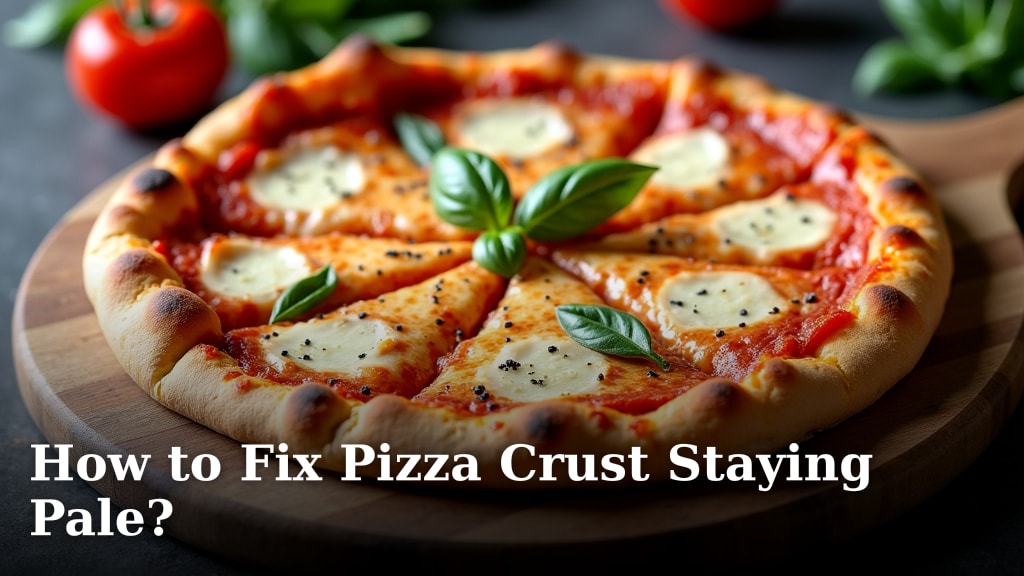
Your pizza crust stays pale because it’s likely not getting hot enough or the dough isn’t prepared correctly. You might be missing out on that perfect golden-brown crisp. The good news is, fixing this common pizza problem is totally achievable with a few key adjustments.
We’ve all been there, staring at a pizza that looks more like a plain white canvas than a delicious baked masterpiece. Several factors can lead to a pale crust, from oven temperature to the dough’s hydration. Understanding these can help you achieve that desirable golden hue and satisfying crunch every time you bake.
- Preheat your oven thoroughly.
- Use a pizza stone or steel.
- Check your dough recipe.
- Consider dough hydration levels.
- Bake at a higher temperature.
Let’s walk through the most common reasons your pizza crust is pale and how to fix them so you can enjoy perfect pizza at home.
Why Your Pizza Crust Stays Pale: A Deep Dive
A pale pizza crust is often a sign that something is missing from your baking process. You want that beautiful golden-brown color. It signals a properly cooked crust with a satisfying crisp. We’ve researched the common culprits behind a pale pizza. Thankfully, most are easy to fix.
Let’s get your pizza crust looking as good as it tastes. We’ll cover the main reasons it’s not browning and what you can do about it.
Oven Temperature: The Cold, Hard Truth
The most common reason for a pale pizza crust is simply not hot enough. Your oven needs to reach and maintain a high temperature. This heat is essential for browning. Many home ovens don’t get as hot as professional pizza ovens. This is a key difference.
Experts recommend baking pizza at very high temperatures. This allows the crust to cook quickly and develop color. If your oven struggles to get hot, your crust might not brown properly. You might be leaving delicious flavor and texture on the table.
Preheating is Non-Negotiable
Preheating your oven is more than just a suggestion; it’s a critical first step. You need to let your oven reach its target temperature and then keep it there. Most recipes suggest 450°F to 500°F (230°C to 260°C). Some even go higher.
Think of it like this: you’re trying to shock the dough with intense heat. If you put your pizza in a lukewarm oven, the dough will start to cook slowly. It won’t get that initial burst of heat needed for browning. Research shows consistent high heat is key to achieving that perfect crust crispness.
How Long to Preheat?
Don’t just wait for the oven light to turn off. That’s not enough. You need to allow ample time for the oven’s internal elements and walls to fully heat up. This ensures even heat distribution. We found that at least 30 minutes of preheating is usually necessary.
For ovens that tend to run cooler, an hour of preheating might be even better. This allows the oven rack and any baking surface, like a pizza stone, to get thoroughly hot. A hot surface directly transfers heat to the pizza dough. This helps create a crisper, browner bottom crust.
Are You Using the Right Temperature?
Are you actually setting your oven to its highest setting? Sometimes, we might be a little hesitant to push the temperature. But for pizza, high heat is your friend. If your recipe calls for 500°F, don’t be afraid to set it there.
Many home cooks found success by bumping up their oven temperature by 25-50°F (15-30°C) higher than the recipe suggests. It’s wise to use an oven thermometer to check its accuracy. Oven thermostats can sometimes be off by quite a bit. A reliable oven thermometer is a small investment for perfectly browned pizza.
Baking Surfaces: Your Crust’s Best Friend
The surface you bake your pizza on makes a huge difference. A thin baking sheet might not hold enough heat. It can lead to a pale, undercooked bottom crust. You need something that can absorb and retain a lot of heat. This is crucial for that golden-brown finish.
Pizza Stones and Steels: The Game Changers
If you’re serious about homemade pizza, a pizza stone or baking steel is a must-have. These materials get incredibly hot. They mimic the heat of a professional pizza oven floor. This intense heat transfer cooks the bottom of your crust quickly.
A pizza stone is typically made of ceramic or cordierite. It absorbs moisture, which helps create a crispier crust. A baking steel is made of metal. It conducts heat even more efficiently than a stone. Both will dramatically improve your crust’s browning capabilities. Experts often recommend preheating these surfaces for at least 30-60 minutes along with your oven.
Why They Work So Well
These surfaces work by creating a direct heat transfer to the pizza dough. When you place your pizza onto a screaming hot stone or steel, the moisture in the dough is rapidly converted to steam. This steam then helps to puff up the crust. Meanwhile, the intense heat begins to cook and brown the starches and sugars in the dough.
This process is often referred to as “oven spring.” It’s what gives pizza crust its airy texture and crisp exterior. Without this direct, high heat, the crust bakes more slowly. It can end up pale and doughy instead of beautifully browned and delicious.
Using a Baking Sheet Correctly
If you don’t have a stone or steel, you can still get a decent crust with a baking sheet. However, you need to preheat the baking sheet itself. Place your baking sheet in the oven while it preheats. When it’s time to bake, carefully slide your pizza onto the hot sheet.
This preheating step is key. It provides that initial blast of heat to the bottom of the crust. For even better results, consider using a heavy-duty baking sheet. Thicker metal holds more heat. You might also try placing a rack in the lower third of your oven. This brings the pizza closer to the heat source.
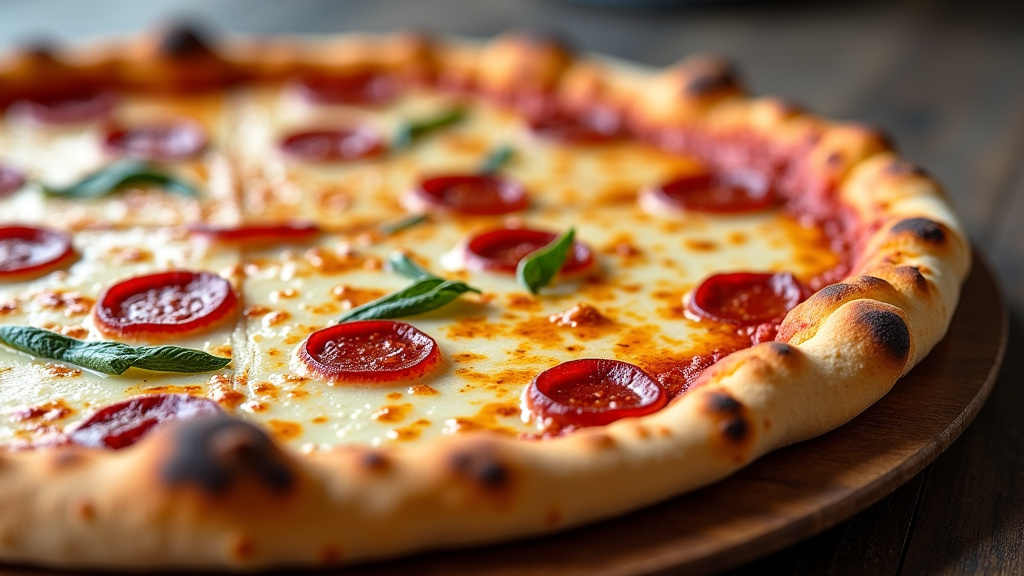
Dough Ingredients and Hydration: More Than Just Flour and Water
The ingredients in your dough and how much water you use also play a significant role in how your crust browns. This is where things can get a bit more technical, but we’ll keep it simple.
Sugar and Fat Content
Many pizza dough recipes include a small amount of sugar or honey. Sugar is a browning agent. It caramelizes when heated, contributing to a golden color. If your recipe lacks sugar, your crust might stay paler.
Fat, like olive oil, also helps with browning and tenderness. It coats the flour particles and prevents them from forming too much gluten. This results in a softer, more tender crust that can brown more easily. Research from food science journals highlights how different fats impact crust browning.
Dough Hydration Levels
Hydration refers to the amount of water in your dough recipe relative to the flour. A dough with high hydration (meaning more water) can be harder to brown. The extra moisture needs to evaporate first. This can lead to a pale crust, especially if your oven isn’t hot enough.
Lower hydration doughs are generally easier to get crispy and brown. However, they can sometimes result in a denser crust. Many pizza makers find a sweet spot between 60-70% hydration. This range often balances a good texture with browning potential.
Adjusting for Your Flour and Environment
Different flours absorb water differently. Whole wheat flour, for instance, absorbs more water than all-purpose flour. Your environment also matters; humid air means dough might need less water, while dry air might require more. You may need to adjust your water amount slightly.
If your dough consistently seems too wet, try reducing the water by a tablespoon or two. Conversely, if it’s too dry and crumbly, add water a teaspoon at a time. You’re aiming for a dough that’s manageable but still has a good amount of moisture for a tender crust. Getting the hydration right is a skill that improves with practice.
Troubleshooting Your Pale Pizza Crust: A Quick Checklist
Here’s a simple checklist to help you diagnose and fix your pale pizza crust:
- Check Oven Temperature: Use an oven thermometer to ensure your oven is truly reaching the set temperature.
- Preheat Thoroughly: Give your oven and baking surface at least 30-60 minutes to get fully hot.
- Use a Hot Baking Surface: Invest in or properly preheat a pizza stone or steel.
- Consider Dough Recipe: Does your recipe include sugar or fat for better browning?
- Hydration Balance: If your dough is too wet, it might affect browning.
- Oven Rack Position: Try moving your pizza to a lower rack for more direct heat.
Conclusion
You’ve learned that a pale pizza crust isn’t a pizza tragedy! It usually comes down to heat, your baking surface, and the dough itself. By ensuring your oven is screaming hot and properly preheated, using a pizza stone or steel, and paying attention to your dough’s hydration and ingredients, you can achieve that beautiful golden-brown finish. Don’t let a pale crust discourage you. With these adjustments, you’re ready to bake pizzas that look as fantastic as they taste. Your next pizza night is sure to be a golden-brown success!
Frequently Asked Questions
Will adding sugar to my pizza dough make it brown better?
Yes, adding a small amount of sugar or honey to your dough can significantly help with browning. Sugar acts as a browning agent, caramelizing under heat to give your crust a richer color. Most pizza recipes include it for this very reason.
My pizza stone is hot, but the crust is still pale. What else could be wrong?
If your stone is hot but the crust is pale, double-check your oven temperature. Make sure your oven is actually reaching the set temperature by using an oven thermometer. Also, consider the dough’s hydration; a very wet dough needs more heat to brown.
Can I get a crispy, browned crust using just a regular baking sheet?
You absolutely can! The key is to preheat your baking sheet in the oven along with your oven. Sliding your pizza onto a hot sheet provides that initial burst of heat needed for browning. Using a heavier-gauge baking sheet can also help retain heat better.
How long should I actually preheat my oven for pizza?
Don’t rely on just the oven light turning off. You need to preheat for at least 30 to 60 minutes. This ensures that the oven walls and your baking surface, like a pizza stone or steel, are thoroughly heated for optimal heat transfer to your dough.
Is a pale crust always a sign of undercooked dough?
Not necessarily. A pale crust primarily indicates a lack of browning, which is usually due to insufficient heat transfer or inadequate oven temperature. The inside of the dough could be cooked through, but the crust itself didn’t get hot enough or long enough to develop color and crispness.
