
How to Cook Steak in a Pizza Oven?
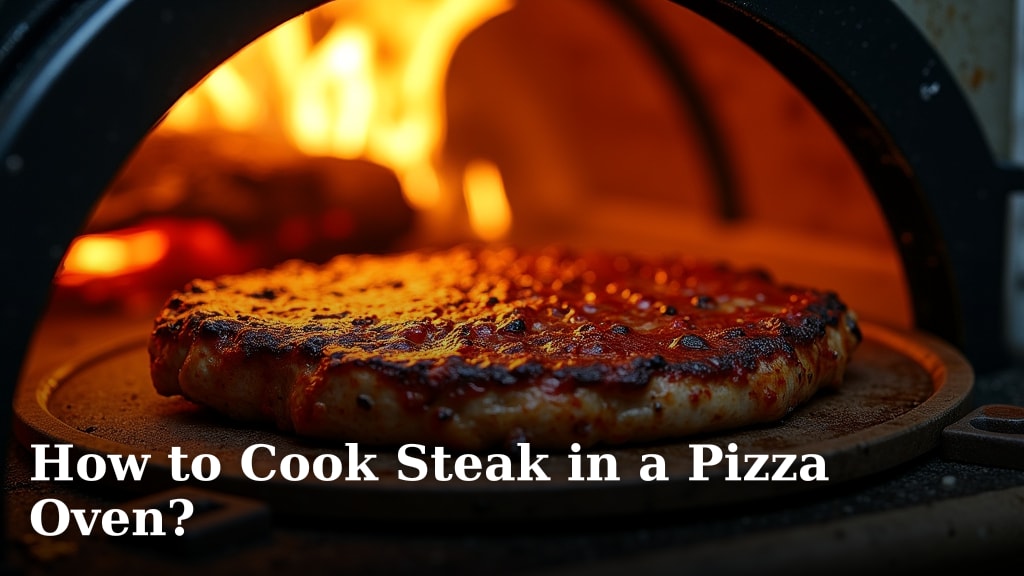
Yes, you absolutely can cook steak in a pizza oven! It’s a fantastic way to achieve a perfectly seared crust and juicy interior, much like traditional grilling but with a unique smoky flavor. You’ll need a very hot oven, usually around 700-900°F, and a cast iron skillet or pizza stone.
Many home cooks are discovering the joy of using their pizza oven for more than just pies. This high-heat method is ideal for quickly cooking steak, delivering that coveted restaurant-quality char. We found that the intense heat is key to preventing the steak from overcooking inside while developing a beautiful crust.
- Preheat your pizza oven thoroughly.
- Use a cast iron pan for best results.
- Sear steak quickly for a perfect crust.
- Rest your steak properly after cooking.
Ready to try this exciting method? Below, we’ll walk you through exactly how to cook a delicious steak in your pizza oven, step by step.
Mastering Steak in Your Pizza Oven
Cooking steak in a pizza oven might sound unusual, but it’s a surprisingly effective method. You can achieve a fantastic sear and a tender, juicy inside. It’s all about understanding the intense heat. We found that managing this high temperature is key to success.
The goal is to get a great crust without overcooking the steak. Pizza ovens reach temperatures far higher than a typical grill or oven. This allows for a very quick cook. You want to leverage that speed for the best results. Let’s get started!
Choosing the Right Steak and Equipment
Not all steaks are created equal when it comes to high-heat cooking. You need cuts that can handle intense heat without drying out too quickly. Thick-cut steaks are generally your best bet.
Best Steak Cuts for Pizza Oven Cooking
Consider cuts like a thick ribeye, a well-marbled New York strip, or a tenderloin. These cuts have enough fat to stay moist and flavorful during the quick, high-heat cooking process. A thickness of at least 1.5 to 2 inches is ideal. This thickness gives you a good buffer to develop a beautiful crust before the inside gets overcooked.
Thinner steaks can cook too fast. You might end up with a well-done steak when you were aiming for medium-rare. We found that bone-in cuts can also add extra flavor. Just be mindful of how the bone might affect even cooking.
Essential Cooking Tools
When cooking steak in a pizza oven, the right tools make a big difference. You’ll need something to hold your steak in the oven.
The Cast Iron Skillet Advantage
A cast iron skillet is your best friend here. It holds heat incredibly well, which is crucial in a pizza oven. The skillet gets screaming hot and transfers that heat directly to the steak. This helps create that coveted, deeply browned crust. Plus, it gives you a stable surface to work with inside the oven.
Ensure your skillet is oven-safe and can withstand the high temperatures. You can preheat the skillet in the oven to ensure it’s ready for searing the moment your steak goes in. We found that a well-seasoned skillet is also easier to clean.
Using a Pizza Stone or Steel
Some people prefer to cook steak directly on a pizza stone or steel. If you choose this method, ensure it’s designed for high heat. You’ll need to be very careful when placing and removing the steak. You might also need a sturdy pizza peel for this.
A steel will conduct heat more efficiently than stone, leading to a better sear. However, it can also be more prone to cracking if not preheated carefully. Many experts suggest using a cast iron skillet for more control and consistent results with steak.
Preheating Your Pizza Oven for Steak Perfection
Preheating is arguably the most important step. Your pizza oven needs to be exceptionally hot. This is not the time to be shy with the heat.
Achieving Optimal Temperatures
You’re aiming for temperatures between 700°F and 900°F (370°C to 480°C). It takes time for the oven to reach these temperatures. For wood-fired ovens, this means letting the fire burn down to a bed of hot coals and then allowing the dome to heat up thoroughly. For gas or electric models, follow the manufacturer’s instructions to crank them up to their highest setting. You’re aiming for temperatures between 700°F and 900°F in your pizza oven.
We found that letting the oven preheat for at least 30-60 minutes is often necessary. You want the dome and the floor (or your cooking surface) to be saturated with heat. A heat gun can be helpful to confirm the temperature of your cooking surface.
Preparing Your Cooking Surface
If you’re using a cast iron skillet, place it in the oven during the final stages of preheating. You want that skillet to be smoking hot. This ensures an immediate, powerful sear on your steak. If using a pizza stone or steel, ensure it’s also fully heated.
Avoid adding cold ingredients to a screaming-hot oven. This can shock the cooking surface and lead to uneven cooking. Let everything come up to temperature together. This patience pays off with a superior crust.
The Steak Cooking Process, Step-by-Step
Now that your oven is blazing hot and your skillet is ready, it’s time for the main event. This process is fast, so be prepared.
Seasoning Your Steak
Keep it simple! A good steak in a hot oven doesn’t need much. Generously season your steak with kosher salt and freshly ground black pepper just before cooking. Some people like to add garlic powder or onion powder, but we found that simple salt and pepper lets the steak’s flavor shine through. Ensure the steak is patted dry with paper towels; moisture is the enemy of a good sear.
Searing and Flipping
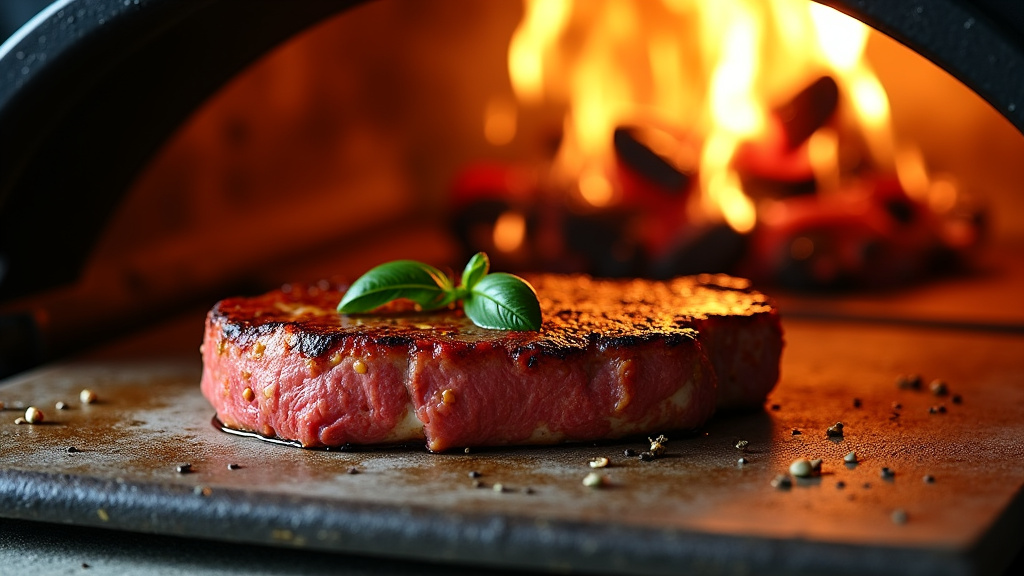
Carefully place your seasoned steak into the preheated cast iron skillet inside the pizza oven. You should hear an immediate, satisfying sizzle. Let the steak sear undisturbed for about 2-3 minutes. This is where you develop that beautiful, caramelized crust.
Using tongs, flip the steak to sear the other side. Again, let it sear for another 2-3 minutes. If you have a thicker steak, you might want to sear the edges as well. You can do this by holding the steak with tongs and rotating it to sear the sides. This ensures an even cook and great flavor all around.
Monitoring Internal Temperature
This is where a good meat thermometer is essential. Pizza ovens cook extremely fast. You don’t want to guess when your steak is done. Insert the thermometer into the thickest part of the steak, avoiding bone or fat pockets.
Here are general temperature guidelines (note these will be a few degrees lower when resting):
| Doneness | Internal Temperature (°F) |
|---|---|
| Rare | 120-125°F (49-52°C) |
| Medium-Rare | 130-135°F (54-57°C) |
| Medium | 135-140°F (57-60°C) |
| Medium-Well | 140-145°F (60-63°C) |
| Well-Done | 150°F+ (65°C+) |
Many guidelines suggest pulling the steak from the heat 5-10 degrees below your target temperature. The steak will continue to cook as it rests.
The Crucial Resting Period
Once your steak reaches the desired internal temperature, carefully remove the skillet from the pizza oven. Place the steak on a clean cutting board or plate. Let it rest for at least 5-10 minutes. This allows the juices to redistribute throughout the meat. If you cut into it too soon, all those delicious juices will run out onto the board.
We found that tenting the steak loosely with foil during the rest can help keep it warm. This step is non-negotiable for a tender and juicy steak. Skipping it is a common mistake that significantly impacts the final result.
Tips for Pizza Oven Steak Success
You’re almost a pizza oven steak pro! Here are a few extra tips we gathered that can help you achieve fantastic results every time.
- Know your oven: Every pizza oven is different. Spend time understanding how yours heats and cooks.
- Don’t overcrowd the pan: Cook steaks one or two at a time to ensure even cooking and a good sear.
- Use a good thermometer: A reliable instant-read thermometer is your best tool for success.
- Practice makes perfect: Your first attempt might not be flawless. Don’t get discouraged!
The intense heat of a pizza oven offers a unique way to cook steak. It demands speed and attention, but the reward is a perfectly seared steak with an incredibly juicy interior. It’s a method that truly bridges the gap between grilling and searing.
Conclusion
You’ve now seen that cooking steak in your pizza oven is totally achievable. You can get that amazing crust and juicy interior you’ve been craving. Remember, it’s all about getting your oven super hot, using a reliable cast iron skillet, and moving quickly. Don’t forget to let your steak rest properly. So, fire up that pizza oven and give your favorite cut of steak the high-heat treatment it deserves. You’ll be amazed at the results!
Frequently Asked Questions
Can I cook steak directly on a pizza stone or steel?
Yes, you can, but it’s trickier than using a cast iron skillet. You’ll need to be very careful when placing and removing the steak, and a sturdy pizza peel is a must. A steel will give you a better sear than a stone. We found that cast iron offers more control and consistent results for steak.
How do I prevent my steak from drying out in the hot oven?
Choosing a thicker cut, at least 1.5 to 2 inches, is your best defense against drying out. Cuts with good marbling, like ribeye or New York strip, also help keep the steak moist. The quick cooking time in the pizza oven helps too, as it minimizes the time the steak is exposed to intense heat.
What if my pizza oven doesn’t get hot enough for steak?
If your oven can’t reach the recommended 700-900°F, you might struggle to get a good sear. Try preheating it for a longer duration, ensuring the fuel source (wood, gas, etc.) is at its maximum. You may need to experiment with cooking times, as it will take longer at lower temperatures.
Is it safe to put a cast iron skillet in a pizza oven?
Absolutely! As long as your cast iron skillet is oven-safe and well-seasoned, it’s designed to handle extreme heat. It’s actually ideal for pizza ovens because of its superior heat retention. Just be cautious when removing the hot skillet from the oven.
How do I clean my cast iron skillet after cooking steak in the pizza oven?
Allow the skillet to cool down slightly, but it’s best to clean it while still warm. Scrape out any food bits with a spatula or scraper. You can usually clean it with hot water and a stiff brush. Avoid using soap, as it can strip away the seasoning. Dry it thoroughly immediately after washing and apply a thin layer of oil.
