
Can You Learn to Proof Pizza Dough Overnight?

Yes, you absolutely can learn to proof pizza dough overnight! This method, often called a cold ferment, is a fantastic way to develop deeper flavors and a more tender crust for your homemade pizza. Many home bakers find it surprisingly simple to achieve delicious results with this technique.
When you proof pizza dough overnight in the refrigerator, you’re giving the yeast plenty of time to work its magic slowly. This extended fermentation process breaks down the starches and gluten, leading to a crust that’s both more flavorful and easier to digest. It’s a popular choice for pizza lovers looking to enhance their dough’s texture and taste.
- Overnight proofing pizza dough is possible.
- This process is also known as a cold ferment.
- It develops deeper flavors and a tender crust.
- You’ll find it enhances your pizza’s texture and taste.
Let’s walk through exactly how you can get your pizza dough ready for an amazing overnight proof and what to expect.
Your Guide to Overnight Pizza Dough Proofing
You’re wondering if you can proof pizza dough overnight. The short answer is a resounding yes! This popular technique is often called a cold ferment. It’s a wonderful way to achieve a pizza crust with incredible flavor. Your dough will also become wonderfully tender.
Many bakers find overnight proofing surprisingly simple. It allows your yeast to work slowly in the cold. This process breaks down starches and gluten. The result is a crust that’s not only tastier but also easier to digest. You’ll definitely notice the difference in your homemade pizza.
Why Choose an Overnight Proof for Your Pizza Dough?
So, why bother with an overnight proof? You’re essentially giving your dough more time. More time means more flavor development. Think of it like slow-cooking a stew. The longer it simmers, the deeper the flavors become. Your pizza dough works similarly in the refrigerator.
Flavor Development: The Magic of Slow Fermentation
Overnight proofing is all about flavor. Yeast produces alcohols and acids as it eats sugars in the flour. When fermentation happens slowly in a cold environment, these byproducts build up. This creates a more complex and satisfying taste. You won’t get this same depth with a quick, warm proof.
We found that even simple flour, water, yeast, and salt dough transforms. It becomes much more interesting overnight. You might even detect subtle nutty or tangy notes. This is a hallmark of a well-fermented dough.
Texture Transformation: A Tender and Airy Crust
Beyond flavor, the texture changes dramatically. The long, slow cold fermentation allows enzymes to break down the gluten network. This relaxation makes the dough more extensible. It’s easier to stretch without tearing.
When baked, this relaxed gluten structure helps create a more open crumb. You’ll get that lovely airy texture in your crust. It becomes wonderfully tender and chewy, not tough or dense. Many experts suggest this is why restaurant pizzas often have such superior crusts (The Culinary Institute of America). Many experts suggest this is why restaurant pizzas often have such superior crusts, and using a pizza stone or steel can help achieve this at home.
Digestibility: A Gentler Dough for Your Stomach
Did you know that longer fermentation can make pizza dough easier to digest? We found research suggesting that extended fermentation times can predigest some of the carbohydrates and proteins in flour. This means your body has less work to do. It’s a significant benefit for those who find traditional pizza a bit heavy.
According to some studies, this breakdown can reduce the amount of gluten and phytic acid. Phytic acid can interfere with nutrient absorption. While more research is always ongoing, many bakers report feeling better after eating pizza made with a long-fermented dough (NCBI).
How to Prepare Your Dough for an Overnight Proof
Getting your dough ready for an overnight proof is straightforward. You’ll start just like you would for a regular pizza dough. Mix your ingredients, knead until smooth, and let it do its initial rise.
The Initial Rise: Getting the Fermentation Started
First, mix your pizza dough. Combine your flour, water, yeast, and salt. You can mix by hand or use a stand mixer. Knead the dough until it’s smooth and elastic. This usually takes about 5-10 minutes.
Next, you need to let the dough begin its first rise. This is often called the bulk fermentation. Place the dough in a lightly oiled bowl. Cover it tightly. Let it sit at room temperature until it has increased in size, usually by about 50% or roughly doubled. This might take 1-2 hours, depending on your room temperature and yeast amount.
The Cold Ferment: Into the Refrigerator It Goes!
Once your dough has completed its initial rise, it’s time for the cold ferment. Punch down the dough gently. You can then divide it into individual pizza balls if you prefer. This makes portioning easier later.
Place each dough ball into its own lightly oiled container or bag. Make sure they are airtight. You can use plastic wrap, reusable food storage bags, or specialized dough containers. Label them with the date.
Now, place the containers in the refrigerator. The ideal temperature for cold fermentation is typically between 35-40°F (1.5-4.5°C). Your refrigerator should be set to this range. Your dough can stay in the fridge for 1 to 3 days. Many people find 24-48 hours gives the best balance of flavor and ease.
| Stage | Duration | Temperature | Purpose |
|---|---|---|---|
| Initial Rise (Bulk Fermentation) | 1-2 hours | Room Temperature (around 70-75°F) | Start yeast activity, develop gluten structure |
| Cold Ferment | 24-72 hours | Refrigerator (35-40°F) | Slow flavor development, texture improvement, easier digestion |
| Tempering | 1-2 hours before baking | Room Temperature | Bring dough to optimal temperature for stretching and baking |
Tempering Your Dough: Ready for Pizza Night
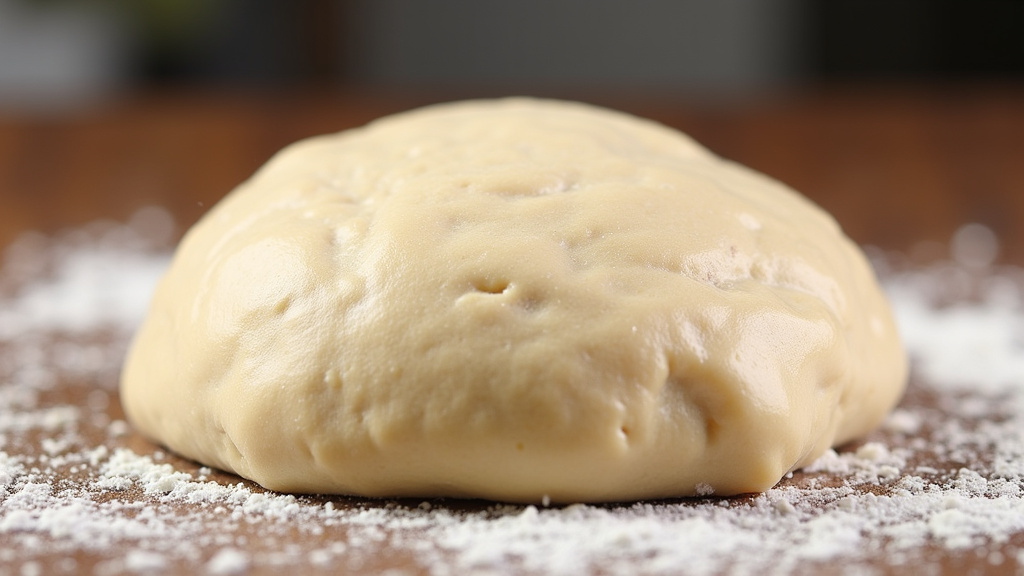
When you’re ready to make pizza, take the dough out of the refrigerator. Let it sit at room temperature for 1 to 2 hours. This tempering period is crucial. It allows the dough to warm up.
Cold dough is stiff and difficult to stretch. Warming it up makes it pliable and easier to work with. Don’t skip this step! You’ll thank yourself when you’re shaping your pizza base.
Troubleshooting Your Overnight Pizza Dough
Sometimes, things don’t go exactly as planned. Don’t worry; it happens to everyone! Here are a few common issues and how to address them.
What if My Dough Didn’t Rise Much in the Fridge?
A little rise in the fridge is normal. You don’t need a huge increase in size. The main work is happening slowly. If it looks exactly the same, your yeast might have been old. Or perhaps the fridge temperature was too cold. Aim for a slight puffiness. It should feel a bit softer.
My Dough is Too Sticky or Too Dry After Cold Ferment. What Happened?
Dough hydration can be tricky. If it’s too sticky, you might have used a bit too much water. Or, the flour you used absorbed less water than usual. Try adding a tiny bit more flour when you shape it.
If it’s too dry, you might need to add a little more water during the tempering phase. A splash of water on your hands can help. You can also gently work a tiny bit of water into the dough as it warms up. This is why using a container with a lid is important. It helps keep moisture in.
Can I Proof for Longer Than 3 Days?
You *can*, but it’s generally not recommended for beginners. After 3-4 days, the yeast is likely depleted. The dough might start to break down. You could end up with a mushy or sour-tasting dough. For the best results, stick to the 1-3 day window. Many experienced bakers will push it, but they know what to look for.
Your Overnight Pizza Dough Checklist
Ready to give it a try? Here’s a quick checklist to make sure you’re set up for success:
- Measure ingredients accurately.
- Knead dough until smooth and elastic.
- Allow initial rise at room temperature until puffy.
- Divide and store in airtight containers.
- Refrigerate for 24-72 hours.
- Temper dough at room temperature for 1-2 hours before baking.
Conclusion
You’ve learned that proofing pizza dough overnight, or a cold ferment, is absolutely achievable for any home baker. This slow fermentation dramatically enhances your pizza’s flavor and texture, creating a tender, airy crust that’s also easier to digest. By following the simple steps of an initial rise followed by refrigeration, you’re setting yourself up for a truly superior pizza experience. So, don’t hesitate to plan your next pizza night around this rewarding technique – your taste buds will thank you!
Frequently Asked Questions
How long should I cold ferment my pizza dough?
For most recipes, a cold ferment of 24 to 72 hours yields the best results. Many bakers find 48 hours offers a fantastic balance of flavor development and ease of preparation. While you can go longer, sticking within this window usually prevents the dough from becoming overly sour or breaking down.
Can I use any pizza dough recipe for an overnight proof?
Yes, most standard pizza dough recipes work well for an overnight proof. The key is the slow, cold fermentation process itself. You might find that recipes with a slightly higher hydration level benefit even more from the extended rest, becoming more extensible and flavorful.
What happens if I forget my dough in the fridge for too long?
If you forget your dough for too long, past 3-4 days, the yeast may become depleted. This can result in a dough that’s difficult to work with, tastes overly sour, or has a mushy texture when baked. It’s best to aim for the 1-3 day window for consistent results.
How do I know when my dough is ready to bake after tempering?
After tempering at room temperature for 1-2 hours, your dough should feel pliable and easy to stretch. It will be less stiff and cold. If it still feels too tight or resistant when you try to shape it, let it sit out for another 15-30 minutes.
Does overnight proofing really make a noticeable difference?
Absolutely! Most people find the difference in flavor and texture to be quite significant. The slow fermentation breaks down sugars and proteins, leading to a more complex taste and a crust that is both tender and slightly chewy. It’s one of the easiest ways to dramatically improve your homemade pizza.
