
Can You Learn to Preheat a Pizza Oven?
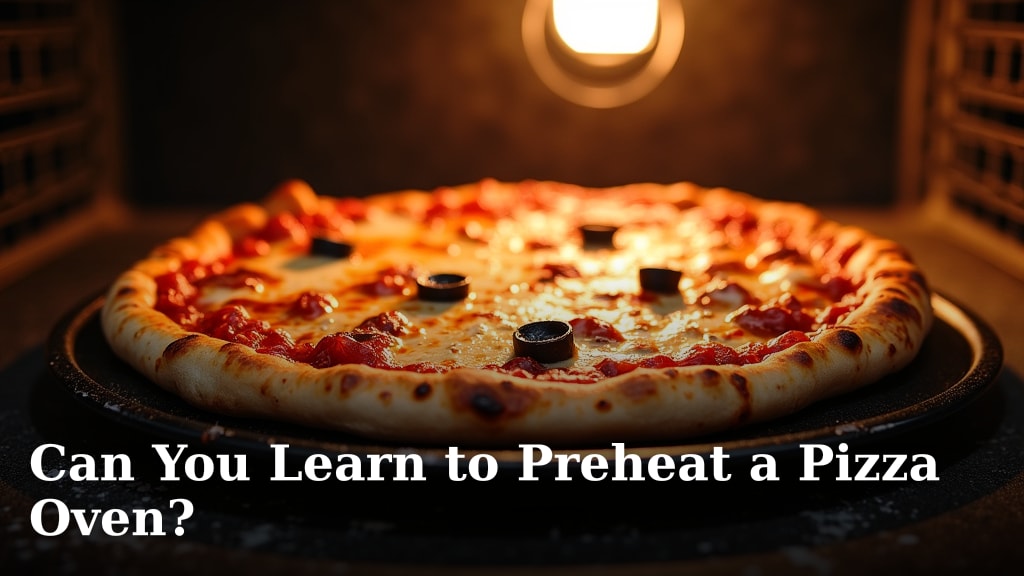
Yes, you can absolutely learn to preheat a pizza oven, and it’s a vital step for perfect pizza. We found that proper preheating ensures a crispy crust and evenly cooked toppings.
You want your pizza oven to reach a very high temperature before you even think about putting a pizza inside. This isn’t like baking a cake; precision matters for that authentic taste. Getting the oven hot enough is key to a quick and delicious cook.
- Preheating is essential for great pizza.
- High temperatures are needed.
- Avoid soggy crusts with proper heat.
- Different ovens need different times.
So, are you ready to master the heat? Let’s walk through exactly how to preheat your pizza oven for success.
Mastering the Art of Pizza Oven Preheat
You can absolutely become a master at preheating your pizza oven. It’s not just about getting it hot; it’s about getting it uniformly hot. This ensures every pizza you make has that perfect, crispy crust and perfectly cooked toppings you crave.
Think of it like heating a pan for a steak. You wouldn’t just throw the steak on a cold pan, right? The same goes for your pizza. Proper preheating builds the foundation for a delicious meal.
Why Preheating is Your Pizza’s Best Friend
We found that preheating is the most critical step in pizza making. It dictates the texture and flavor of your finished pizza. Skipping this step often leads to disappointment.
A properly preheated oven creates a thermal shock for your pizza. When the cold dough hits the super-hot stone, it immediately begins to crisp. This rapid cooking prevents a soggy bottom and gives you that delightful chewiness.
The Science Behind the Sizzle
Many experts explain that pizza ovens work by transferring heat in multiple ways. You have radiant heat from the dome, conductive heat from the baking surface, and convective heat from the circulating air (Pizza University & Culinary Arts Center).
When you preheat, you’re building up all three types of heat. This surrounds your pizza with intense, even warmth. It’s what gives pizza its unique, quick cook time and delicious char.
Essential Tools for Your Preheating Journey
You’ll need a few things to make sure your preheating is effective. These tools help you monitor and manage the heat. They take the guesswork out of the process.
- Infrared Thermometer: This is your best friend for checking stone temperature.
- Oven Door/Cover: Helps contain heat and speed up the process.
- Fuel (for wood-fired or gas ovens): Have enough on hand.
- Timer: To track preheating time accurately.
- Heat-Resistant Gloves: For safety when handling hot elements.
Having these items ready before you start saves time. It also makes the entire experience much smoother for you.
Understanding Different Pizza Oven Types
Not all pizza ovens are created equal. Each type has its own personality when it comes to preheating. Knowing your oven is key to mastering its heat. To help you decide which type is best for your needs, consider our comparison of a gas or wood pizza oven.
You might have a traditional wood-fired oven, a gas-powered model, or even a portable electric option. Each requires a slightly different approach to get to temperature.
Wood-Fired Pizza Ovens: The Traditional Heat
Wood-fired ovens are iconic for a reason. They impart a unique smoky flavor. But they also require the most active preheating.
You’ll need to build and manage a fire. This involves starting with kindling, adding larger logs, and letting the flames heat the dome. It’s a bit of an art form, but very rewarding.
The Wood-Fired Preheating Process
For a wood-fired oven, we found you typically start with a small fire in the center. Once it catches, you gradually move it to one side. This allows the dome to absorb heat evenly.
You’re looking for the black soot on the dome to burn off, turning white. This indicates your oven is getting hot enough. It’s a visual cue that tells you it’s almost time.
Many wood-fired oven users say it takes 60-90 minutes to properly preheat. This depends on the oven size and insulation (Forno Bravo).
Gas-Powered Pizza Ovens: Convenient Control
Gas ovens offer a lot of convenience. They heat up faster than wood-fired models. You also have more precise temperature control at your fingertips.
Just turn it on, set your desired temperature, and wait. It’s much simpler for a busy evening, isn’t it?
Gas Oven Preheating Steps
With a gas oven, you simply turn the burner to high. Close the door or cover. Then, wait for your stone to reach the target temperature.
We found that most gas ovens hit 750-900°F (399-482°C) on the stone in 15-30 minutes. An infrared thermometer is crucial here. Don’t just trust the oven’s built-in gauge for stone temperature.
Electric Pizza Ovens: Plug-and-Play Heat
Electric pizza ovens are fantastic for smaller spaces or indoor use. They are usually the quickest to preheat. Just plug them in and turn them on.
These ovens often come with a built-in stone. They are designed for ease of use. You don’t need to manage fuel or flames.
Electric Oven Warm-Up Time
Electric ovens typically preheat in 10-20 minutes. You might hear a fan or see an indicator light when it’s ready. Again, use that infrared thermometer to confirm the stone temperature.
They might not reach the extreme temperatures of wood or gas ovens. But they still get hot enough for excellent pizza at home. Discover the best electric pizza oven for home use to achieve excellent pizza results.
The Ideal Temperature and How to Measure It
So, how hot should your pizza oven really be? The magic range for most Neapolitan-style pizzas is between 750-950°F (399-510°C). This intense heat cooks a pizza in 60-90 seconds.
For New York-style or other larger pizzas, you might aim for a slightly lower temperature, perhaps 600-700°F (316-371°C). This allows for a longer cook time without burning.
Your Best Friend: The Infrared Thermometer
An infrared thermometer (often called a “temp gun”) is essential. It lets you measure the surface temperature of your pizza stone directly. Oven air thermometers don’t give you this critical reading.
Just point and shoot! It gives you an instant reading. This tool takes all the guesswork out of knowing if your stone is truly ready.
We found that checking multiple spots on the stone is best. You want an even heat distribution. If one spot is much cooler, give it more time.
Preheating Checklist for Perfect Pizza
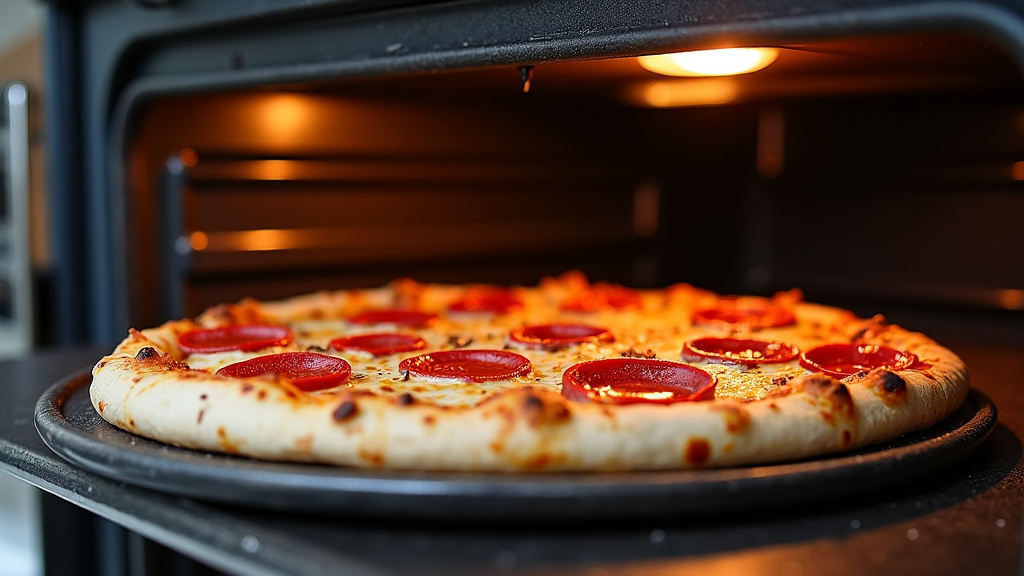
Before you even think about sliding that pizza in, run through this quick checklist. It helps ensure you haven’t missed any steps. This small routine will save you from soggy bottoms and undercooked toppings.
- Fuel Check: Do you have enough wood or gas?
- Oven Clean: Is the baking surface free of debris?
- Thermometer Ready: Is your infrared thermometer charged and within reach?
- Stone Hot Enough: Does your stone show the target temperature across its surface?
- Even Heat: Is the heat evenly distributed throughout the oven?
- Pizza Prep: Is your pizza ready to go in immediately?
Following these steps makes your pizza-making process efficient. It guarantees a consistently delicious result every time.
Troubleshooting Common Preheating Issues
Even with the best intentions, you might run into some preheating hiccups. Don’t worry, these are usually easy to fix. We’ve all been there!
Oven Not Getting Hot Enough
If your oven isn’t reaching the desired temperature, several factors could be at play. For wood-fired ovens, you might need more fuel or better airflow.
For gas ovens, check your fuel line or tank. Is it full? Is the valve fully open? For electric, ensure it’s plugged into a working outlet and the settings are correct.
Many users report that simply giving it more time can be the solution. Patience is a virtue, especially with pizza ovens.
Uneven Heat Distribution
Sometimes you’ll notice one part of your stone is much hotter than another. This often happens in wood-fired ovens if the fire isn’t managed well.
Try rotating the fire or allowing the oven to “soak” the heat for longer. For gas ovens, check for any blocked burners. With electric, sometimes rotating the pizza mid-cook helps even things out.
Your infrared thermometer will be invaluable here. It shows you exactly where the cold spots are. You can then direct heat to those areas.
Pizza Burning or Undercooking
If your pizza burns quickly, your oven might be too hot. Pull it out, let it cool for a few minutes, then re-check the stone temperature. Adjust your heat source as needed.
If it’s undercooking or getting soggy, your oven is likely not hot enough. Add more fuel, increase the gas, or wait longer. The goal is that perfect balance.
Remember, pizza making is a journey of learning. Each oven has its quirks. You’ll get better with every pizza you make!
Conclusion
You’ve seen that mastering the art of preheating your pizza oven is genuinely achievable. It’s the secret ingredient for that perfect, crispy crust and uniformly cooked pizza. Whether you have a wood-fired, gas, or electric oven, understanding its unique preheating rhythm makes all the difference. We encourage you to embrace your infrared thermometer and practice patience.
By applying these steps, you’ll consistently achieve restaurant-quality results right in your backyard. So, go ahead and confidently fire up your oven, knowing you’re building the foundation for an unforgettable pizza experience. Your delicious next pizza awaits!
Frequently Asked Questions
How do I know when my pizza oven stone is hot enough?
The best way to know is by using an infrared thermometer. Point it directly at the baking surface in several spots. You’re aiming for a consistent temperature across the stone, typically between 750-950°F for most pizzas.
Can I preheat a pizza oven too much?
Yes, you can. If your oven stone gets excessively hot, your pizza crust might burn before the toppings are cooked through. If your thermometer reads above your target, let the oven cool slightly before launching your pizza.
Is it okay to put a pizza in a cold oven?
No, you should never put a pizza in a cold or insufficiently preheated oven. This will result in a soggy, undercooked crust because the oven lacks the intense heat needed for a quick and crispy cook.
Does opening the oven door affect preheating time?
Yes, opening the oven door frequently will cause heat to escape, significantly extending your preheating time. Keep the door closed as much as possible to retain heat and get your oven to temperature faster.
My pizza oven is smoking a lot during preheating. Is that normal?
If you have a wood-fired oven, some smoke is normal, especially as the fire gets started. However, excessive, dark smoke might mean your wood isn’t burning efficiently or you have poor airflow. Ensure your wood is dry and you have good oxygen flow.
