
Can You Learn to Cook Steak in a Pizza Oven?

Yes, you absolutely can learn to cook steak in a pizza oven, and it can yield incredibly delicious results. These ovens reach high temperatures quickly, perfect for searing steak and creating a beautiful crust while keeping the inside tender and juicy. You might be surprised at how well your pizza oven handles a good cut of beef.
When you think about cooking steak, you probably picture a grill or a cast-iron skillet. But a pizza oven offers a unique advantage: intense, even heat. This allows for a very fast cook, minimizing the chance of overcooking and ensuring a fantastic sear. Many home cooks are finding that pizza ovens are a surprisingly versatile tool for more than just pizza, and steak is a prime example.
- Pizza ovens can cook steak very well.
- They get hot fast for a great sear.
- You can achieve juicy interiors and crusty exteriors.
- It’s a versatile cooking method beyond just pizza.
Ready to transform your steak game? Let’s walk through exactly how to get that perfect steak cooked in your pizza oven, step by step.
Mastering Steak in Your Pizza Oven
You can absolutely cook a fantastic steak in your pizza oven. It might seem a bit unconventional, but the intense heat is actually perfect for searing. This method can give you a restaurant-quality steak right in your backyard. Many cooks are discovering this isn’t just for pizza.
Understanding Pizza Oven Heat for Steak
Pizza ovens reach extremely high temperatures very quickly. We’re talking 700°F to 900°F or even higher. This intense heat is key to getting that perfect steak. It creates a beautiful, crispy crust on the outside. At the same time, it cooks the inside quickly, keeping it wonderfully **juicy and tender**. Think of it like a super-powered broiler or grill.
The Sear: Your Steak’s Best Friend
The magic of a pizza oven for steak lies in the sear. When the steak hits that blistering hot surface, the Maillard reaction kicks into high gear. This is the chemical process responsible for browning. It creates hundreds of flavor compounds. You get that delicious, complex taste and aroma you expect from a great steak. It also forms a protective crust. This helps lock in the juices. Research shows high-heat searing is essential for steak flavor development (NCBI).
Achieving the Perfect Doneness
Cooking steak in a pizza oven is fast. This means you need to be attentive. It’s easy to go from perfectly medium-rare to well-done in a minute or two. You’ll want to use a reliable meat thermometer. This is your best tool for accuracy. The internal temperature is the surest way to know your steak’s doneness. We found that aiming for your target temperature a few degrees below is wise, as the steak will continue to cook after you remove it (carryover cooking).
Choosing the Right Steak for Pizza Oven Cooking
Not all cuts are created equal for this high-heat method. Thicker cuts tend to perform best. They can withstand the intense heat without overcooking too quickly. You want a steak that’s at least 1.5 inches thick. This gives you a buffer.
Recommended Steak Cuts
- Ribeye: Richly marbled, very forgiving and flavorful.
- New York Strip: Good marbling and a great balance of tenderness and flavor.
- Filet Mignon (Tenderloin): Very tender, but leaner. Watch closely to avoid drying out.
- Sirloin: A good, flavorful option that’s usually more affordable.
Why Thickness Matters
A thicker steak provides more insulation. The outside can sear beautifully while the inside slowly reaches the desired temperature. A thinner steak might cook through completely before you even get a good crust. You’ll end up with a more uniformly cooked steak, but less of that desirable sear contrast. Many culinary experts recommend thicker cuts for high-heat cooking methods like this.
Preparing Your Steak for the Oven
Proper preparation is key to a great outcome. It sets your steak up for success in the intense heat.
Seasoning Strategy
Keep it simple. Salt and pepper are your best friends here. Generous amounts of coarse salt (like kosher salt) are essential. They help create that beautiful crust. Apply salt right before cooking. For pepper, you can add it before or after. Some find pepper can burn at very high pizza oven temps. Others love the spiced crust it creates.
Bringing Steak to Room Temperature
This is a crucial step. We found that letting your steak sit out for 30-60 minutes before cooking helps it cook more evenly. A cold steak hits the hot oven floor and the outside cooks much faster than the inside. Bringing it closer to room temperature ensures a more uniform cook from edge to center. Guidelines from food safety organizations suggest not leaving meat out for more than two hours at room temperature (CDC).
Optional: Marinades and Rubs
If you love marinades or rubs, use them wisely. Avoid marinades with a lot of sugar. Sugar can burn very quickly at pizza oven temperatures. This can lead to excessive charring. Simple oil-based marinades or dry rubs work well. Apply them right before cooking, similar to your salt and pepper.
The Cooking Process: Step-by-Step
Now for the exciting part! Getting that steak into the oven.
Preheating Your Pizza Oven
You need your pizza oven screaming hot. Aim for 700°F to 900°F. Let it preheat for at least 30-60 minutes. The floor of the oven needs to be thoroughly heated. This ensures a good sear from the moment the steak hits the surface. A properly heated floor is non-negotiable for a great steak. You need your pizza oven screaming hot; learn the safest way to preheat for optimal results.
Placing the Steak in the Oven
Use a pizza peel to carefully slide the steak onto the hottest part of the oven floor. This is usually the center. Make sure you have enough space. You don’t want the steak touching the sides or the flame directly if you can avoid it, especially if you have a wood-fired oven.
Flipping and Monitoring
Cook for about 2-4 minutes per side for medium-rare. This time will vary based on your oven’s temperature and steak thickness. Use tongs or your pizza peel to carefully flip the steak. Check the internal temperature with a meat thermometer frequently. For medium-rare, aim for around 130-135°F. For medium, 135-140°F. Remember that carryover cooking will raise the temperature.
Resting Your Steak
This is arguably as important as the cooking itself. Once your steak reaches your desired temperature, remove it from the oven immediately. Place it on a cutting board or a warm plate. Tent it loosely with foil. Let it rest for 5-10 minutes. This allows the juices to redistribute throughout the meat. Skipping this step will result in a dry steak when you cut into it.
Troubleshooting Common Pizza Oven Steak Issues
Even with the best intentions, things can go awry. Here are some common problems and how to fix them.
Steak is Burning on the Outside, Raw Inside
This usually means your oven is too hot, or you’re cooking for too long without flipping. Try lowering the oven temperature slightly if possible. Ensure you’re flipping the steak every couple of minutes. Also, make sure your steak isn’t too thin.
Steak is Dry and Tough
This could be due to overcooking or not resting the steak. Use that meat thermometer diligently! And don’t skip the resting period. Letting the steak rest is vital for moisture retention.
Uneven Cooking
This can happen if your oven has hot spots or if the steak wasn’t at room temperature. Try rotating the steak halfway through the cooking time. A well-preheated and even oven floor helps prevent this.
Pizza Oven Steak Checklist for Success
Here’s a quick rundown to ensure your steak cooking adventure is a hit:
- Choose a thick-cut steak (1.5 inches or more).
- Bring steak to room temperature for 30-60 minutes.
- Generously season with coarse salt and pepper.
- Preheat oven thoroughly to 700°F-900°F.
- Use a meat thermometer for precise doneness.
- Rest your steak for 5-10 minutes after cooking.
Conclusion
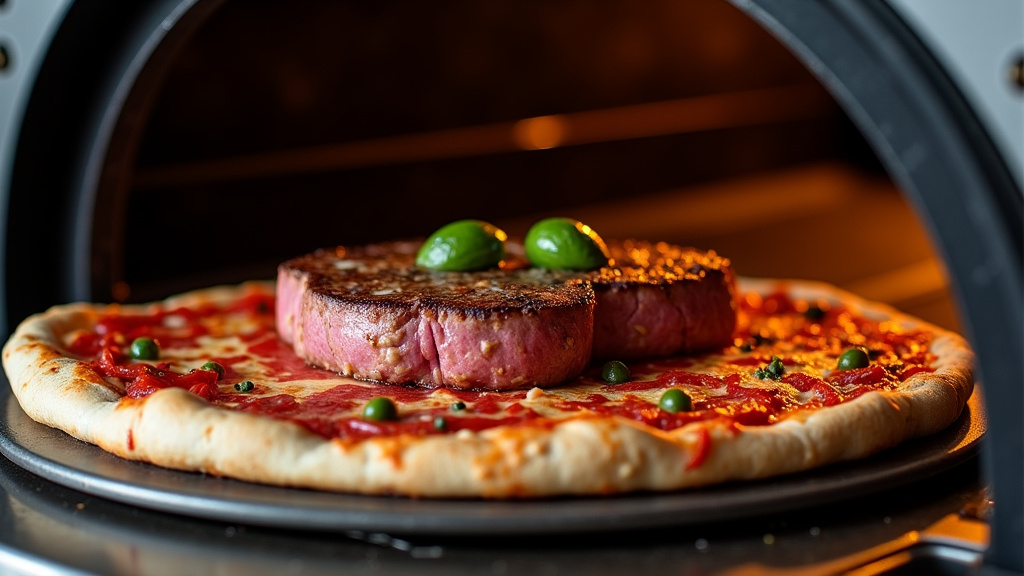
You now have the knowledge to cook an amazing steak right in your pizza oven. We’ve seen how its high heat creates that perfect sear and juicy interior. Remember to choose thick cuts, season them well, and pay close attention to temperature. Don’t forget the essential resting period after cooking. Your pizza oven is more versatile than you think, and this steak method is a fantastic way to prove it. So, fire up that oven and get ready for your best steak yet!
Frequently Asked Questions
What’s the biggest difference between cooking steak on a grill vs. a pizza oven?
The main difference is the heat intensity and type. Pizza ovens provide extremely high, direct, radiant heat from all sides, creating a faster, more intense sear. Grills typically offer more controllable heat zones, often from below, allowing for longer cooking times and different sear profiles.
Can I use a gas pizza oven for steak, or does it have to be wood-fired?
Both gas and wood-fired pizza ovens can cook steak effectively. Gas ovens offer consistent, easy-to-control high temperatures, while wood-fired ovens can impart a subtle smoky flavor. The key for both is reaching and maintaining very high temperatures (700°F+). Both gas and wood-fired pizza ovens can cook steak effectively; our guide explains the differences.
How do I prevent flare-ups when cooking steak in a pizza oven?
Flare-ups can happen if there’s too much fat dripping onto the direct heat. Pat your steak very dry before cooking and consider trimming excess fat. If you’re using marinades, avoid ones with high sugar content, as sugar burns easily and causes flare-ups.
Is it okay to cook thinner steaks in a pizza oven?
While thicker steaks are generally recommended for better results, you can cook thinner steaks. You’ll just need to be much quicker and more attentive. Expect a cook time of maybe 1-2 minutes per side, and use your thermometer religiously to avoid overcooking the interior.
What if my pizza oven doesn’t get as hot as recommended?
If your oven struggles to reach 700°F or higher, you can still cook a steak, but the results will be different. You’ll likely get less of a char and a more evenly cooked steak, similar to a very hot cast-iron pan. Focus on preheating thoroughly and managing your heat zones carefully.
