
Can You Learn to Cook Frozen Pizza in a Pizza Oven?

Yes, you absolutely can learn to cook frozen pizza in a pizza oven! In fact, pizza ovens are fantastic for making frozen pizzas taste Yes, you absolutely can learn to use a pizza oven for the first time, even if you’re a beginner.way better than your regular oven. You’ll get a crispier crust and perfectly melted toppings with a little bit of know-how. It’s a simple way to upgrade your pizza night.
Many people wonder if they need a special pizza, but most store-bought frozen pizzas work beautifully. The high heat of a pizza oven cooks them much faster. This helps prevent the dreaded soggy bottom and ensures a delicious, restaurant-quality result right in your backyard. It’s a real game-changer for frozen pizza fans.
- Pizza ovens are great for frozen pizza.
- You’ll get a crispier crust.
- Most store-bought pizzas work well.
- High heat cooks them faster and better.
- It’s an easy way to enjoy better pizza.
So, are you ready to make your frozen pizza dreams a reality? Let’s walk through exactly how to get the best results from your pizza oven with your favorite frozen pie.
“`htmlMastering Frozen Pizza in Your Pizza Oven
You’ve got a pizza oven, and you’ve got a frozen pizza. Can they be friends? The answer is a resounding yes! Using a pizza oven for your frozen pies is a brilliant way to get a **superior crust** and perfectly cooked toppings. Forget the often-soggy results from your home oven. Your pizza oven is designed for high heat and quick cooking. This is exactly what frozen pizzas need to shine.
Why Your Pizza Oven is a Frozen Pizza’s Best Friend
Pizza ovens are built for one thing: making amazing pizza. They reach temperatures far higher than a standard kitchen oven. Think 700°F to over 1000°F. This intense heat cooks pizza incredibly fast. For frozen pizzas, this is a **game-changer**. It means the crust gets nice and crispy before the toppings can overcook or get watery.
The Science Behind the Crisp Crust
A hot oven creates something called “oven spring.” This is when the dough rapidly expands due to the heat. A pizza oven’s radiant heat and intense bottom heat are perfect for this. They blast the pizza from all sides. This rapid cooking helps the moisture in the dough escape quickly. The result is a **crispy, airy crust** instead of a dense, soft one. It’s a noticeable difference.
Avoiding the Soggy Bottom Blues
One of the biggest complaints about frozen pizza is the dreaded soggy bottom. This happens when the oven isn’t hot enough. The ice and moisture in the frozen pizza don’t have enough heat to evaporate quickly. They just steam the bottom crust. A pizza oven’s high heat melts the ice fast. It then sears the bottom, creating a firm, delicious base.
Choosing the Right Frozen Pizza for Your Oven
Not all frozen pizzas are created equal. While most will do well, some are better suited for the intense heat of a pizza oven. Look for pizzas with a **thicker crust**. Thin crusts can sometimes burn too quickly in a very hot oven. Also, consider pizzas with fewer, drier toppings. Very wet toppings can still release moisture, even in a hot oven.
What to Look For on the Packaging
Check the baking instructions. While you’ll ignore the home oven temperatures, the cooking time can be a clue. If a pizza normally takes 20-30 minutes in a home oven, it will cook much faster in a pizza oven. Many experts recommend looking for pizzas that already have a relatively short cooking time for their category (FoodNetwork).
Pre-Made vs. DIY Frozen Pizzas
You can buy ready-made frozen pizzas from the grocery store. You can also freeze your own homemade pizzas. If you freeze your own, make sure to flash-freeze the toppings first. This prevents them from sliding off. It also helps manage moisture. Both types can yield **great results** in a pizza oven.
Prepping Your Frozen Pizza for the Oven
This is where the magic begins. You’ll want to do a little prep work. It’s not complicated, but it makes a big difference. Your pizza oven might be a wood-fired, gas, or electric model. The general principles remain the same, but always check your oven’s specific manual.
The Crucial Step: Bringing the Pizza to Room Temperature
Never put a rock-solid frozen pizza directly into a scorching hot oven. We found that letting your pizza sit out for 15-20 minutes is key. This helps the center thaw slightly. It ensures more even cooking. Imagine putting an ice cube into a hot pan – it splatters and doesn’t cook well. A slightly thawed pizza behaves much better.
Dealing with Excess Ice and Moisture
Before you let it thaw, sometimes you’ll see ice crystals on the pizza. Gently pat these off with a paper towel. Too much moisture is your enemy here. Also, check the bottom of the pizza. If it looks overly wet after thawing, gently dab it dry. This small step **prevents steam** and promotes crispiness.
Adding Your Own Toppings (Optional but Recommended!)
Want to take your frozen pizza to the next level? This is the time to add fresh toppings! A pizza oven’s high heat is perfect for quickly cooking fresh ingredients. Add some extra cheese, fresh basil, or even some pre-cooked meats. Just don’t overload it. Too many toppings can make the pizza cook unevenly. Keep it relatively light for the best results.
Navigating the Heat: Pizza Oven Temperatures and Timing
This is perhaps the most important part of cooking frozen pizza in a pizza oven. You need to manage the heat correctly. Too hot, and you’ll burn the crust. Too cool, and you’ll get that soggy bottom again.
Finding the Sweet Spot: Ideal Oven Temperatures
For most frozen pizzas, a temperature between 550°F and 700°F (290°C – 370°C) is ideal. You want the oven to be fully preheated. This ensures the pizza stone or deck is hot. Many pizza ovens have a temperature gauge. If yours doesn’t, you can use an infrared thermometer. We found that aiming for the lower end of this range is safer when you’re starting out.
How Long Does Frozen Pizza Take in a Pizza Oven?
Prepare for a quick bake! Frozen pizzas typically cook in a pizza oven in **5 to 10 minutes**. Yes, that fast! The exact time depends on your oven’s temperature, the pizza’s thickness, and the toppings. Keep a close eye on it. You’re looking for a golden-brown crust and bubbly, melted cheese.
Techniques for Even Cooking
As your pizza cooks, you’ll need to rotate it. This is especially true for wood-fired or gas ovens where the heat might be more intense on one side. Use a pizza peel to turn the pizza about halfway through cooking. This ensures all sides get evenly browned. Many experts suggest rotating it 180 degrees. Then, rotate it again if needed (Serious Eats).
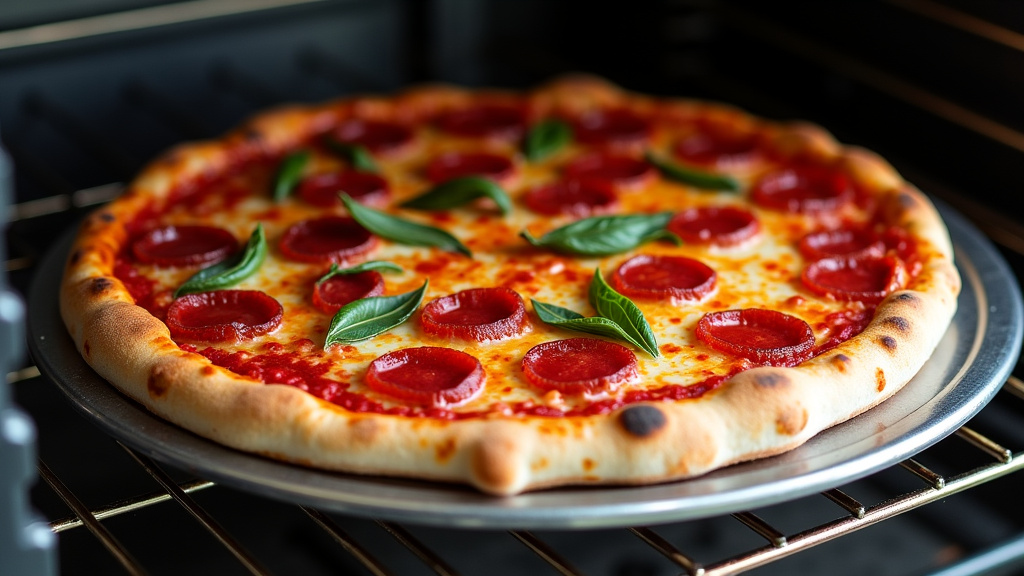
Tips for the Perfect Frozen Pizza Bake
Here are some quick tips to help you achieve pizza perfection. These are based on common best practices we’ve found.
- Preheat thoroughly: Give your oven at least 30-45 minutes to heat up.
- Use a pizza stone or steel: This helps distribute heat evenly.
- Keep it simple: Don’t overload with toppings.
- Watch it like a hawk: Cooking times are short!
- Rotate for evenness: Turn the pizza at least once.
- Let it rest briefly: A minute or two off the heat before slicing helps.
Common Pitfalls and How to Avoid Them
Even with the best intentions, things can go wrong. Here are a few common issues and how to fix them.
The Crust is Burnt, But the Toppings Aren’t Cooked
This usually means your oven is too hot, or you’re cooking too close to the heat source. Try reducing the oven temperature slightly. If using a wood-fired oven, let the fire die down a bit. Make sure you’re cooking on the pizza stone, not too close to the flame. Rotating the pizza more frequently can also help.
The Bottom is Burnt, but the Top is Undercooked
This can happen if your pizza stone isn’t hot enough, or if the oven temperature is too low. Ensure your oven is fully preheated. If you have a gas oven, the flame might be too low. You might also be using a pizza that’s too thin or has too many wet toppings. Try a thicker crust next time.
The Pizza is Sticking to the Peel
This is frustrating! A lack of flour or cornmeal on your pizza peel is usually the culprit. Before placing the pizza on the peel, sprinkle it generously. Cornmeal adds a nice texture and helps the pizza slide off easily. Give the peel a little shake to ensure the pizza moves freely before launching it into the oven. We found that a good amount of cornmeal is key. A lack of flour or cornmeal on your pizza peel is usually the culprit.
Your Frozen Pizza Success Checklist
Ready to put your knowledge to the test? Follow this simple checklist for your next frozen pizza adventure:
- Check oven preheat: Is it at your target temperature?
- Prep pizza: Thawed slightly, patted dry?
- Peel dusted: Generous flour or cornmeal?
- Launch carefully: Smooth transfer to the oven?
- Rotate halfway: Ensure even browning?
- Monitor closely: Ready to remove when golden?
Conclusion
You’ve learned that cooking frozen pizza in a pizza oven isn’t just possible – it’s a fantastic way to get **superior results**. By understanding your oven’s heat and doing a little prep, you can transform a basic frozen pie into something truly special. Forget soggy crusts and unevenly cooked toppings. Your pizza oven is your secret weapon for a quick, delicious, and crispy pizza night. So, preheat that oven, grab your favorite frozen pizza, and get ready to enjoy a pizza experience you didn’t think was possible!
Frequently Asked Questions
Can I put a frozen pizza directly from the freezer into the pizza oven?
No, it’s best to let your frozen pizza thaw for about 15-20 minutes before putting it in the oven. This slight thawing helps the pizza cook more evenly and prevents the center from remaining cold while the edges burn.
Do I need a special pizza stone for frozen pizza in a pizza oven?
While not strictly required, using a pizza stone or steel is highly recommended. It helps distribute heat evenly to the bottom of the pizza, ensuring a crispier crust and preventing the dreaded soggy bottom.
What kind of frozen pizzas work best in a pizza oven?
Pizzas with a thicker crust tend to do better as they are less likely to burn too quickly. Also, consider pizzas with fewer, drier toppings. Overly wet toppings can still release moisture that might affect crispiness, even in a hot oven.
How do I prevent my frozen pizza from sticking to the pizza peel?
Generously dust your pizza peel with flour or cornmeal before placing the thawed pizza on it. Cornmeal also adds a nice texture and helps the pizza slide off smoothly into the hot oven.
Is it okay to add extra toppings to a frozen pizza before cooking it in a pizza oven?
Yes, you absolutely can! Adding fresh toppings like extra cheese or herbs can really elevate your frozen pizza. Just be mindful not to overload it, as too many toppings can lead to uneven cooking and a soggy center.
