
How to Stop Pizza Sticking to a Peel?
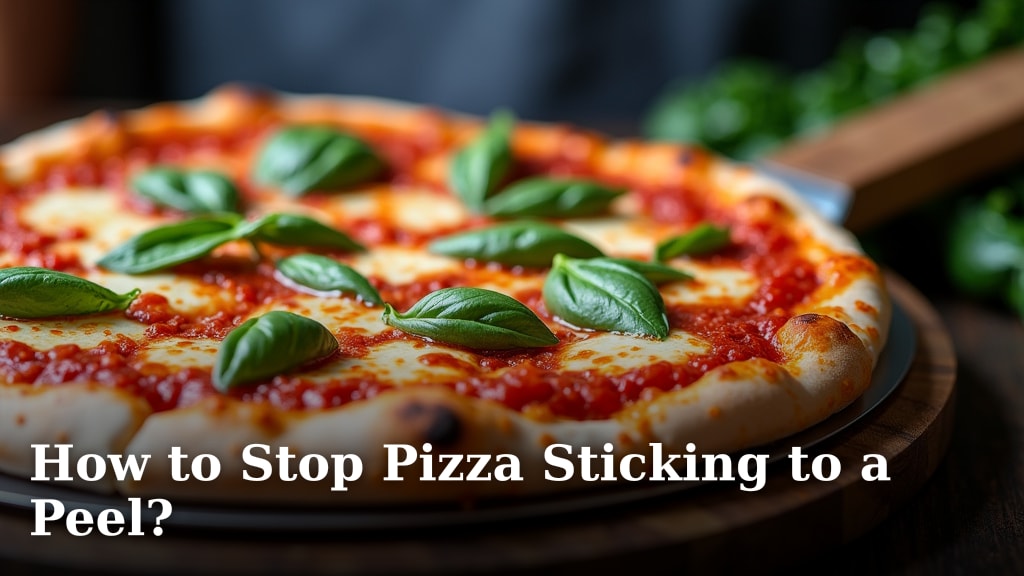
To stop pizza sticking to a peel, dust your peel generously with semolina flour or fine cornmeal before placing your dough. This creates tiny ball bearings that let the pizza slide easily into your hot oven. It’s a simple trick that works wonders every time.
There’s nothing worse than a beautiful pizza stuck to your peel, right? You’ve prepped your dough and toppings, only for it to turn into a crumpled mess. We know this frustration. It happens to the best of us, turning pizza night into a stressful wrestling match instead of a fun food adventure. We found that the right prep is key to success.
- Dust your peel with semolina or cornmeal.
- Ensure your dough isn’t too sticky.
- Don’t overload your pizza with toppings.
- Work quickly once the dough is on the peel.
Let’s make sure your pizza launch is perfect every time. We’ll walk you through the best strategies to ensure your pizza slides effortlessly off the peel and into your oven.
Mastering the Art of the Perfect Pizza Launch
Preventing your pizza from sticking to the peel is simpler than you think. It’s all about creating a friction-free surface. Think of it like a tiny, edible slip-and-slide for your dough. We found that the right prep makes all the difference.
The Golden Rule: Dust Your Peel Generously
This is your first, best line of defense against sticking. A well-dusted peel provides a barrier. It allows the dough to move freely. You’ll thank yourself for this extra step.
Choosing Your Dusting Agent: Semolina vs. Cornmeal
What should you use? Most home cooks reach for semolina flour or fine cornmeal. Both work fantastically. They act like tiny ball bearings. We found both are excellent choices.
| Dusting Agent | Key Benefits | Considerations |
|---|---|---|
| Semolina Flour | Super fine texture, excellent lubricant, gives a crisp crust. | Can be harder to find than cornmeal, a bit pricier. |
| Fine Cornmeal | Readily available, affordable, prevents sticking well. Adds a hearty texture. | Coarser types might leave a slightly gritty texture if overused. |
Semolina flour is a bit finer. It creates a smooth, frictionless surface. Fine cornmeal adds a nice texture to the bottom of your crust. It’s really a matter of personal preference. We recommend having both on hand.
How Much to Use?
A light, even coat is key. You don’t want a mountain of cornmeal. Too much can burn in the oven. It can also change the taste of your pizza. Just enough to cover the peel surface. Many experts suggest a tablespoon or two, spread thinly (Cook’s Illustrated).
Optimizing Your Dough for a Smooth Release
A sticky dough is a stubborn dough. Even with dusting, a too-wet dough will cling. We found paying attention to your dough’s hydration is important. This effort helps a lot.
Controlling Dough Hydration
High-hydration doughs are delicious. They make a chewy crust. But they are also stickier. If you’re struggling, try a slightly lower hydration recipe. Or add a bit more flour during kneading. A well-floured work surface is always helpful. Handle your dough gently. Overworking can make it sticky.
The Power of a “Rest” for Your Dough
Once you’ve shaped your pizza, let it rest for a few minutes. This allows the gluten to relax. A relaxed dough is easier to maneuver. It’s also less likely to tear. This small break can prevent big headaches. Don’t rush this step. Patience helps a perfect launch.
Timing is Everything: Work Quickly and Confidently
Once your pizza is on the peel, time is precious. The longer it sits, the more it can stick. Moisture from the dough starts to absorb the dusting agent. This creates a gluey bond.
Assemble Your Pizza on the Peel Last
Don’t top your pizza on your counter. Then try to transfer it to the peel. That’s a recipe for disaster. Shape your dough. Put it on the dusted peel. Then add your sauce and toppings. This keeps handling to a minimum. We found this sequence works best.
Practice Your Launch Technique
A quick, decisive motion is best. Don’t hesitate. Give the peel a gentle shimmy. This confirms the pizza is loose. Then, tilt and slide. A confident push and pull. You want it to glide right off. Many professional pizzaiolos recommend practicing with an empty crust (Serious Eats).
Avoid Overloading Your Pizza (Less is More!)
We’ve all been there. “Just one more topping!” But a heavy pizza is a weak pizza. It’s harder to launch. It’s more prone to tearing. And it might stick like super glue.
The Problem with Too Many Toppings
Excess sauce and cheese add weight. They also release moisture. This moisture can be absorbed by your dough. It essentially “glues” your pizza to the peel. Think light and fresh. You want your pizza to be structurally sound.
Even Distribution Matters
Spread your sauce and toppings evenly. Don’t pile them up in the middle. Excessive weight makes the center gooey. It can tear when you launch it. A balanced pizza is a happy pizza. It’s also a much easier pizza to launch.
The Importance of a Dry Peel
Moisture is the enemy of a non-stick launch. A wet peel guarantees a sticky situation. Make sure your peel is completely dry before use. Even a little dampness can cause issues. We found this simple check often gets overlooked.
Cleaning and Storing Your Peel
After each use, clean your peel thoroughly. Scrape off any baked-on bits. Wash it with soap and water if needed. Make sure it dries completely before storing. Hang it up or lay it flat. Don’t store it in a damp area. A dry kitchen is a happy peel. This prevents any moisture from lingering.
Your Pizza Launch Checklist
Before you even think about putting dough on the peel, run through this quick mental checklist. It will save you from pizza-launch heartbreak. We found these steps ensure success.
- Is your peel thoroughly dry and clean?
- Have you dusted the peel generously with semolina or fine cornmeal?
- Is your dough manageable, not overly sticky?
- Are your toppings prepared and nearby, ready for quick assembly?
- Is your oven preheated to the correct temperature?
- Do you have a clear path to the oven for a smooth launch?
Following this checklist gives you the best chance for success. It builds confidence. It also ensures a delicious pizza, every time.
Conclusion
You’ve seen how simple steps can prevent pizza launch disasters. By generously dusting your peel with semolina or fine cornmeal, optimizing your dough’s hydration, and working quickly, you’ll gain confidence. Remember, less is often more with toppings, and a dry peel is your best friend. We found that these adjustments transform pizza night from stressful to successful. You now have the tools and knowledge to enjoy perfectly launched, delicious homemade pizza every time. Go ahead, bake with confidence!
Frequently Asked Questions
What if I don’t have semolina or cornmeal for dusting?
If you’re out of semolina or fine cornmeal, you can try using regular all-purpose flour in a pinch. However, it’s not ideal. All-purpose flour tends to absorb moisture from the dough more quickly. This increases the chances of sticking. We found semolina or cornmeal work best, but flour can be a temporary substitute.
Can I use parchment paper to launch pizza instead of a peel?
Yes, you can absolutely use parchment paper! It’s an excellent way to prevent sticking. Build your pizza directly on the parchment paper. Then, slide the paper and pizza onto your hot baking surface using a baking sheet or a peel. The parchment paper creates a barrier. Just remember to remove the paper after a few minutes of baking if you want a crispy bottom crust.
My pizza sometimes sticks to the baking stone/steel in the oven. How can I prevent this?
To prevent sticking to your baking stone or steel, ensure it’s fully preheated. A very hot surface helps prevent sticking. Also, make sure there’s enough dusting agent on the bottom of your pizza from the peel launch. Occasionally, a very wet dough can still stick. We also found using a perforated pizza pan can help air circulation.
How do professional pizzerias prevent sticking?
Professional pizzerias use very specific techniques. They often use specialized peels, sometimes made of wood or perforated metal, which help reduce friction. They also use a lot of semolina or cornmeal. Their doughs are often optimized for launch. High oven temperatures cook the crust quickly, setting it before it can stick. We found many of their tricks are adaptable to home use.
Does the type of pizza peel (wood vs. metal) make a difference in sticking?
Yes, the type of peel can influence sticking. Wooden peels tend to be more absorbent. They require less dusting than metal. They are often preferred for launching raw dough. Metal peels, especially thin ones, are great for rotating and retrieving cooked pizzas. However, they can be a bit trickier for raw dough launches. We found many home cooks prefer wood for launching and metal for turning.
