
What Do You Need to Make Neapolitan Pizza at Home?

You absolutely can make delicious Neapolitan pizza at home, and it’s not as complicated as you might think! The key is using the right ingredients and tools, like a high-heat oven, finely milled flour, and a pizza stone. Getting that authentic, chewy crust with a slightly charred exterior is totally achievable with a little preparation.
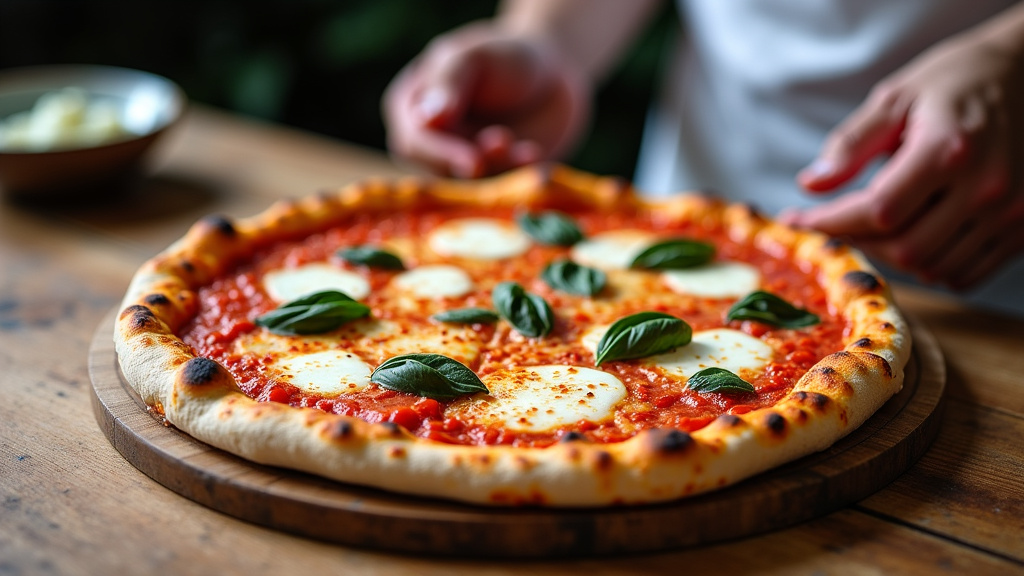
To nail that true Neapolitan style, think about the essentials: simple, high-quality toppings, and a very hot cooking surface. Many home cooks find that focusing on a perfect dough and the right cooking temperature makes all the difference. It’s about creating that signature leopard spotting and airy crust.
- High-heat oven is your best friend.
- Use finely milled “00” flour for the dough.
- A pizza stone or steel is a must-have.
- Simple, fresh toppings are best for authenticity.
- Mastering the dough is the biggest step.
Ready to transform your kitchen into an Italian pizzeria? Let’s get into exactly what you’ll need to create amazing Neapolitan pizza right in your own home.
“`htmlGathering Your Neapolitan Pizza Arsenal
Making authentic Neapolitan pizza at home is a rewarding adventure. You don’t need a professional brick oven to get started. We found that focusing on a few key items makes a world of difference. Let’s break down what you’ll need to achieve that perfect crust and flavor.
The Heart of the Heat: Your Oven
Neapolitan pizza demands high heat. It’s cooked quickly at temperatures between 800-900°F (425-480°C). This intense heat gives the crust its signature airy structure and leopard-spotted char. Your home oven can get close, though! Many standard ovens can reach 500-550°F (260-290°C). Your home oven can get close, though! Consider an indoor pizza oven for authentic results.
For the best results, you’ll want to maximize your oven’s heat. Research suggests preheating your oven to its highest setting for at least 45 minutes to an hour. This ensures the oven walls and cooking surface are thoroughly saturated with heat. Think of it as warming up a marathon runner before a race!
Oven Tweaks for Maximum Heat
Some home cooks find success using their oven’s broiler. You might strategically use the broiler for the last minute or two of baking. This helps create that delightful char on top. Just be careful not to burn your pizza! Always keep a close eye on it.
Your Pizza’s Foundation: The Dough Ingredients
The dough is the soul of Neapolitan pizza. It’s beautifully simple, relying on just a few high-quality ingredients. You won’t find any complex additions here. The focus is on purity and letting the ingredients shine.
Flour: The Essential Grain
The traditional flour for Neapolitan pizza is Italian “00” flour. This flour is finely milled and has a specific protein content. It’s softer than typical bread flour. We found that using “00” flour results in a tender, yet chewy crust. It’s the secret to that light, airy texture.
You can find “00” flour at specialty grocery stores or online. While you *can* use bread flour in a pinch, the texture won’t be quite the same. Think of it like using almond flour instead of all-purpose for a cake; the result is different.
Yeast: The Magic Bubbles
You’ll need active dry yeast or instant yeast. Both work well. A small amount is used, allowing for a slow fermentation. This slow rise develops flavor and texture. You only need about a teaspoon or two for a few pizzas.
Water and Salt: Simple Enhancers
Just plain water and fine sea salt are needed. Use filtered water if your tap water has a strong taste. The salt is crucial for flavor and controlling yeast activity. Don’t skimp on the salt; it’s more important than you might think for a balanced dough.
The Cooking Surface: Where the Magic Happens
A super hot cooking surface is non-negotiable for Neapolitan pizza. It mimics the intense heat of a wood-fired oven floor. Without it, you won’t get that essential crispy-chewy crust.
Pizza Stone: The Classic Choice
A pizza stone is a baker’s best friend for this type of pizza. It’s made from ceramic or cordierite. These materials absorb and radiate heat evenly. When preheated properly, it transfers heat directly to the dough base. This gives you that coveted crispy bottom.
Make sure to get a stone that fits your oven. Place it on the middle or lower rack. You’ll need to preheat it along with the oven for at least 30-60 minutes. Many guidelines suggest allowing ample time for the stone to truly heat up (Mayo Clinic).
Pizza Steel: The Speedy Alternative
Pizza steel is another excellent option. Steel conducts heat much faster than stone. This means shorter preheating times. It also transfers heat very efficiently, giving you a great crust. Some bakers prefer steel for its durability and faster cooking times. It can be a bit heavier, though.
Essential Tools for Pizza Assembly and Handling
Beyond the oven and cooking surface, a few simple tools make the process much smoother. They help you assemble, launch, and retrieve your pizza with ease.
Pizza Peel: Your Launch Pad
A pizza peel is a flat shovel-like tool. It’s used to slide your pizza onto the hot stone or steel. You’ll typically dust it with semolina flour or cornmeal. This prevents sticking. Wood peels are common for launching, while metal peels are good for retrieving. A pizza peel is a flat shovel-like tool used to slide your pizza onto the hot stone or steel.
The key is to work quickly once the pizza is assembled on the peel. A slow build-up of dough on the peel can lead to sticking. We found that a light dusting of flour and confident, quick movements are best.
Bench Scraper: Dough’s Best Friend
A bench scraper is surprisingly useful. You can use it to divide your dough balls. It also helps scrape up any sticky bits from your work surface. It’s a simple tool that makes dough handling much cleaner.
Infrared Thermometer: Precision Heat Check
An infrared thermometer is a chef’s secret weapon. It lets you quickly check the surface temperature of your pizza stone or steel. You want to ensure it’s reached that optimal high heat. This tool adds a layer of precision to your pizza-making.
Toppings: Simplicity is Key
Neapolitan pizza toppings are traditionally very simple. The focus is on fresh, high-quality ingredients. Overloading your pizza will prevent the crust from cooking properly. Less is truly more here.
The San Marzano Tomato Sauce
Authentic Neapolitan pizza uses a simple sauce made from San Marzano tomatoes. These are grown in the volcanic soil near Mount Vesuvius. They have a distinct sweet flavor and low acidity. You’ll typically crush them by hand or with a food mill. No cooking or heavy seasoning is needed.
You can often find canned whole San Marzano tomatoes. Just crush them, maybe add a pinch of salt, and you’re ready to go. This pure tomato flavor is a hallmark of the style.
Fresh Mozzarella: The Creamy Delight
Fresh mozzarella, specifically Fior di Latte (cow’s milk mozzarella) or Mozzarella di Bufala (buffalo milk mozzarella), is traditional. It’s soft and moist. Tear it into pieces rather than slicing it. This allows for even melting and distribution.
Fresh Basil and Olive Oil
A few fresh basil leaves add a wonderful aroma and flavor. A drizzle of extra virgin olive oil right before or after baking adds richness. That’s it! Some variations might include a sprinkle of hard cheese like Parmigiano-Reggiano.
Quick Checklist for Your Neapolitan Pizza Journey
Ready to get started? Here’s a quick rundown of your must-haves:
- Your oven set to its highest temperature.
- Finely milled “00” flour for your dough.
- Active dry or instant yeast.
- A quality pizza stone or steel.
- A pizza peel for launching your creation.
- High-quality San Marzano tomatoes and fresh mozzarella.
Understanding Dough Hydration
Dough hydration refers to the ratio of water to flour by weight. For Neapolitan pizza, the hydration level is typically around 60-65%. This means for every 100 grams of flour, you use 60-65 grams of water. Many experts suggest this range for a manageable yet airy dough (NCBI).
Getting the hydration right is a balance. Too much water can make the dough sticky and hard to handle. Too little water can result in a dense, dry crust. Practice will help you find your perfect sweet spot.
The Importance of Fermentation Time
Neapolitan dough relies on a long, slow fermentation. This allows the yeast to work its magic. It develops complex flavors and a lighter texture. Many recipes call for a cold fermentation in the refrigerator for 24-72 hours. This slow process breaks down the starches and proteins.
The longer fermentation also makes the dough easier to digest. Research from the American Society for Nutrition indicates that longer fermentation can improve digestibility (American Society for Nutrition). You’ll notice a difference in how you feel after eating pizza made with a well-fermented dough.
“`
Conclusion
You’re now equipped with the knowledge to make authentic Neapolitan pizza at home. Remember, the journey is about mastering the heat, perfecting your dough with quality ingredients like “00” flour, and keeping toppings simple. Don’t be afraid to experiment with your oven’s capabilities and that crucial pizza stone or steel. We found that the biggest difference comes from focusing on these core elements. Your next step is to gather your essential tools and start practicing. Soon, you’ll be enjoying delicious, homemade Neapolitan pizza!
Frequently Asked Questions
Can I use my regular oven for Neapolitan pizza?
Yes, you absolutely can! While home ovens don’t reach the extreme temperatures of a brick oven, preheating yours to its highest setting and using a pizza stone or steel can get you very close. Many home cooks also find success using their broiler for the final moments of baking to achieve that char.
What’s so special about “00” flour?
“00” flour is finely milled and has a specific protein content that results in a tender, yet chewy crust. It’s different from standard bread flour and is key to achieving that light, airy Neapolitan texture. You can usually find it at specialty grocery stores or online.
How important is a pizza stone or steel?
A pizza stone or steel is essential for Neapolitan pizza. It allows you to achieve the high cooking surface temperature needed to quickly cook the dough. This rapid heat transfer is what gives the crust its signature crisp bottom and airy structure.
Can I put more than just a few toppings on my pizza?
For authentic Neapolitan pizza, simplicity is key. Overloading your pizza can prevent the crust from cooking properly. The focus should be on a few high-quality ingredients like San Marzano tomatoes and fresh mozzarella to let the crust shine.
How long does Neapolitan pizza dough need to ferment?
Neapolitan dough benefits from a long, slow fermentation. This process develops flavor and improves texture. Many recipes recommend a cold fermentation in the refrigerator for 24 to 72 hours to achieve the best results.
