
What Do You Need to Turn Pizza in a Pizza Oven?

To turn pizza in a pizza oven, you primarily need a pizza peel, ideally one with a smaller, round head, for precise movements. This specialized tool allows you to rotate your pizza for an even cook.
When cooking pizza at high temperatures, even heat distribution is key for a perfectly browned crust. We found that having the right tools makes this process much simpler. You want to avoid burnt spots and achieve that beautiful, bubbly crust all around.
- A dedicated turning peel is best.
- It allows for small, precise rotations.
- Helps achieve even cooking.
- Protects your hands from intense heat.
Ready to master the art of turning pizza in your oven? Let’s walk through everything you need to know to get that perfect, evenly cooked pie every time.
Essential Tools for Rotating Pizza in Your Oven
To perfectly rotate your pizza in a hot oven, you need a specialized turning peel. This tool is different from your launching peel and is crucial for an even cook.
Without the right tool, you risk unevenly cooked crusts or even dropping your delicious creation. We found that investing in the correct equipment makes all the difference. For those new to pizza making, investing in the correct equipment, like the best metal pizza peel for beginners, can make all the difference.
The All-Important Turning Pizza Peel
A turning pizza peel is your primary tool for managing your pizza in the intense heat. It’s designed for precision and safety.
Unlike a large launching peel, a turning peel is smaller. It lets you make small, deliberate adjustments without removing the pizza completely from the oven. This helps keep the heat consistent.
Why a Dedicated Turning Peel?
You might wonder, “Can’t I just use my regular pizza peel?” While you can try, it’s not ideal. A large peel blocks more heat and can be clumsy for fine adjustments.
We found that a dedicated turning peel significantly improves your control. It helps prevent burnt spots on one side and undercooked areas on the other.
- Smaller head: Usually 7-9 inches in diameter, allowing access to tight spaces.
- Round shape: Better for sliding under the edge of a circular pizza.
- Long handle: Keeps your hands safely away from the oven’s high temperatures.
- Thin edge: Easily slides under the crust without damaging it.
Material Options for Turning Peels
Turning peels come in different materials. Each has its pros and cons, but we found metal is generally preferred for turning.
You’ll typically see stainless steel or aluminum. Both are excellent choices for their durability and thin profile.
- Metal (Stainless Steel/Aluminum):
- Very thin, slides under pizza easily.
- Durable and easy to clean.
- Excellent for precise turns.
- Wood:
- Usually thicker, making it harder to slide under.
- Can absorb moisture, leading to dough sticking.
- Less common for turning, more for launching.
Understanding the Role of Your Pizza Oven
Your pizza oven itself plays a big role in why turning is necessary. High heat is fantastic for pizza, but it creates unique challenges.
Pizza ovens get incredibly hot, much hotter than a standard kitchen oven. This intense heat cooks pizza very quickly, often in just a few minutes.
Hot Spots and Uneven Heat Distribution
Even the best pizza ovens can have hot spots. This means some areas inside the oven are hotter than others.
A common hot spot is often near the heat source, whether it’s a flame or an electric element. If your pizza stays in one spot, one side might cook faster than the other.
The Impact of Radiant vs. Convective Heat
Pizza ovens use a combination of radiant and convective heat. Radiant heat cooks the top of your pizza and gives it those beautiful charred bubbles (USDA). Convective heat helps cook the bottom and sides.
Because the heat often comes from one direction, turning is essential. It exposes all sides of your pizza to these different heat sources.
Here’s a quick comparison of how heat affects pizza in different oven types:
| Oven Type | Primary Heat Source | Why Turning is Crucial |
|---|---|---|
| Wood-Fired | Flame, hot stone | Flame often on one side, creating a very strong hot spot. |
| Gas-Powered | Gas burner, sometimes top/bottom. | Burner location can create uneven cooking zones. |
| Electric Countertop | Heating elements (top/bottom) | Often has stronger elements or less even heat distribution. |
Protective Gear for Your Hands
Working with an extremely hot pizza oven means protecting yourself. Your hands are especially vulnerable when turning pizza.
The heat inside a pizza oven can reach 700-900°F (370-480°C). That’s hot enough to cause severe burns very quickly (National Institutes of Health).
Heat-Resistant Gloves Are a Must
You need good quality, heat-resistant gloves. These are not your average kitchen mitts.
Look for gloves specifically rated for high temperatures. We found many options that can withstand heat up to 900°F or more.
- Long cuffs: Protect your forearms, not just your hands.
- Flexible material: Allows for good grip on your pizza peel.
- Silicone or leather: Common materials known for heat resistance.
Additional Helpful Accessories
While the turning peel and gloves are essential, a few other items can make your pizza-turning experience smoother.
These accessories aren’t strictly necessary for the act of turning, but they make the whole process much easier and safer.
Infrared Thermometer
Knowing your oven’s temperature is key. An infrared thermometer allows you to read the stone’s temperature accurately.
You can aim it directly at the baking stone or floor of your oven. This helps you identify hot spots and know when your oven is ready for the pizza (Consumer Reports).
Pizza Cutter or Rocker
Once your perfectly turned pizza is out of the oven, you’ll need to cut it. A sharp pizza cutter or rocker makes this quick and clean.
A good cut helps prevent toppings from sliding off and makes serving much easier.
Cooling Rack
A cooling rack isn’t just for baked goods. Letting your pizza rest on a wire rack for a minute or two after coming out of the oven can improve the crust.
It allows air to circulate, preventing the bottom crust from getting soggy from trapped steam.
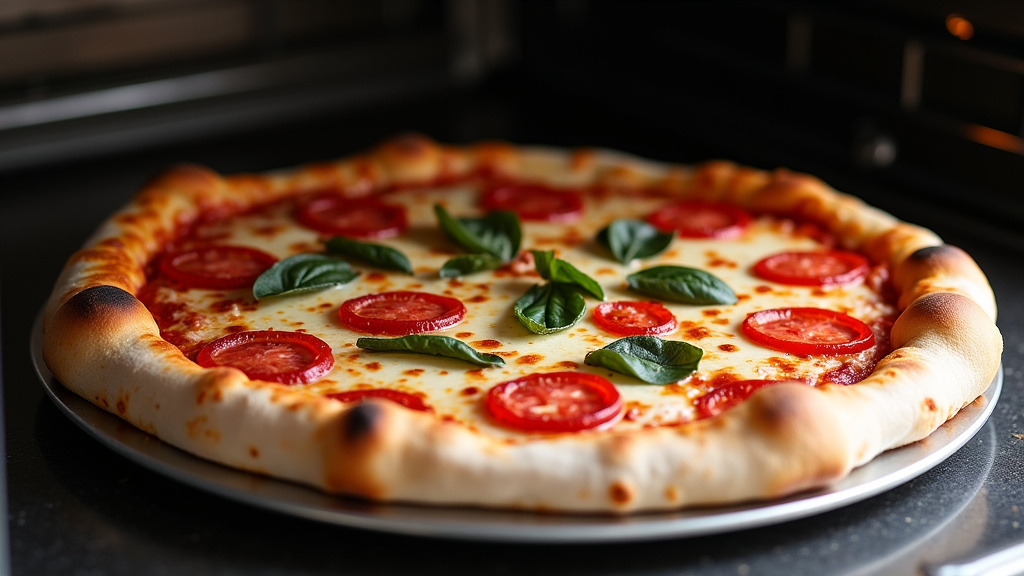
A Quick Checklist for Turning Your Pizza
Ready to get started? Here’s a brief checklist to ensure you have everything prepared before you launch your pizza into the oven:
- Dedicated small, round turning peel.
- Heat-resistant gloves for hand protection.
- Infrared thermometer for precise temperature readings.
- Pizza cutter or rocker for serving.
- Cooling rack for a crispy crust.
Mastering the Technique: Beyond the Tools
Having the right tools is the first step, but knowing how to use them is equally important. Turning your pizza is an art that you’ll perfect over time.
It’s like learning to drive a car; you need the car, but you also need to learn to steer, accelerate, and brake (DMV Handbook).
Starting with the Right Mindset
Don’t be afraid to practice. Your first few pizzas might not be perfect, and that’s okay. Every pizza is a learning opportunity.
Focus on small, controlled movements. The goal is gentle rotation, not a rapid spin.
Tips for Smooth Turning
We found a few tips that can really help you achieve perfect rotations.
- Keep the peel angled: Slide the peel under the pizza with a slight downward angle.
- Lift gently: Just enough to free the pizza from the stone.
- Rotate in small increments: Quarter turns are often best. This lets you inspect each part of the crust.
- Don’t rush: High heat means quick cooking, but turning needs a calm hand.
Remember, the goal is to expose all parts of your pizza to the oven’s intense, often uneven, heat. This creates that beautiful, evenly cooked crust you crave.
Conclusion
Mastering pizza turning in your oven is all about having the right tools and a bit of practice. You need a dedicated turning peel for precise movements and heat-resistant gloves to keep your hands safe from extreme temperatures. We found that these essentials, combined with understanding your oven’s hot spots, make a huge difference.
Don’t forget an infrared thermometer to gauge your stone’s temperature accurately. With the right gear and a calm, deliberate approach, you’ll be making perfectly cooked pizzas with beautiful, even crusts. Go ahead, give it a try, and enjoy the delicious results!
Frequently Asked Questions
Can I use my regular pizza peel for turning?
While you technically can, it’s not ideal. Your larger launching peel can be clumsy for small adjustments and block heat. We recommend a dedicated turning peel for better control and even cooking.
What’s the best material for a turning pizza peel?
Metal, like stainless steel or aluminum, is generally preferred for turning peels. Its thin profile slides easily under the pizza, and it’s durable and easy to clean. Wood peels are often too thick for precise turns.
How do heat-resistant gloves help when turning pizza?
Pizza ovens get extremely hot, often 700-900°F. Heat-resistant gloves protect your hands and forearms from severe burns. They allow you to work safely and confidently near the intense heat source.
Why is an infrared thermometer important for turning pizza?
An infrared thermometer helps you accurately read the temperature of your oven’s baking stone. This lets you identify hot spots and ensures your oven is at the optimal temperature before and during cooking, guiding your turning strategy.
How often should I turn my pizza in the oven?
The frequency depends on your oven’s hot spots and how quickly your pizza is cooking. Generally, you’ll want to make small quarter turns every 30 seconds to a minute. Keep an eye on the crust for even browning.
