
Can You Learn to Light a Wood Fired Pizza Oven?
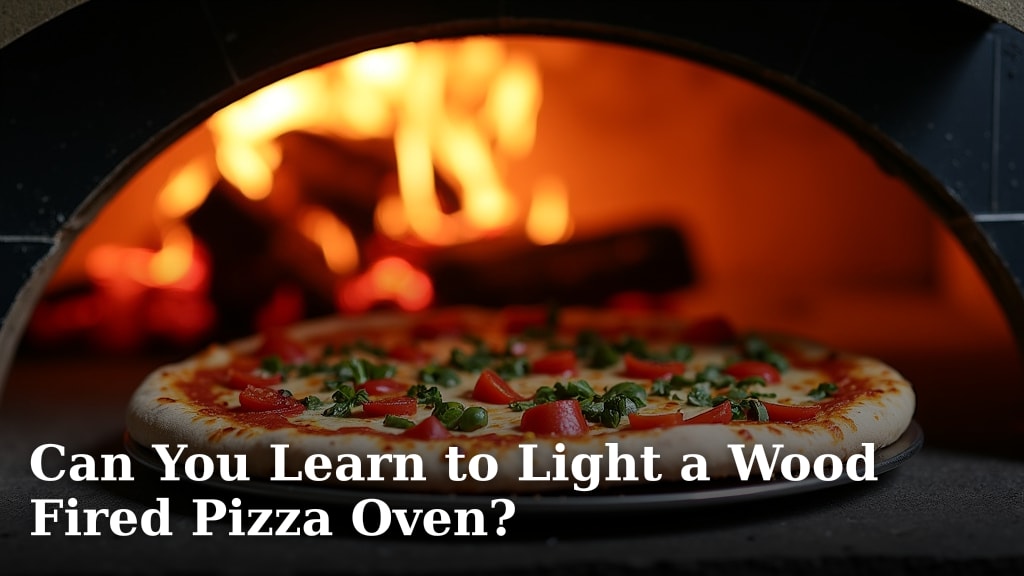
Yes, you can absolutely learn to light a wood-fired pizza oven. It takes a little practice to get the hang of it, but it’s a skill anyone can master with the right approach. Don’t worry, it’s not as hard as it might seem at first.
Many people think lighting a wood-fired oven is complicated, but it’s really about understanding a few basic principles. You’ll want to learn about wood type, fire starting methods, and heat management. Soon, you’ll be cooking delicious pizzas like a pro.
- Wood-fired ovens are easy to learn.
- Practice helps you master the skill.
- Knowing about wood types is important.
- Proper fire starting is key.
- Heat management makes great pizzas.
Ready to get started? Below, we break down everything you need to know about lighting your wood-fired pizza oven safely and effectively.
Mastering the Art of Lighting Your Wood-Fired Pizza Oven
You’re ready to light your oven, and that’s fantastic! Learning this skill means enjoying crispy, delicious pizzas right in your backyard. It’s a fun process, and with a little guidance, you’ll be an expert in no time.
Many first-timers worry about getting the fire started. Don’t sweat it. We’ll walk you through each step. Think of it as building a campfire, but with a delicious purpose.
Understanding Your Wood-Fired Oven: A Quick Anatomy Lesson
Before you light a single piece of wood, let’s quickly review your oven. Knowing its parts helps you understand how the fire works. You’ll generally find a dome, a hearth, and an opening.
The dome reflects heat down onto your pizza. The hearth is the cooking surface. The opening is where you manage the fire and place your food. Some ovens also have a chimney or flue for smoke.
The Science Behind the Heat
How does a wood-fired oven get so hot? It’s a combination of three types of heat. There’s convection from the hot air circulating. There’s conduction from the hot hearth. And there’s radiant heat from the flames and hot dome (National Fire Protection Association).
Mastering these heat sources is key to perfect pizzas. You want a consistent, high temperature. This balance creates that signature blistered crust we all love.
Selecting the Right Wood: Fueling Your Fire
Choosing the correct wood is incredibly important. The type of wood you use impacts flavor, smoke, and how hot your oven gets. Not all wood is created equal for pizza ovens.
You want hardwoods that are seasoned. What does “seasoned” mean? It means the wood has been dried for at least six months to a year. This removes moisture, making it burn hotter and cleaner.
Best Wood Choices for Pizza Ovens
Hardwoods burn hotter and longer than softwoods. They also produce less creosote, which is good for your oven and your food. Here are some top picks:
- Oak: A classic choice. It burns hot and long with a mild smoky flavor.
- Maple: Another excellent option. It provides steady heat and a subtle sweetness.
- Apple: Great for a slightly fruity aroma. It burns well and adds a pleasant note.
- Cherry: Offers a mild, sweet flavor. It’s a good all-around wood for pizza.
- Ash: Burns cleanly and consistently. It’s a reliable choice for steady heat.
Always avoid treated wood, painted wood, or construction scraps. These can release toxic fumes. Don’t use softwoods like pine or fir either; they burn too fast and create lots of acrid smoke.
Wood Size and Preparation
Your wood should be cut into manageable pieces. Aim for logs that are about 1-2 inches in diameter and 6-8 inches long. Smaller pieces catch fire faster and help build heat quickly.
Keep a supply of kindling handy. Kindling includes small dry sticks, wood shavings, or natural fire starters. This helps get your main logs burning efficiently.
Step-by-Step Guide to Lighting Your Pizza Oven
Ready to light it up? Follow these steps, and you’ll have a roaring fire in no time. Safety is always first, so make sure you have appropriate fire-starting tools.
Essential Tools You’ll Need
Having the right tools makes the job easier and safer. Here’s a quick checklist:
- Long-handled lighter or fire starters: Keeps your hands away from the initial flame.
- Heat-resistant gloves: Protect your hands when adjusting wood or moving things.
- Metal shovel and brush: For managing ashes and cleaning the hearth.
- Pizza peel: Not just for pizza; it helps move logs too.
- Infrared thermometer: For accurately measuring the hearth temperature.
The Fire Starting Method: Top-Down Approach
Many experts recommend a “top-down” fire. This method is efficient and creates less smoke. It works by having the small, easily combustible material at the top, which then ignites the larger pieces below it.
- Create a base: Place 2-3 small, dry logs on the hearth. Leave some space between them for airflow.
- Add kindling: Place a small pile of kindling on top of the logs. Think small, dry twigs or wood shavings.
- Place a fire starter: Nest a natural fire starter (like a fire starter cube or twisted newspaper) within the kindling.
- Light it up: Carefully light the fire starter with your long-handled lighter.
- Let it breathe: Allow the flames to grow. Don’t smother it. The fire will burn down through the kindling to the logs below.
This method allows the fire to build slowly and consistently. It helps your oven absorb heat gradually, preventing thermal shock.
Building and Maintaining Optimal Heat
Getting the fire started is one thing; getting your oven to pizza-making temperature is another. This takes a bit of patience and observation. You’re aiming for a very hot oven.
Monitoring Temperature and Flame
The ideal temperature for a Neapolitan-style pizza is often around 700-900°F (370-480°C). Use your infrared thermometer to check the hearth temperature. You want the dome to be glowing white, which indicates it’s radiating intense heat.
As the fire grows, push the burning logs to one side of the oven. This creates a hot zone for cooking and leaves a clear space for your pizza. Keep adding small pieces of wood every 10-15 minutes to maintain the flames.
The “Black to White” Rule
You’ll notice the inside of your oven dome turning black from soot when you first start the fire. As the oven heats up, this soot will burn off, and the dome will turn white. This “black to white” transition is a great visual cue that your oven is getting hot enough to cook (Pizzeria Guide).
Once the dome is mostly white, your oven is usually ready. The hearth should also be very hot. Give it about 30 minutes to stabilize after it turns white.
Troubleshooting Common Lighting Issues
Sometimes, the fire doesn’t cooperate. Don’t get discouraged! These are common problems with easy solutions.
My Fire Won’t Stay Lit!
This usually means one of two things: not enough airflow or wet wood. Ensure your wood stack has gaps for air to circulate. If your wood is smoking excessively and not catching fire, it might be too damp. You need seasoned wood.
Too Much Smoke!
A little smoke is normal, especially when starting. However, excessive, acrid smoke indicates a problem. This often means your wood is wet or you’re using softwoods. It can also happen if the fire isn’t getting enough oxygen. Open the oven door slightly to improve airflow.
| Problem | Likely Cause | Solution |
|---|---|---|
| Fire dies out | Lack of airflow | Restack wood for better air gaps |
| Fire dies out | Wood is wet | Use seasoned, dry wood only |
| Lots of black smoke | Wet or wrong wood type | Switch to seasoned hardwood |
| Oven won’t get hot | Not enough fuel | Add more small, dry logs |
| Oven won’t get hot | Dome not white | Keep fire going longer, maintain flame |
Safety First: Essential Precautions
Working with fire requires respect and caution. Always prioritize safety to prevent accidents. You want a fun experience, not a trip to the emergency room.
Crucial Safety Tips
Keep these points in mind every time you light your oven:
- Clear the area: Make sure there are no flammable materials near the oven.
- Have a fire extinguisher or water source: Keep it nearby, just in case.
- Supervise children and pets: Ovens get very hot, including the exterior.
- Never use accelerants: Gasoline or lighter fluid can cause dangerous flare-ups.
- Wear protective gear: Heat-resistant gloves are a must for handling hot tools.
- Be aware of embers: Even after the fire dies, embers can remain hot for hours.
Following these simple guidelines ensures a safe and enjoyable pizza-making adventure. You’re building a fire, so treat it with care.
Conclusion
Learning to light your wood-fired pizza oven is a rewarding experience. You’ve discovered that it’s less about complex techniques and more about understanding the basics. Choosing the right seasoned wood, starting your fire correctly, and managing heat are your main goals. It takes a little hands-on practice, but you’ll quickly build confidence. Keep safety at the forefront of every session. Soon, you’ll be effortlessly creating delicious, perfectly cooked pizzas for yourself and your loved ones. So, grab your wood and tools, and get ready to enjoy the unique flavor only a wood-fired oven can provide.
Frequently Asked Questions
How long does it typically take to heat a wood-fired pizza oven?
Heating a wood-fired pizza oven usually takes between 60 to 90 minutes. This time can vary based on the oven’s size, insulation, and the type of wood you’re using. You’ll know it’s ready when the dome turns white and the hearth reaches the desired temperature.
Can I use charcoal to light my wood-fired pizza oven?
While some ovens can use charcoal, most traditional wood-fired pizza ovens are designed for wood. Charcoal doesn’t typically provide the same intense, radiant heat or the authentic smoky flavor that wood offers. Stick to seasoned hardwoods for the best results and oven health.
What’s the best way to clean my pizza oven after use?
Once the oven has completely cooled, use a metal brush to sweep out any ash and debris from the hearth. A small shovel can help remove larger pieces. Avoid using water or harsh chemicals inside the oven. Regular cleaning helps maintain its efficiency and longevity.
My pizza oven is smoking a lot, even with dry wood. What am I doing wrong?
Excessive smoke often indicates a lack of airflow or that the fire isn’t hot enough. Ensure your wood stack has plenty of space for air to circulate. You might also need to add more kindling or smaller pieces of wood to help the fire establish itself and burn cleaner.
Is it okay to leave embers in the oven overnight?
It’s generally not recommended to leave active embers in your oven overnight if it’s unattended. While they can provide residual heat, it’s safer to let the fire naturally burn down and then fully extinguish any remaining embers with a small amount of water or by spreading them out if you’re certain they’re cold. Always prioritize safety.
