
What Is a Wood Fired Pizza Oven and How Does It Work?
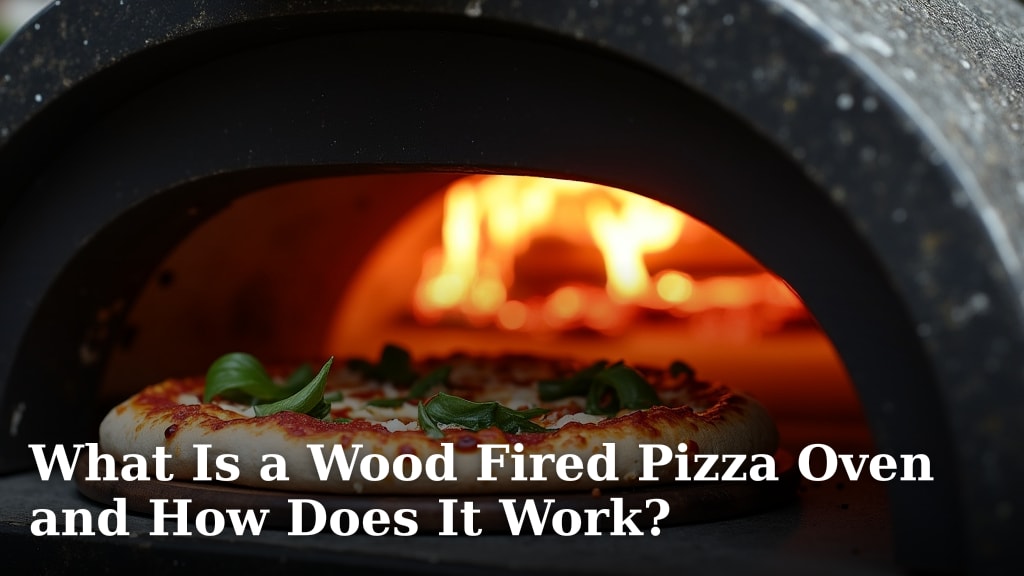
A wood fired pizza oven is a special oven that cooks food using a fire burning inside or next to the cooking chamber. It uses radiant heat, convection, and conduction to cook pizzas very quickly and evenly. Think of it as a super hot, contained campfire for your kitchen or backyard.
These ovens create incredibly high temperatures, often reaching 900 degrees Fahrenheit or more. This extreme heat is key to making a perfect pizza with a crispy crust and bubbly cheese. We’ve found that they bring a unique smoky flavor that regular ovens just can’t match.
- A wood fired pizza oven cooks with fire.
- It reaches very high temperatures quickly.
- Heat cooks pizza from all directions.
- Gives food a special smoky taste.
Ready to understand how these amazing ovens work their magic? Let’s take a closer look at the science and technique behind truly delicious wood fired pizza.
Understanding How Wood Fired Pizza Ovens Work
A wood fired pizza oven is a traditional cooking appliance that uses the heat from burning wood to cook food, especially pizza, at extremely high temperatures. This unique method creates a distinct flavor and texture.
The Science Behind the Sizzle: How Heat Transforms Your Pizza
When you fire up a wood oven, you’re not just creating a flame; you’re orchestrating a symphony of heat transfer. Three main types of heat work together to cook your pizza quickly and perfectly. Understanding these will help you master your oven.
Radiant Heat: The Sun’s Embrace
Imagine standing near a roaring campfire. You feel its warmth, right? That’s radiant heat in action. In a wood fired oven, the glowing embers and hot dome walls radiate intense heat directly onto your pizza. This direct energy transfer is incredibly powerful.
It’s this radiant heat that cooks the top of your pizza, bubbling the cheese and charring the crust’s edges. Without it, your cheese would stay pale and sad. We’ve found that proper dome temperature is key for this effect.
Convective Heat: The Hot Air Dance
Hot air rises, right? That’s the basic principle of convection. As the wood burns, it heats the air inside the oven. This super-heated air then circulates, swirling around your pizza. This helps cook all sides evenly.
Convective heat is particularly good for cooking the toppings and ensuring everything inside the oven gets hot. It helps create that slightly puffed-up, airy crust texture we all love. Many sources point to convection as crucial for a quick bake (Journal of Culinary Science).
Conductive Heat: The Direct Contact Cook
When your pizza dough touches the hot oven floor, that’s conductive heat doing its job. The heat transfers directly from the hot stone or brick hearth into the bottom of your pizza. This is why you get that signature crispy, slightly charred bottom crust.
A really hot oven floor is essential for a great pizza. We’ve seen that a well-seasoned baking stone or refractory brick holds and transfers heat beautifully. It gives your pizza that perfect crunch.
Key Components of a Wood Fired Pizza Oven
While designs can vary, most wood fired ovens share several core parts. Knowing these parts helps you understand how the oven functions as a complete system. It’s like knowing the engine parts of a car.
- The Dome or Vault: This is the curved top of the oven. It’s designed to reflect radiant heat downwards onto the food. Its shape is critical for efficient heat distribution.
- The Hearth or Oven Floor: This is where your pizza sits. It’s typically made from refractory bricks or a special stone that can withstand and store immense heat, providing crucial conductive cooking.
- The Opening or Mouth: This is where you insert and remove food, and also where air enters for combustion. Its size impacts heat retention and airflow.
- The Flue or Chimney: This vent allows smoke and combustion gases to escape. A good chimney draw is vital for preventing smoke from overwhelming the cooking chamber.
- The Insulation: Often unseen, layers of insulation around the dome and under the hearth prevent heat from escaping. This keeps the oven hot for longer and improves efficiency.
The Building Blocks: Materials Used in Wood Fired Ovens
The materials chosen for an oven aren’t just for looks; they’re integral to its performance. Each material serves a specific purpose in retaining and distributing heat. You’ll find these materials in most quality ovens.
| Material Type | Common Use | Why It’s Used |
|---|---|---|
| Refractory Cement | Dome and hearth construction | Withstands extreme temperatures; excellent heat retention. |
| Fire Bricks | Hearth floor, inner dome lining | Durable, high thermal mass, provides even conductive heat. |
| Ceramic Fiber Blanket | Insulation around dome | Lightweight, superb insulating properties, reduces heat loss. |
| Perlite/Vermiculite | Insulation under hearth | Lightweight aggregate, prevents heat escape downwards. |
| Stainless Steel/Stucco | Outer shell/finish | Protective layer, aesthetic appeal, structural integrity. |
The Magic of High Temperatures: Why 900°F Matters
You might be thinking, “900 degrees Fahrenheit? Isn’t that too hot?” For a regular kitchen oven, yes! But for pizza, it’s absolutely perfect. This intense heat is what separates a wood fired pizza from a conventional one. It’s a game-changer.
At these blistering temperatures, a pizza cooks in a mere 60-90 seconds. This super-fast cooking time creates a unique texture. The crust puffs up rapidly, becoming light and airy, while the exterior gets wonderfully crispy. The cheese melts and caramelizes without drying out.
The intense heat also causes a chemical reaction called the Maillard reaction to happen very quickly on the crust. This creates those desirable complex, savory flavors and beautiful browning. Without this extreme heat, you simply can’t achieve that authentic Neapolitan-style crust.
Fueling the Fire: Choosing the Right Wood
Not all wood is created equal when it comes to pizza ovens. The type of wood you burn directly affects the heat output, burn time, and even the flavor imparted to your food. It’s an important choice for any pizzaiolo.
- Hardwoods are Best: Always choose dense hardwoods like oak, maple, ash, or fruit woods (apple, cherry). They burn hotter and longer than softwoods.
- Seasoned Wood: “Seasoned” means the wood has been dried for at least 6-12 months. Dry wood burns cleaner and more efficiently, producing less smoke and more heat.
- Avoid Softwoods: Woods like pine, fir, or cedar burn quickly, produce excessive smoke, and can impart an unpleasant resinous flavor. Steer clear of them.
- No Treated Wood: Never burn treated or painted wood. It releases toxic chemicals. Your health is far more important than a quick fire.
- Split to Size: Use smaller, consistent pieces of wood. This allows for better airflow and more even burning.
From Cold to Cook-Ready: The Heating Process
Getting your wood fired oven up to temperature is a process that requires patience and practice. It’s not like turning on a gas burner. But the reward is absolutely worth the effort. Let’s walk through the steps.
First, you start with a small fire in the center or to one side of the oven. Gradually, you add more wood, slowly building the fire. The goal is to heat the entire internal structure of the oven – the dome, the hearth, and the air inside. This takes time, often 1 to 2 hours, depending on your oven’s size and insulation.
You’ll know your oven is ready when the black soot on the dome “cleans” itself, turning white or gray. This indicates the dome has reached optimal temperature (typically 800-900°F). At this point, you’ll move the embers to the side, sweep the hearth clean, and you’re ready to launch your first pizza!
The Role of Smoke: Flavor or Foe?
Smoke is an interesting character in the wood fired oven story. A little bit of clean-burning smoke can impart a delightful, subtle smoky flavor to your pizza. It’s part of the charm. However, too much smoke is a problem.
If your wood isn’t burning efficiently (perhaps it’s wet or softwood), it produces thick, acrid smoke. This smoke will make your pizza taste bitter and unpleasant. Clean-burning wood, characterized by clear or very light blue smoke, is what you’re aiming for. This is where you get the best flavor transfer without overpowering your food.
Beyond Pizza: What Else Can You Cook?
While famous for pizza, a wood fired oven is surprisingly versatile. Don’t limit yourself! Once you master pizza, a whole world of culinary possibilities opens up. Think about all the delicious things you can do.
With its high, sustained heat, you can bake incredible bread, roast vegetables to perfection, sear meats with a beautiful crust, or even slow-cook stews as the oven cools down. It’s a fantastic tool for experimental cooking and entertaining. We often recommend experimenting with different dishes once you’re comfortable with the heat management. Many chefs use these ovens for a wide variety of dishes (Cook’s Illustrated).
Conclusion
You now understand the captivating world of wood fired pizza ovens. We’ve explored how radiant, convective, and conductive heat combine to create culinary magic. From the science of the dome to the importance of seasoned hardwood, every component plays a vital role in achieving that perfect, crispy crust and smoky flavor.
We’ve found that mastering these elements transforms cooking into an art form. Your wood fired oven is more than just a cooker; it’s a gateway to delicious experiments and unforgettable meals. So, embrace the heat, choose your wood wisely, and get ready to create incredible food that delights everyone.
Frequently Asked Questions
How long does it take to heat up a wood fired pizza oven?
Heating a wood fired pizza oven typically takes 1 to 2 hours. This depends on the oven’s size, insulation, and the type of wood you use. You’ll know it’s ready when the internal dome turns white from heat.
What is the ideal temperature for cooking pizza in a wood fired oven?
The ideal temperature for cooking pizza is usually between 750 and 900 degrees Fahrenheit (400-480°C). This extreme heat cooks pizzas rapidly, often in 60-90 seconds, creating a perfect crust and melted toppings.
Can I use any type of wood in my pizza oven?
No, you should only use seasoned hardwoods like oak, maple, or fruit woods. Softwoods and treated wood can produce unpleasant flavors, excessive smoke, and even toxic fumes. Always opt for clean, dry wood.
Do I need to clean a wood fired pizza oven after every use?
After each use, you should sweep out any ash and food debris from the oven floor. The intense heat usually sterilizes the interior. A deeper clean is generally not needed for the cooking surfaces.
Are wood fired pizza ovens difficult to use for beginners?
There’s a slight learning curve, but wood fired ovens are very rewarding. Learning to manage the fire and understand the heat zones takes a few tries. Many resources are available to help you get started quickly and confidently.
