
What Is a Pizza Oven and How Does It Work?
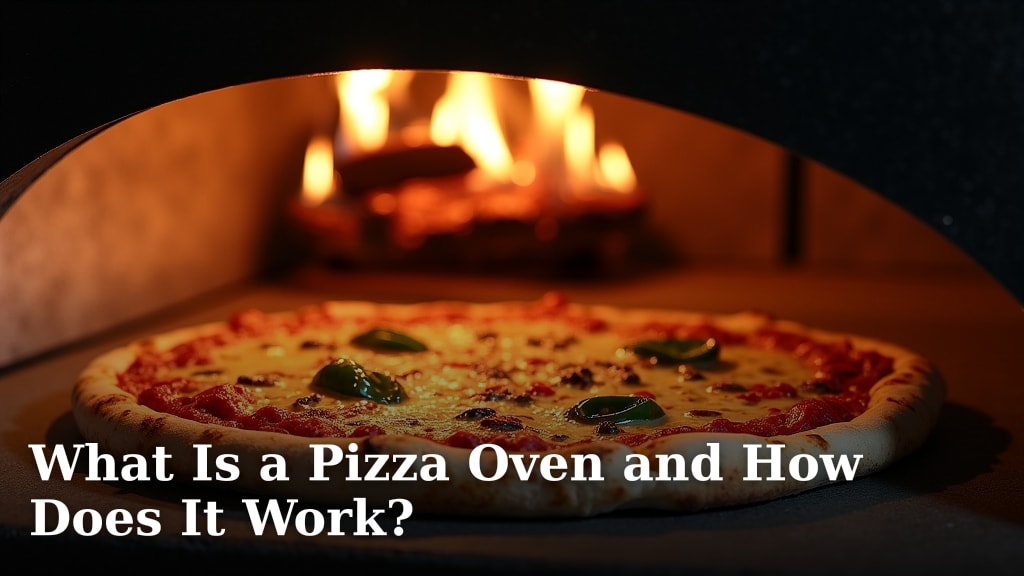
A pizza oven is a specialized cooking appliance designed to cook pizzas quickly and efficiently, often at very high temperatures. It achieves a crispy crust and perfectly melted toppings that a regular kitchen oven can’t match.
You might be wondering, what makes a pizza oven so different? Well, we found that its unique design and heating methods create the ideal environment for that authentic pizzeria taste right in your backyard or kitchen. It’s all about intense, consistent heat.
- What a pizza oven is
- How it creates perfect pizza
- The main types of pizza ovens
- Key benefits of using one
Let’s dive in and explore exactly what a pizza oven is and how it works to give you that delicious, bubbly, and perfectly charred pizza every time.
Understanding the Pizza Oven and Its Operation
A pizza oven is more than just a hot box. We found it’s a carefully engineered cooking tool designed to create the perfect pizza through intense and balanced heat. Think of it as a specialized environment where dough, sauce, cheese, and toppings transform into a culinary masterpiece in mere minutes. It achieves results that a conventional home oven simply can’t.
What Makes a Pizza Oven Unique?
You might be wondering, what sets it apart? The main difference lies in its ability to reach and maintain extremely high temperatures, often much hotter than your standard kitchen appliance. We’re talking 700°F (370°C) and sometimes even over 900°F (480°C). This extreme heat is crucial for cooking pizza rapidly and effectively.
The Science of Rapid Pizza Cooking
When pizza cooks quickly at high temperatures, several magical things happen. The crust gets a beautiful char and crispness without drying out. The cheese melts and bubbles perfectly, and the toppings cook through but retain their freshness. This rapid cooking also prevents the dough from becoming soggy, a common issue in lower-temperature ovens. It’s all about that quick blast of heat.
We found that this speed is essential for the ideal pizza texture. A slower cook time can lead to a chewy or tough crust and overcooked toppings (Food Science Institute).
How Does a Pizza Oven Work? The Heat Dynamic
The secret to a pizza oven’s success is its heat distribution. It uses a combination of heating methods to cook your pizza evenly and quickly. Let’s break down the key ways heat transfers to your pie.
Conduction: Direct Heat from the Stone
The first and perhaps most important method is conduction. When you place your pizza directly onto a preheated baking stone or cordierite surface, heat transfers from the hot stone directly into the dough. This direct contact is what gives your crust that signature crispy bottom and helps it cook so quickly. It’s like putting a pan on a stovetop burner.
Convection: Hot Air Circulation
Next up is convection. Hot air circulates within the oven chamber, cooking the top of your pizza. This moving hot air helps melt the cheese and cook the toppings. In some ovens, particularly wood-fired models, the flame itself helps create a natural convection current that swirls the heat around your pizza. This ensures everything cooks at the same pace.
Radiant Heat: The Intense Glow
Finally, there’s radiant heat. This comes from the hot oven walls, the dome, and sometimes direct flame. Think of it like feeling the heat from a campfire. This intense, direct energy helps to quickly cook the top of the pizza, creating those desirable charred spots on the crust and bubbling the cheese to perfection. This is where you get the “leopard spots” on your crust.
Exploring the Different Types of Pizza Ovens
Pizza ovens come in many shapes and sizes, each with its own benefits. You’ll find options for every lifestyle and budget, from backyard enthusiasts to serious home chefs. We’ll look at the most common types you might encounter.
Wood-Fired Pizza Ovens
These are the classic, traditional choice and often what people imagine when they think of a pizza oven. They’re typically outdoor units, often built from brick or refractory concrete. You burn wood inside the oven chamber to generate heat. Many experts say that the wood smoke also imparts a unique, smoky flavor to the pizza.
- Authentic flavor: The smoky taste from wood is unmatched.
- High temperatures: Can reach extremely hot temperatures, often over 900°F.
- Community feel: Great for entertaining and creating an experience.
Gas Pizza Ovens
Gas ovens offer a lot of convenience. They heat up quickly and maintain a consistent temperature with the turn of a knob. You’ll find both outdoor models that connect to a propane tank and indoor countertop versions. We found these are a popular choice for ease of use.
- Quick heat-up: Ready to cook faster than wood-fired models.
- Temperature control: Easy to adjust and maintain specific heat levels.
- Less mess: No ash or wood to deal with, making cleanup simpler.
Electric Pizza Ovens
Electric pizza ovens are often smaller and designed for indoor use. They plug into a standard outlet and typically feature heating elements at the top and bottom. While they might not reach the extreme temperatures of wood-fired or some gas ovens, they still get hot enough to make great crispy pizzas, especially for everyday use.
- Convenience: Plug and play, no fuel to manage.
- Compact size: Many models are designed for countertops.
- Consistent results: Digital controls often ensure precise temperatures.
Portable Pizza Ovens
Many of the gas and some electric pizza ovens are designed to be portable. These are smaller, lighter units that you can take with you for tailgating, camping, or just moving around your backyard. They offer flexibility and fun, allowing you to make pizza anywhere you have a power source or propane tank.
Why Invest in a Dedicated Pizza Oven? The Benefits
You might be asking, “Do I really need a special oven just for pizza?” We believe that if you love pizza, the answer is a resounding yes! A dedicated pizza oven offers several key advantages that elevate your pizza-making game.
Superior Crust and Texture
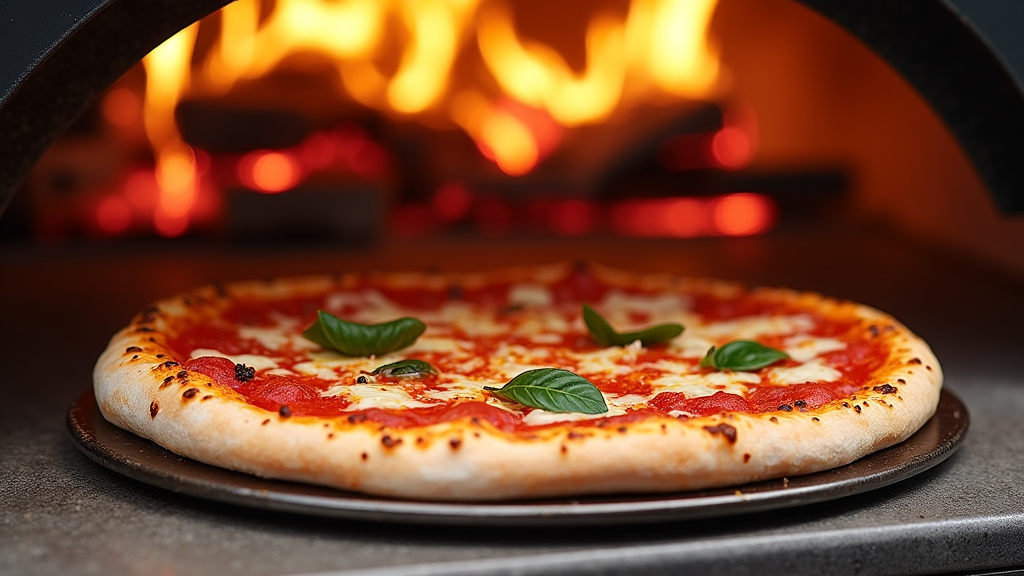
This is arguably the biggest benefit. The intense, even heat creates a crust that is both crispy on the outside and perfectly chewy on the inside. You get those delicious char spots (often called “leopard spots”) on the crust, and the bottom cooks through without becoming tough. It’s a game-changer for homemade pizza.
Incredible Speed and Efficiency
Pizza ovens cook incredibly fast. We’re talking pizzas ready in 60 to 90 seconds in some high-temperature models. This speed is not just for convenience; it’s essential for the quality of the pizza. Rapid cooking locks in moisture, prevents toppings from overcooking, and ensures a delightful crispness.
Enhanced Flavor Profile
Whether it’s the smoky notes from a wood-fired oven or just the superior cooking environment, pizzas from a dedicated oven often taste better. The high heat caramelizes the crust beautifully, and the rapid cook time allows the fresh flavors of your ingredients to shine. It’s a taste experience that’s hard to replicate.
Fun and Entertainment Value
Cooking pizza in a specialized oven is an experience. It’s interactive, fun, and a great way to entertain guests. Imagine hosting a pizza party where everyone gets to choose their toppings and watch their pizza cook in minutes. It adds a special touch to any gathering.
A Checklist for Your First Pizza Oven Experience
Ready to jump in? Here’s a quick checklist to get you started on your pizza oven journey:
- Choose your oven type (wood, gas, electric).
- Set up your oven in a safe, well-ventilated area.
- Preheat the oven thoroughly to the desired temperature.
- Prepare your dough and toppings in advance.
- Use a pizza peel for easy launching and turning.
- Practice, practice, practice for perfect results!
Conclusion
As you’ve seen, a pizza oven is much more than a fancy gadget; it’s a specialized tool that brings authentic pizzeria quality right to your home. We found its ability to reach extreme temperatures and utilize a combination of conduction, convection, and radiant heat is what truly sets it apart. Whether you opt for a traditional wood-fired, convenient gas, or compact electric model, you’re investing in superior crusts, incredible speed, and a whole lot of fun. So, if you’re serious about your pizza, it’s time to consider welcoming one into your culinary arsenal. Your taste buds will thank you!
Frequently Asked Questions
Can a regular oven achieve the same results as a pizza oven?
No, a regular kitchen oven typically cannot reach the extremely high temperatures (700°F+) necessary for rapid pizza cooking. This means your pizza won’t get the same crispy crust, perfectly melted cheese, and overall authentic texture that a dedicated pizza oven provides.
How long does it take for a pizza oven to heat up?
Heat-up times vary significantly by type. Gas pizza ovens often heat up in 15-20 minutes. Wood-fired ovens can take 45-60 minutes or more to reach optimal temperatures, while electric models usually fall somewhere in between, around 20-30 minutes.
Do pizza ovens only cook pizza?
While optimized for pizza, many pizza ovens are versatile. You can often cook other foods like roasted vegetables, breads, fish, and even some meats, especially in models with more controlled temperatures. It truly depends on the specific oven’s design and heat capabilities.
Is it difficult to clean a pizza oven?
Cleaning depends on the oven type. Wood-fired ovens require ash removal, but their high heat often burns away food residue. Gas and electric ovens typically need less maintenance, usually just wiping down surfaces once cooled. We found that regular, light cleaning is best.
What kind of fuel is most cost-effective for a pizza oven?
The most cost-effective fuel depends on local prices and usage. Propane can be convenient but may add up over time. Hardwood for wood-fired ovens can be sourced economically if you have access to it, but buying specific pizza oven wood can be pricey. Electric ovens use standard household electricity.
