
Is It Worth Buying Pizza Screen or Parchment Paper?
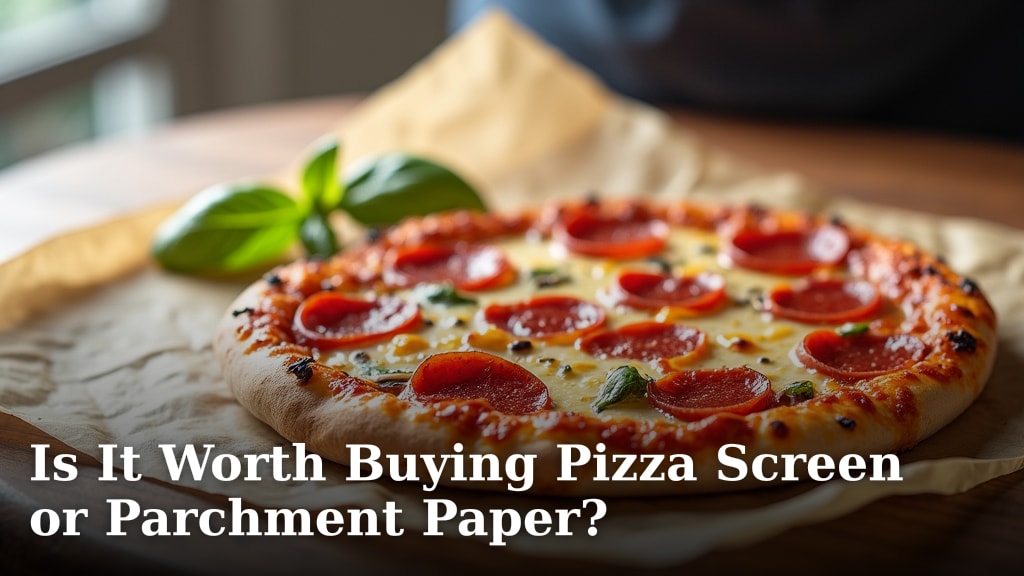
Yes, buying a pizza screen or parchment paper is worth it, especially if you want crispier crusts and easier handling. They solve common pizza-making problems, making your home-baked pizzas much better. We found they are surprisingly helpful tools for any home cook.
You might be tired of soggy crusts or struggling to transfer your pizza to the oven. These tools offer simple solutions. We found that both improve cooking consistency and prevent sticking, which is a big win. They are simple, inexpensive kitchen gadgets.
- Pizza screens offer an ultra-crispy crust.
- Parchment paper makes pizza transfer a breeze.
- Both prevent sticking to your pizza stone or tray.
- They are affordable additions to your kitchen.
- Choose based on your desired crust texture.
Let’s dive into the details. We’ll help you decide which one is right for your pizza nights and why these simple items can make a big difference.
Making the Right Choice: Pizza Screen or Parchment Paper?
Deciding between a pizza screen and parchment paper comes down to your priorities. Both are great for home pizza making, but they serve slightly different purposes. We’ll help you understand their strengths so you can pick the best tool for your next pizza night.
Understanding Pizza Screens
A pizza screen is a round, mesh-like tray. It’s usually made from aluminum. The design allows heat to pass directly through to your pizza crust. This airflow is key for a crispy result.
The Benefits of a Pizza Screen
Using a pizza screen offers several advantages. The main one is crust crispiness. No more soggy bottoms! We found that it truly transforms your crust texture. The screen also makes transferring pizza much easier. You can build your pizza right on the screen. Then, slide it directly into a hot oven or onto a preheated stone.
- Achieves a super crispy crust: The open mesh design promotes excellent air circulation.
- Prevents sticking: Your dough won’t get stuck to a hot stone or steel.
- Easy transfer: You can move pizzas in and out of the oven with less mess.
- Durable and reusable: Made for repeated use.
- Affordable: Generally inexpensive to buy.
Potential Downsides of Pizza Screens
While screens are fantastic, they do have a couple of minor drawbacks. Cleaning can be a bit trickier. Dough or cheese can get stuck in the mesh. You also need to season some screens before first use, though many come pre-seasoned. Always check the manufacturer’s instructions for care.
Understanding Parchment Paper for Pizza
Parchment paper is a heat-resistant, non-stick paper. It’s often coated with silicone. You might already use it for baking cookies or roasting vegetables. It acts as a barrier between your pizza and the baking surface.
The Benefits of Using Parchment Paper
Parchment paper excels at making pizza transfer effortless. You build your pizza on the paper, then slide the whole thing into the oven. It’s especially good for very wet or delicate doughs. It also prevents any sticking to your baking stone or steel. Cleanup is a breeze—just toss the paper when you’re done.
- Effortless transfer: Slide your pizza easily onto a hot surface.
- Zero sticking: Dough and toppings won’t adhere to your pan or stone.
- Easy cleanup: Dispose of the paper after use.
- Versatile: You can use it for many other baking tasks.
- Good for delicate doughs: Provides support for soft or sticky doughs.
Potential Downsides of Parchment Paper
The main issue with parchment paper for pizza is crust crispiness. Because it creates a barrier, less direct heat reaches the bottom of your crust. This can sometimes result in a slightly less crispy crust than a screen. It’s also a single-use item, which generates more waste. Always ensure your parchment paper is rated for high oven temperatures. Some brands might not be suitable for pizza-level heat, which can be 500°F or more (USDA).
Comparing Pizza Screens and Parchment Paper
Let’s look at how these two tools stack up against each other. Each has its strengths. Your personal pizza preference will guide your choice.
| Feature | Pizza Screen | Parchment Paper |
|---|---|---|
| Crust Crispiness | Excellent (direct heat) | Good (barrier reduces direct heat) |
| Ease of Transfer | Very easy (build on screen) | Very easy (build on paper) |
| Sticking Prevention | Excellent | Excellent |
| Cleanup | Requires scrubbing mesh | Effortless (disposable) |
| Reusability | Yes, many times | No, single-use |
| Cost | Low initial cost, long-term savings | Low per-use cost, ongoing expense |
| Best For | Maximum crispy crust lovers | Easy handling, sticky doughs, less cleanup |
When to Use a Pizza Screen
If your absolute top priority is a super crispy crust, go with a pizza screen. We found that it truly delivers that pizzeria-style crispness. It’s perfect for thin-crust pizzas where you want that delightful crunch. It’s also great for high-temperature baking. If you often struggle to get your pizza off the peel and onto a hot stone, a screen will make your life much easier.
When to Use Parchment Paper
Parchment paper shines when convenience and mess-free baking are your focus. Do you often make doughs that are a bit sticky or hard to handle? Parchment paper is your friend. It’s also ideal if you hate cleaning sticky pans or screens. If you want a perfectly good, non-soggy crust without being overly concerned about extreme crispiness, parchment paper is a fantastic choice.
The Hybrid Approach: Using Both!
Who says you have to choose? Many home pizza makers use both methods for an optimal result. You can start your pizza on parchment paper for easy transfer. After a few minutes, when the crust has set, you can often slide the pizza off the parchment paper directly onto your hot baking stone or steel. This allows the crust to crisp up directly. This method combines the best of both worlds: easy transfer and maximum crispiness.
However, be careful when removing the parchment paper. It can be hot and delicate. This technique requires a little practice. We recommend doing it once the pizza has firmed up enough, maybe 5-7 minutes into the bake (Cleveland Clinic offers similar advice for food handling).
Factors to Consider When Buying
Before you buy, think about a few things. What kind of pizza do you usually make? Do you have space for another kitchen gadget? What’s your budget? We found that these simple questions really help narrow down your options.
Material and Durability
Most pizza screens are aluminum. They are light and conduct heat well. Look for sturdy construction that won’t warp in high heat. Parchment paper quality varies. Choose brands that are oven-safe for high temperatures, often specified around 450-500°F. Some brands are also unbleached, which some people prefer.
Size Matters
Make sure the screen or parchment paper fits your oven and pizza size. Measure your oven rack and any pizza stones or pans you use. Standard sizes are often 12-inch or 14-inch. Having the right size prevents awkward spills or uneven cooking.
Care and Maintenance
Proper care will extend the life of your pizza screen. For screens, usually hand washing with warm, soapy water is best. Avoid abrasive scrubbers that can damage the finish. Ensure it’s completely dry before storing to prevent rust, especially if it’s not aluminum. Parchment paper needs no maintenance—you just toss it after use!
Your Pizza-Making Checklist
Here’s a quick checklist to help you decide and get started:
- Decide on your crust crispiness priority: Ultra-crispy (screen) or good & easy (parchment)?
- Consider your dough: Is it sticky and hard to move? (Parchment might be better).
- Think about cleanup: Do you prefer disposable or reusable?
- Measure your oven and pizza pans to get the right size.
- Check the heat rating for parchment paper if you bake at high temperatures.
- Don’t be afraid to try the hybrid approach for best results!
Conclusion
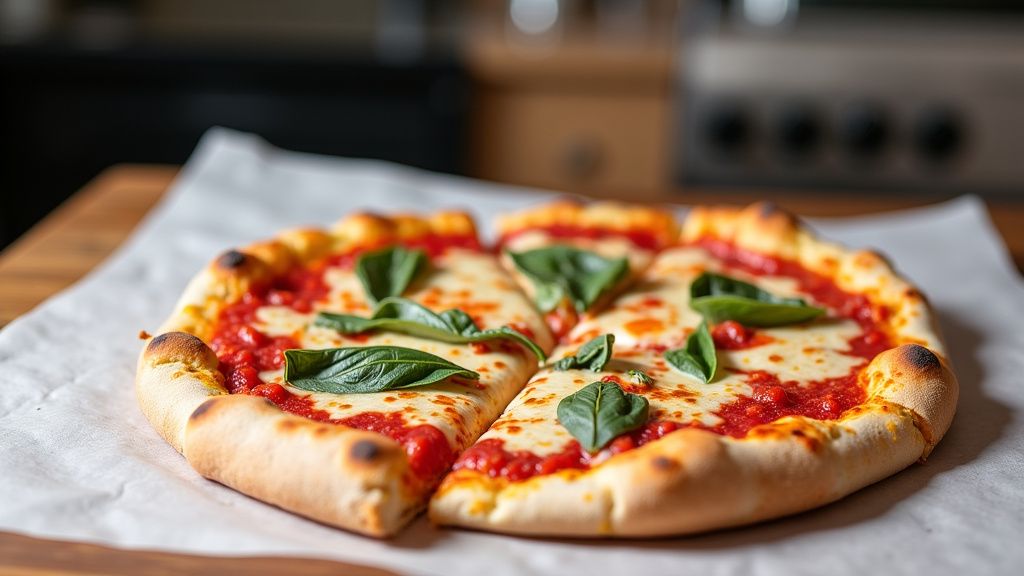
You’ve now got the full scoop on pizza screens and parchment paper. Both are affordable tools that significantly upgrade your homemade pizza. We found that choosing depends on your priorities: crispiness or convenience. A pizza screen delivers that ultra-crispy crust, while parchment paper makes handling sticky dough incredibly easy. Remember, you can even use both for the best of both worlds. Don’t let soggy crusts or messy transfers ruin your pizza night anymore. Pick the tool that fits your baking style and start enjoying perfectly baked pizzas today!
Frequently Asked Questions
Can I reuse parchment paper for pizza?
No, you generally shouldn’t reuse parchment paper for pizza. It’s designed for single use. High oven temperatures can degrade the paper and its non-stick coating after one bake. Discard it after each pizza for safety and best results.
Do pizza screens work in all oven types?
Yes, pizza screens are compatible with most standard home ovens. Their mesh design works well with conventional, convection, and even toaster ovens. Just ensure the screen’s size fits comfortably within your oven and on your baking rack.
Is it safe to put parchment paper directly on an oven rack?
It’s generally safe to place parchment paper with your pizza directly on an oven rack. However, always check the temperature rating of your specific parchment paper. Make sure it can withstand your oven’s pizza-making temperature, which is often 450-500°F or higher.
How do I clean a pizza screen properly?
To clean a pizza screen, hand wash it with warm, soapy water after it cools. Use a soft brush or sponge to gently remove any stuck-on food. Avoid abrasive scrubbers that could damage the mesh. Rinse thoroughly and dry completely before storing to prevent rust.
Can I use aluminum foil instead of parchment paper for pizza?
You can use aluminum foil for pizza, but it won’t offer the same non-stick benefits as parchment paper. Your pizza might stick to the foil. Also, foil creates a barrier that can prevent the crust from getting as crispy as it would on a screen or directly on a stone.
