
What Is the Difference Between Pizza Screen or Parchment Paper?
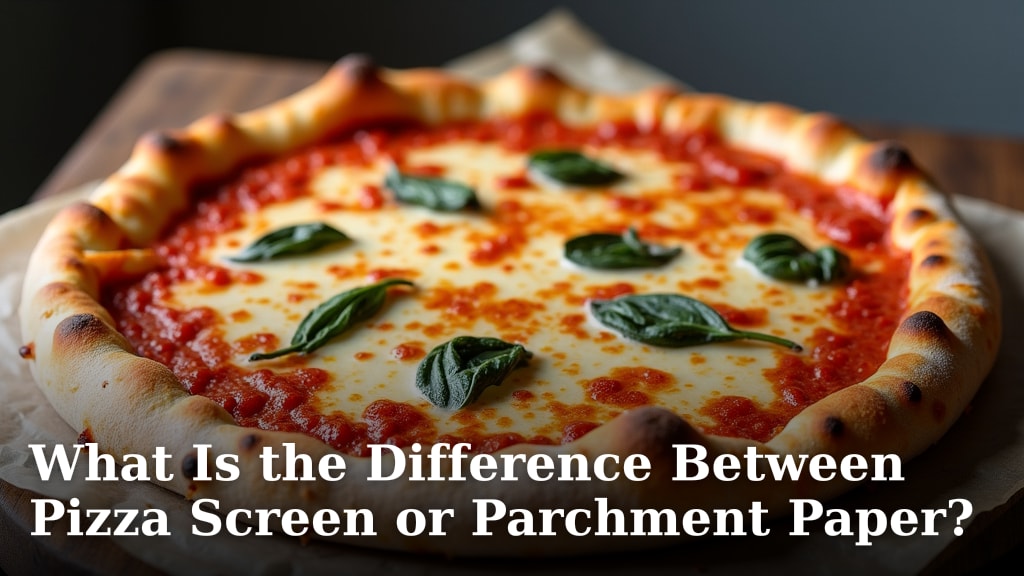
The main difference between a pizza screen and parchment paper is breathability and reusability. A pizza screen offers a crispier crust because it allows air to circulate, while parchment paper is non-stick and great for easy cleanup but can sometimes lead to a softer crust.
You want that perfect homemade pizza, right? Both pizza screens and parchment paper help cook your pizza, but they do it in different ways. We found that choosing the right one depends on your desired crust texture and how much fuss you want during cleanup. Each has its pros and cons for your pizza-making adventures.
- Pizza screens give you a crispier crust.
- Parchment paper makes cleanup super easy.
- Screens are reusable; parchment paper is disposable.
- Parchment can make the crust a little softer.
- Consider your oven and recipe for the best choice.
So, which one is right for your next pizza night? Let’s dive into the details so you can make the best choice for a delicious pizza every time.
Understanding the Core Differences Between Pizza Screens and Parchment Paper
When you’re aiming for that perfect homemade pizza, the tools you choose matter. We found that the biggest distinction between a pizza screen and parchment paper comes down to how they interact with heat and air, which directly impacts your crust.
A pizza screen is all about airflow. It’s a mesh-like surface designed to let heat circulate freely around your pizza’s base. Parchment paper, on the other hand, creates a barrier. It’s a solid sheet that sits directly under your pizza.
What is a Pizza Screen?
Imagine a flat, round piece of metal mesh. That’s essentially a pizza screen. It’s typically made from aluminum, which is excellent at conducting and distributing heat evenly. These screens are rigid and durable, designed for repeated use in high temperatures.
Many home bakers find pizza screens a simple way to achieve a professional-style crust. The open mesh allows moisture to escape from the dough as it bakes. This moisture release is key to preventing a soggy bottom.
How a Pizza Screen Works for Your Pizza
When you place your pizza on a screen, the holes in the mesh allow the hot air from your oven to hit the bottom of the crust directly. This direct heat and ventilation help to crisp up the dough quickly. We found this especially useful for thinner crusts that tend to get soft.
The screen acts as a buffer between your pizza and the baking surface. This prevents your pizza from cooking too fast or unevenly if your oven has hot spots (University of Nebraska-Lincoln Extension).
Advantages of Using a Pizza Screen
- Crispier Crust: The most celebrated benefit is its ability to produce a wonderfully crisp crust. Air circulation means less steam trapping.
- Even Baking: Aluminum screens distribute heat well, helping your pizza cook uniformly from edge to center.
- Easy Transfer: They make it easier to transfer your pizza in and out of a hot oven. Just slide it in and out!
- Reusable: A one-time purchase, pizza screens are washable and can be used hundreds of times. This makes them a more sustainable choice over time.
Disadvantages of Using a Pizza Screen
- Sticking Potential: Without a non-stick coating or proper seasoning, dough can sometimes stick to the screen. A light dusting of cornmeal or flour usually prevents this.
- Cleanup: While reusable, cleaning a mesh screen can be a bit more involved than just throwing something away. Baked-on cheese or sauce can get stuck in the holes.
- Storage: You need space to store a flat, round screen. They don’t fold up.
What is Parchment Paper?
Parchment paper is a cellulose-based paper that has been treated with silicone. This treatment makes it non-stick and heat-resistant. It’s a common kitchen staple, often used for baking cookies, lining pans, and, yes, even for pizza.
We found that parchment paper is excellent for convenience. It’s designed to withstand high oven temperatures without burning. It provides a simple, clean surface for your food.
How Parchment Paper Works for Your Pizza
When you use parchment paper, it creates a solid, non-stick surface directly under your pizza. This barrier prevents your pizza from sticking to your pizza stone or baking sheet. It also makes for an incredibly easy cleanup after baking.
However, because it’s a solid sheet, it can trap moisture underneath the crust. This is where the difference in crust texture comes in. We’ve often noticed a slightly softer bottom crust when using parchment paper compared to a screen.
Advantages of Using Parchment Paper
- Non-Stick: This is its superpower. Your pizza will effortlessly slide off, no sticking disasters.
- Effortless Cleanup: Just toss the used paper. No scrubbing, no soaking. It’s a lifesaver on busy weeknights.
- Easy Transfer & Prep: You can build your pizza directly on the parchment paper. Then, just slide the whole thing into the oven. This is especially helpful for delicate doughs.
- No Added Flour/Cornmeal: You typically don’t need to dust your surface with extra flour or cornmeal to prevent sticking, which keeps your kitchen cleaner.
Disadvantages of Using Parchment Paper
- Softer Crust: Because it traps moisture, your pizza’s bottom crust might not get as crispy. This is the main trade-off for its convenience.
- Single-Use: Parchment paper is disposable, which means it generates waste. For frequent pizza makers, this can add up.
- Cost: While inexpensive per sheet, the cost can accumulate over time if you use it regularly.
Choosing the Right Tool for Your Pizza Needs
So, which should you choose? It really boils down to your personal preference and what kind of pizza experience you’re after. Are you a crisp-crust fanatic, or does easy cleanup win every time?
Consider your oven’s capabilities too. Some ovens might brown the bottom of a pizza very quickly. In such cases, parchment paper might offer a little protection, preventing over-browning (USDA).
When to Use a Pizza Screen
Opt for a pizza screen when your priority is a super crispy, golden-brown crust. If you enjoy a slightly more artisanal feel to your homemade pies, the screen is your friend. It’s perfect for thinner crusts or when you want that pizzeria-style char.
Many experienced pizza makers swear by screens for consistency. They provide reliable results once you get the hang of using them.
When to Use Parchment Paper
Parchment paper shines when convenience and non-stick properties are at the top of your list. If you’re new to pizza making, working with a very wet dough, or simply dread cleanup, parchment paper is a fantastic choice. It minimizes stress and mess.
It’s also ideal if you prefer a slightly softer, chewier crust. Think of it as a helpful assistant that makes the entire pizza-making process smoother.
Quick Comparison: Pizza Screen vs. Parchment Paper
Let’s put them side-by-side to make the choice even clearer. This table summarizes the key features we’ve discussed:
| Feature | Pizza Screen | Parchment Paper |
|---|---|---|
| Crust Crispness | Excellent (very crispy) | Good (slightly softer) |
| Non-Stick | Requires dusting (cornmeal/flour) | Excellent (inherently non-stick) |
| Cleanup | Washing required | Disposable (no cleanup) |
| Reusability | Highly reusable | Single-use |
| Cost | Higher initial, lower long-term | Lower initial, higher long-term |
| Ease of Transfer | Good, can be tricky if dough sticks | Excellent, very easy |
Checklist for Your Pizza Night Decision
Before your next pizza night, ask yourself these questions to help make your choice:
- Do I prioritize a crispy, firm crust above all else?
- Am I willing to do a little extra cleanup for optimal texture?
- Is environmental impact (reusable vs. disposable) a factor for me?
- How much do I dislike dough sticking to my baking surface?
- Do I want the absolute easiest transfer method for my pizza?
- What kind of crust texture do my family and friends enjoy most?
Conclusion
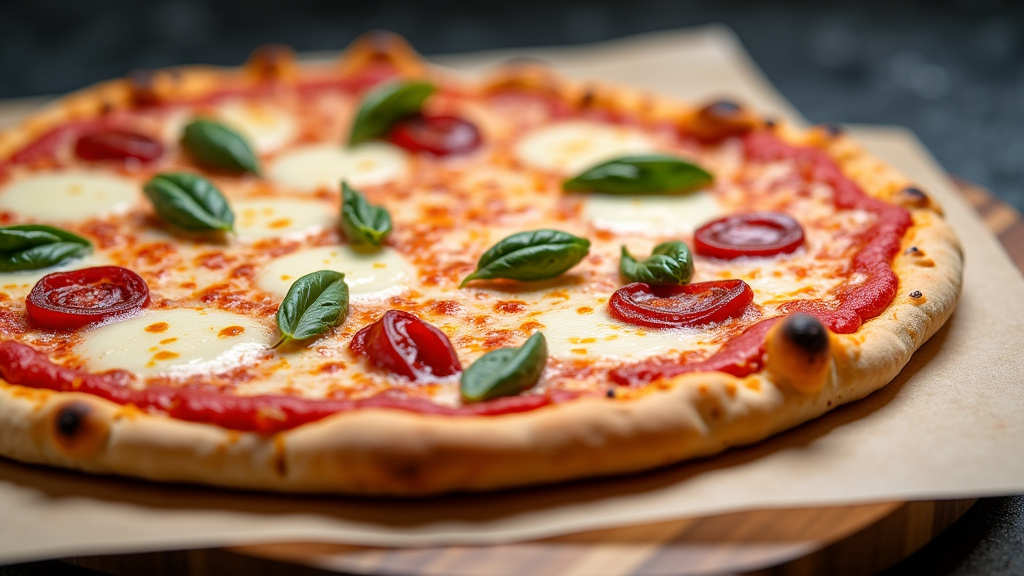
Choosing between a pizza screen and parchment paper truly depends on your pizza priorities. If you dream of a super crispy crust with great air circulation, grab a pizza screen. It’s reusable and delivers that classic pizzeria texture. But if effortless cleanup and a non-stick experience are more important, parchment paper is your go-to, even if it means a slightly softer crust.
We found that neither is inherently “better”—they just serve different needs. Consider your desired crust, your tolerance for cleanup, and how often you make pizza. Armed with this knowledge, you can confidently choose the right tool for your perfect homemade pizza night!
Frequently Asked Questions
Can I use both a pizza screen and parchment paper together?
Yes, you can! Many home pizza makers start their pizza on parchment paper for easy transfer. After about 5-10 minutes, once the crust sets, they carefully slide the pizza off the parchment directly onto the pizza screen or even a preheated pizza stone. This gives you both easy handling and a crisp finish.
Does parchment paper affect pizza cooking time?
Parchment paper can slightly increase cooking time because it acts as a barrier, preventing direct heat from reaching the very bottom of the crust as quickly. You might need to add a few extra minutes to achieve your desired doneness, especially if you prefer a well-cooked base.
How do I clean a pizza screen effectively?
For most pizza screens, especially aluminum ones, hand washing with warm, soapy water is best. Avoid abrasive scrubbers that could damage the finish. For stubborn, baked-on bits, you can let it soak for a bit before gently scrubbing. Ensure it’s completely dry before storing to prevent rust or residue buildup.
Is it safe to use parchment paper at high pizza oven temperatures?
Most parchment paper is rated for temperatures up to 425°F or 450°F. Always check the manufacturer’s specifications on your specific brand. While some pizza recipes call for higher temperatures, using parchment paper above its recommended heat limit can cause it to scorch or burn, which is unsafe and can affect your pizza’s taste.
Can I reuse parchment paper for another pizza?
Generally, parchment paper is designed for single use. While it might look okay after one pizza, its non-stick properties can degrade with heat. Reusing it might lead to sticking, and it could also become brittle or scorch more easily on a second bake. For best results and safety, use a fresh sheet each time.
