
What Is the Difference Between Wood Chunks or Pellets for Pizza Ovens?
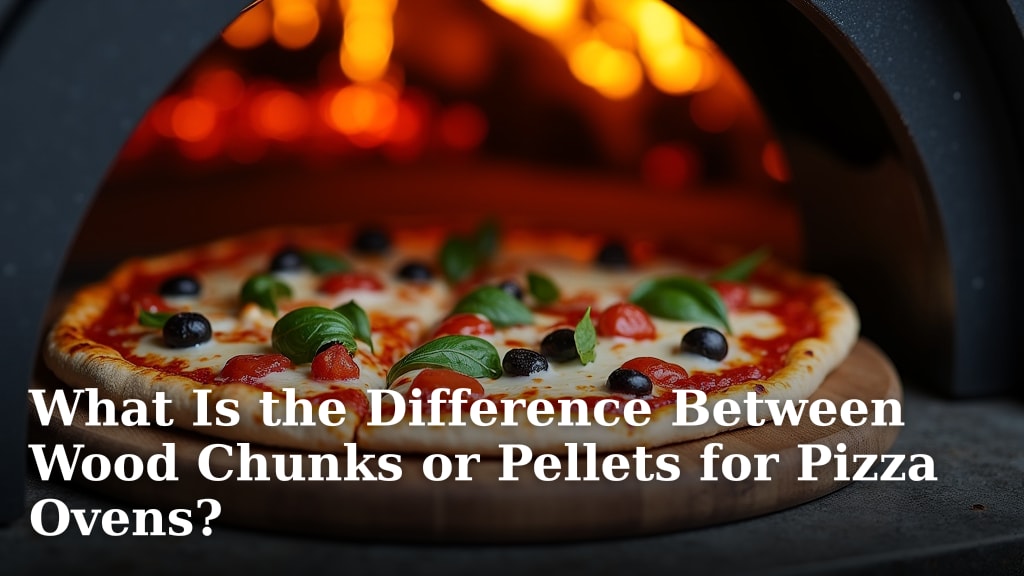
The main difference between wood chunks and pellets for pizza ovens is their size, burn time, and the flavor they impart. Wood chunks offer a longer burn and more intense smoky flavor, while pellets provide consistent heat and a cleaner burn for your pizza oven.
Choosing between these two fuel types impacts your cooking experience. We found that each has distinct advantages for achieving that perfect pizza crust. Your choice depends on your oven type and desired cooking style.
- Wood chunks give a strong, smoky flavor.
- Pellets offer a steady, even heat.
- Chunks burn longer; pellets burn cleaner.
- Your pizza oven type influences the best choice.
- Flavor preference also plays a big role.
Let’s dive deeper into what makes each option unique and help you decide which is best for your backyard pizza nights.
Comparing Wood Chunks and Pellets for Your Pizza Oven
When you’re aiming for that perfect, crispy-crusted pizza, your fuel choice matters a lot. Let’s break down the main differences between wood chunks and pellets so you can make the best decision for your pizza nights.
Understanding Wood Chunks
Think of wood chunks as the traditional choice for many outdoor cooking enthusiasts. They’re larger pieces of wood, often about the size of your fist or smaller. These are typically used in wood-fired ovens or smokers where you want a longer, slower burn and a deep, smoky flavor.
The Flavor Profile of Wood Chunks
One of the biggest advantages of wood chunks is the rich, authentic flavor they impart. Different types of wood, like oak, hickory, or apple, each offer their own unique aroma. Oak provides a strong, robust flavor, while fruitwoods like apple or cherry give a sweeter, milder smokiness. This is often what people envision when they dream of a true wood-fired pizza.
We found that many pizza purists prefer chunks for this very reason. You get a deeper penetration of smoke flavor into your pizza, creating a more rustic and traditional taste experience. It’s like bringing a bit of the forest into your backyard cooking.
Burn Characteristics of Wood Chunks
Wood chunks burn for a longer duration compared to pellets. This means you won’t need to refuel your oven as often. This longer burn also translates to a more intense and sustained heat output, which is crucial for getting that perfect char on your crust and melting your cheese just right. Managing the flame with chunks can be a bit more hands-on. You’ll need to learn how to add wood at the right time to maintain a consistent temperature, which some find part of the fun of wood-fired cooking.
Exploring Wood Pellets
Wood pellets are a more modern, engineered fuel source. They are made from compressed sawdust and wood shavings, often food-grade. These small, uniform cylinders are designed for efficiency and ease of use, particularly in pellet-fueled pizza ovens.
The Consistent Heat of Wood Pellets
Pellets are champions of consistency. Their uniform size and composition allow for a very steady and predictable burn. This is especially helpful for maintaining the high, even temperatures needed for pizza. Pellet ovens often have automated hoppers that feed pellets into the burn chamber, making temperature management much simpler. You set it, and the oven largely takes care of the rest.
This consistent heat helps ensure that your pizza cooks evenly, from the center to the edges. No more worrying about hot spots or uneven browning. It’s a more “set it and forget it” approach to wood-fired cooking.
Flavor and Cleanliness with Pellets
While pellets still provide a smoky flavor, it tends to be less intense than what you get from chunks. Some prefer this milder smoke, as it doesn’t overpower the other flavors of the pizza. You can find different wood types in pellet form, like hickory, mesquite, or a blend. The flavor is present but often more subtle.
Another big benefit of pellets is their cleaner burn. Because they are so compressed and uniform, they produce less ash and creosote. This means less cleanup for you and potentially less maintenance for your oven over time. We found this to be a significant advantage for those who prioritize convenience (National Fire Protection Association).
Choosing the Right Fuel for Your Pizza Oven
Now that you understand the basics of both, how do you decide? Your choice really comes down to your oven type, your desired cooking experience, and the kind of flavor you’re chasing.
Oven Compatibility: What Works Best?
The first thing to consider is your pizza oven itself. Some ovens are specifically designed for wood chunks, while others are built for pellets. Never use pellets in an oven designed only for chunks, and vice-versa, unless the manufacturer explicitly states it’s safe. Mixing fuel types incorrectly can damage your oven or create an unsafe cooking environment.
- Wood-fired ovens: Often larger, these traditional ovens are typically built to burn wood chunks and logs. They require manual stoking and fire management.
- Pellet pizza ovens: These are usually smaller, more portable, and feature an automated feed system for pellets. They are designed for convenience and precise temperature control.
- Hybrid ovens: Some modern ovens offer the flexibility to use both. These are great if you want to experiment with different fuel types.
Flavor Preference and Cooking Style
What kind of pizza do you dream of making? If you want that deep, rich, char-kissed flavor that comes from a roaring wood fire, wood chunks might be your best bet. They offer a more hands-on cooking experience, where you’re actively managing the flame and heat. This can be very rewarding for those who enjoy the craft of wood-fired cooking.
If you prefer a more subtle smoky note and value consistency and ease of use, pellets are likely the way to go. They’re perfect for consistent, delicious results without the constant tending of a fire. We often hear from users that pellets are ideal for entertaining, as you can focus more on your guests and less on the oven.
Quick Comparison: Chunks vs. Pellets
Here’s a quick overview to help you see the differences at a glance. Sometimes, seeing it laid out helps clarify your options.
| Feature | Wood Chunks | Wood Pellets |
|---|---|---|
| Size | Larger, irregular pieces | Small, uniform cylinders |
| Burn Time | Longer, sustained burn | Shorter, consistent burn |
| Flavor | Strong, intense smoky flavor | Milder, subtle smoky flavor |
| Heat Control | Manual, more hands-on | Automated, very consistent |
| Ash/Cleanup | More ash, some creosote | Less ash, cleaner burn |
| Cost | Generally lower per use (initial cost) | Often higher per use (ongoing cost) |
Making Your Final Decision
So, which is right for you? It’s not about one being “better” than the other. It’s about finding the best fit for your specific needs. Are you a purist who loves the traditional fire-tending, or do you prefer the convenience of automated heat? Consider your time, your budget, and your taste buds.
Key Factors to Weigh for Your Pizza Oven Fuel
To help you solidify your choice, ask yourself these questions. Your answers will guide you toward the best fuel type for your pizza oven. There’s no wrong answer here, only the right one for you.
- Do you prioritize an intense, authentic smoky flavor above all else?
- Are you looking for a more hands-on, traditional cooking experience?
- Is consistent temperature and ease of use your top priority?
- Do you prefer a cleaner burn and less cleanup after cooking?
- What type of pizza oven do you currently own or plan to purchase?
- How much time do you want to spend actively managing your fire?
Ultimately, both wood chunks and pellets can produce amazing pizzas. The journey to that perfect pizza is part of the fun. Experimentation is always a great idea if your oven allows for both. Try one, then try the other, and see which experience you enjoy more. Your taste buds will thank you!
Conclusion
Choosing between wood chunks and pellets for your pizza oven really comes down to your personal preferences and your oven’s design. If you love deep, smoky flavors and a hands-on cooking adventure, chunks are probably your match. For consistent heat, less cleanup, and easier temperature control, pellets shine. We’ve seen that both can deliver fantastic results.
Ultimately, the best fuel is the one that fits your cooking style and brings you the most joy. Consider your oven type first, then think about the flavor and experience you want. Go ahead and make some delicious pizza!
Frequently Asked Questions
Can I use any type of wood chunk in my pizza oven?
No, you should only use food-grade, untreated hardwood chunks. Avoid softwoods like pine, as they can produce sap, unpleasant flavors, and excessive creosote. Fruitwoods like apple or cherry, and hardwoods like oak or hickory, are excellent choices.
Do wood pellets for pizza ovens come in different flavors?
Yes, just like wood chunks, pellets are available in various wood types, offering different flavor profiles. You can find options like hickory, mesquite, cherry, or oak pellets. This allows you to fine-tune the smoky taste of your pizza.
How much fuel do I need for one pizza?
The amount of fuel varies greatly by oven size and type. For wood chunks, you might start with a few medium-sized pieces and add as needed to maintain heat. Pellet ovens often have a hopper that can hold enough for several pizzas, with the oven automatically feeding them as required.
Is one fuel type significantly cheaper than the other?
Initial costs can vary, but generally, the ongoing cost per use is often higher for pellets due to their manufacturing process. Wood chunks might have a lower initial cost per bag. However, consider efficiency and burn time, as these impact how much you actually use per cooking session.
Can I switch between chunks and pellets in a hybrid pizza oven?
Yes, if you have a hybrid pizza oven designed for both, you absolutely can switch. This flexibility is a key benefit of hybrid models. Always follow your oven manufacturer’s instructions for using each fuel type safely and effectively to get the best results.
