
What Is the Difference Between Electric or Propane Pizza Oven?
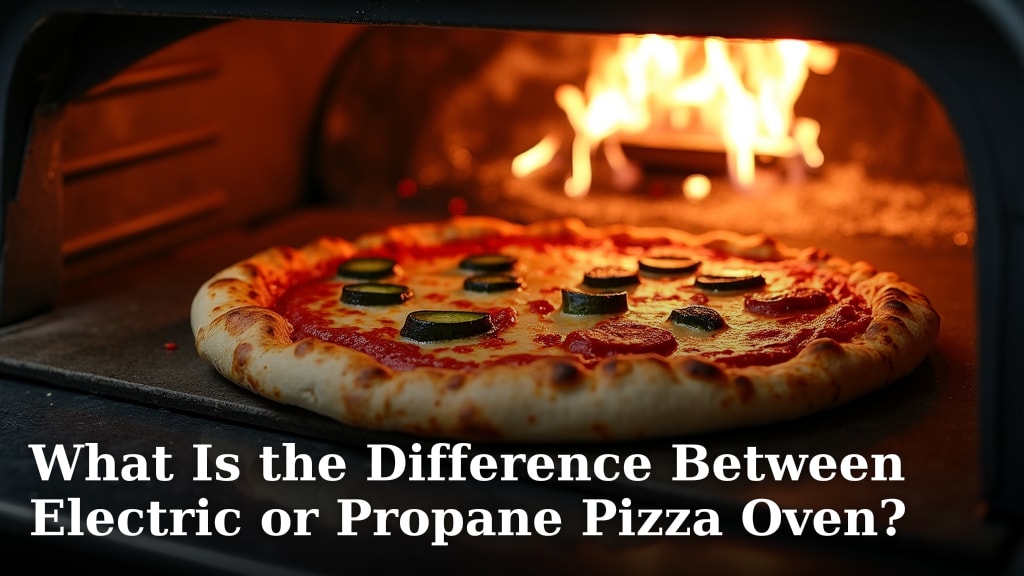
The main difference between an electric and propane pizza oven lies in their fuel source and portability. Electric ovens are great for indoor use, while propane ovens offer more flexibility for outdoor cooking. Your choice really depends on your specific needs and where you plan to make pizza.
We found that each type brings unique benefits to your pizza-making experience. Do you prioritize convenience and quick setup, or is the authentic taste of a flame-cooked crust more your style? Understanding these differences helps you pick the perfect oven for your home.
- Electric ovens are best for indoor use.
- Propane ovens offer better portability.
- Consider your cooking location.
- Think about desired crust texture.
Let’s dive into the details so you can make an informed decision for your next pizza night.
Comparing Electric vs. Propane Pizza Ovens
Understanding the key differences between these ovens helps you pick the right one. It really comes down to how and where you like to cook.
Fuel Source: The Core Difference
Your oven’s fuel source dictates its power and performance. It’s the engine behind your pizza-making.
Electric Pizza Ovens: Power from the Grid
Electric ovens use standard household electricity to heat up. You simply plug them into a wall outlet. They don’t need any special gas lines or tanks. This makes them super convenient for indoor use, like in your kitchen or garage. They rely on heating elements to cook your pizza, similar to a regular kitchen oven but at much higher temperatures.
Propane Pizza Ovens: Fueling with Gas
Propane ovens connect to a propane tank, just like your gas grill. This gives them amazing portability. You can take them to tailgates, camping, or just out to your patio. They use a flame to cook, which can give your pizza a distinct flavor. This open flame also reaches higher temperatures very quickly, which is a big plus for pizza crusts.
Temperature and Cooking Performance
The heat your oven can reach dramatically impacts your pizza’s crust and cook time. Higher heat often means better pizza.
Maximum Temperature Reach
Propane ovens typically achieve much higher temperatures than electric models. Many can reach upwards of 900°F (482°C). This intense heat is what creates that classic Neapolitan-style crust: crispy on the outside, chewy on the inside, with those beautiful char spots (leopard spotting). Electric ovens generally top out around 700°F (371°C). While still hot, it’s a different level of heat.
Cooking Speed and Crust Quality
With those higher temperatures, propane ovens cook pizzas incredibly fast. We found some models can cook a pizza in as little as 60-90 seconds. This speed is crucial for preventing the crust from drying out. Electric ovens take a bit longer, usually 3-6 minutes per pizza. The crust from an electric oven will be crispy but might not have the same airy texture and blistered char of a propane oven’s crust. It’s a slightly different experience.
Portability and Setup
Where do you plan to make pizza? This question will strongly guide your choice.
Electric Ovens: Stay-at-Home Chefs
Electric pizza ovens are perfect for stationary use. You set them up in one spot, plug them in, and you’re good to go. They don’t require outdoor space or worrying about gas tanks. However, their reliance on an electrical outlet means they aren’t ideal for picnics or outdoor adventures far from power. We often found people placing them on kitchen counters or dedicated outdoor kitchen areas with readily available power.
Propane Ovens: The Adventurous Cook
Propane ovens are the champions of portability. They run on a propane tank, which means you can use them almost anywhere. Backyard parties, camping trips, even a friend’s house – just bring the oven and a tank. Their outdoor nature means you don’t have to worry about smoke or heat buildup inside your home. This freedom is a major draw for many pizza enthusiasts, as we’ve observed.
Convenience and Maintenance
How much effort do you want to put into your pizza-making routine?
Ease of Use
Electric ovens are generally simpler to operate. You plug it in, turn it on, set the temperature, and wait. There’s no fiddling with gas connections. They also tend to have more precise temperature control. Propane ovens require connecting a tank and often lighting a burner, which is still very simple but a step more involved. Both types are generally easy to use once you get the hang of them, but electric has a slight edge in simplicity.
Cleaning and Upkeep
Cleaning both types of ovens is fairly straightforward. For electric ovens, you typically wipe down the interior and exterior once cooled. Some models have self-cleaning functions or removable stones that are easy to clean. Propane ovens also require wiping down and cleaning the cooking surface. You’ll also need to monitor your propane tank levels and refill or swap tanks when empty, which is an additional upkeep consideration compared to an electric oven.
Cost Considerations
Your budget plays a role, both for the oven itself and its ongoing operation.
Initial Purchase Price
The upfront cost for both electric and propane pizza ovens can vary widely. You can find basic models of both for a few hundred dollars, while high-end options can run over a thousand. We found that entry-level propane ovens often offer a slightly better bang for your buck in terms of heat and speed compared to similarly priced electric models. However, this isn’t a hard and fast rule; great deals exist for both.
Operating Costs
For electric ovens, your operating cost is tied to your electricity bill. The exact cost depends on your local rates and how often you use the oven. For propane ovens, you’ll need to purchase or refill propane tanks. The cost of propane can fluctuate, but it’s a separate expense to consider. Many people find the cost of propane to be more noticeable than the incremental increase on their electricity bill from an electric oven, especially with frequent use. It’s like comparing gas for your car to adding a small appliance to your home energy use.
Safety Aspects
Your safety is always important when cooking with high heat.
Electric Oven Safety
Electric ovens are generally considered very safe for indoor use. They don’t produce open flames or carbon monoxide. The main safety concerns are proper electrical connections and avoiding contact with hot surfaces. Always ensure your outlet can handle the oven’s power draw (check the wattage) to prevent circuit overloads. Keep children and pets away when it’s hot, as we would with any kitchen appliance.
Propane Oven Safety
Propane ovens, by nature, involve an open flame and propane gas. This means they are best used outdoors in a well-ventilated area to prevent gas buildup. Proper handling of propane tanks and ensuring secure connections are vital. Always follow the manufacturer’s instructions for lighting and operating. Carbon monoxide detectors are a good idea if you use any gas appliance indoors, though propane ovens are primarily for outdoor use.
Making Your Choice: A Quick Checklist
Still on the fence? Ask yourself these questions to help narrow it down:
- Do I primarily want to cook indoors or outdoors?
- How important is that authentic, flame-kissed crust to me?
- Am I looking for maximum portability, or will my oven stay put?
- What’s my budget for both the oven and its ongoing fuel?
- How quickly do I want my pizzas to cook?
- Is precise temperature control more important than raw heat?
Summary Comparison Table
Here’s a quick overview to help visualize the main distinctions between the two.
| Feature | Electric Pizza Oven | Propane Pizza Oven |
|---|---|---|
| Fuel Source | Electricity (plug-in) | Propane Gas Tank |
| Max Temperature | Up to ~700°F | Up to ~950°F+ |
| Cooking Speed | 3-6 minutes per pizza | 60-90 seconds per pizza |
| Best Location | Indoor (kitchen, garage) | Outdoor (patio, camping) |
| Portability | Low (requires outlet) | High (take anywhere) |
| Crust Style | Crispy, evenly cooked | Neapolitan-style, char spots |
| Setup | Plug and play | Connect propane tank |
| Safety Note | Electrical considerations | Ventilation, gas handling |
Conclusion
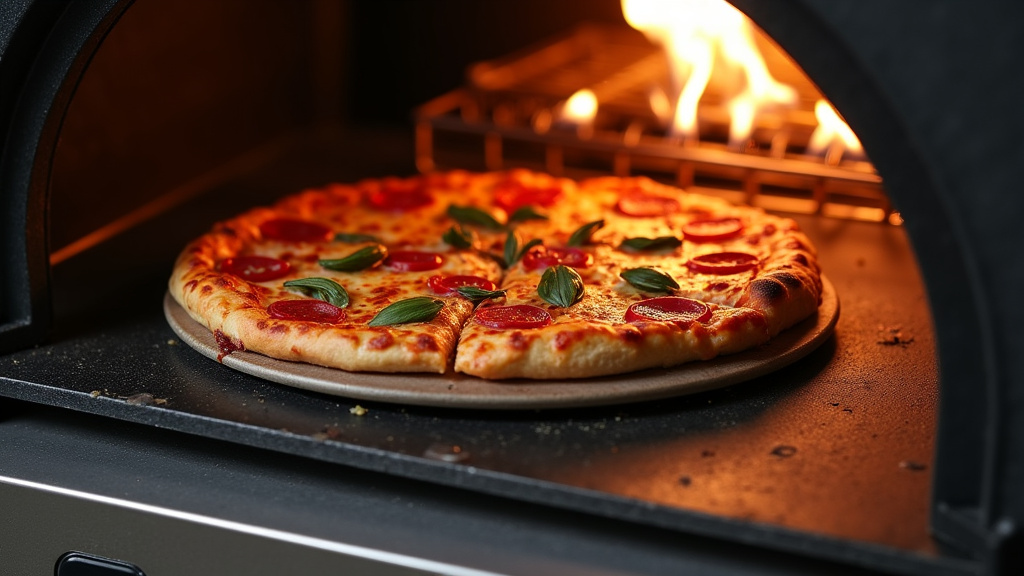
Choosing between an electric and propane pizza oven boils down to your lifestyle and pizza preferences. If you value indoor convenience, precise temperature control, and a consistently crispy crust, an electric oven is likely your match. For those craving the authentic, flame-kissed taste of Neapolitan-style pizza, high temperatures, and the freedom to cook anywhere, propane is the clear winner. Consider where you’ll cook most often, your budget for ongoing fuel, and the type of crust you truly love. We hope this guide helps you find your perfect pizza-making companion!
Frequently Asked Questions
Can I use a propane pizza oven indoors if I open a window?
No, you should never use a propane pizza oven indoors, even with an open window. Propane ovens produce carbon monoxide, which is odorless and deadly. They are designed exclusively for outdoor use in well-ventilated areas to ensure your safety.
Do electric pizza ovens taste as good as propane ones?
The taste experience differs. Electric ovens produce a delicious, evenly cooked pizza with a crispy crust, similar to a high-end kitchen oven. Propane ovens, with their higher heat and open flame, can create a more authentic, Neapolitan-style pizza with characteristic charring and a unique smoky flavor that many pizza aficionados prefer.
Is one type of pizza oven harder to clean than the other?
Generally, cleaning both types is straightforward. Electric ovens might require less fuss since you’re just wiping surfaces and perhaps removing a stone. Propane ovens also need surface cleaning, but you also have the added task of managing and refilling propane tanks, which is an extra step in maintenance.
Will an electric pizza oven significantly increase my electricity bill?
The impact on your electricity bill depends on how often you use it and your local electricity rates. While they draw a good amount of power, they cook quickly. Many users find the increase to be manageable, similar to running another large kitchen appliance, rather than a significant spike.
Can I achieve the “leopard spots” on my pizza crust with an electric oven?
It’s very difficult to achieve true “leopard spotting” (the desirable charred bubbles on the crust) with most electric pizza ovens. This effect requires extremely high temperatures (over 800°F) that typically only propane or wood-fired ovens can reach. Electric ovens will give you a great crispy crust, but usually without those intense char marks.
