
What Is the Difference Between Indoor or Outdoor Pizza Oven?
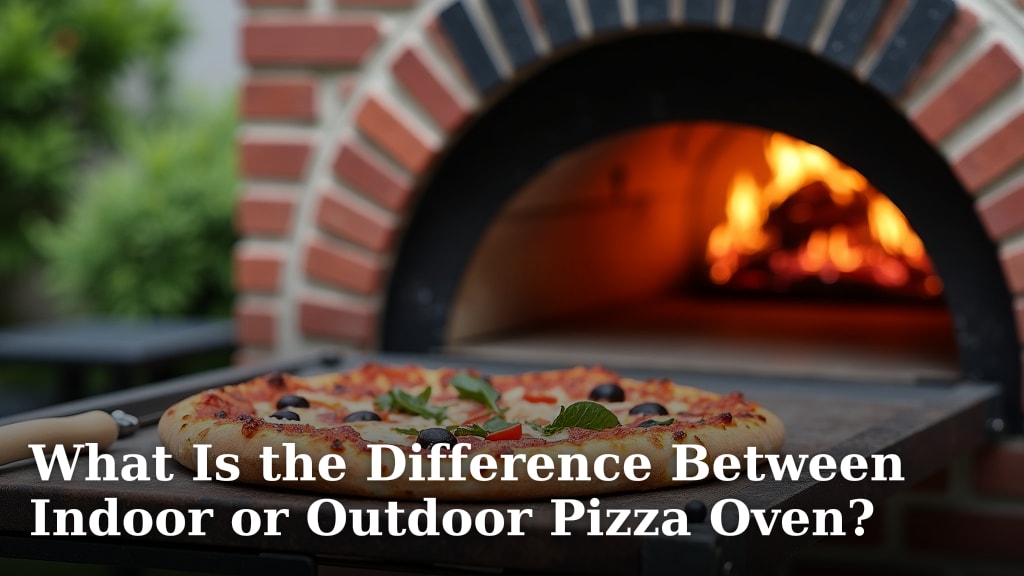
The main difference between an indoor and outdoor pizza oven is how they manage heat and their placement. Outdoor ovens are built for high-heat cooking in open-air environments, while indoor ovens are designed for safe use inside your home, often with different ventilation needs. Think about where you’ll cook the most.
You’re probably wondering which one is right for your home, right? We found that both types of ovens offer delicious, crispy crusts and perfectly melted cheese. Your choice really depends on your available space and how often you plan to whip up those tasty pies.
TL;DR
- Outdoor ovens handle extreme heat well.
- Indoor ovens need careful ventilation.
- Space and frequency of use matter most.
- Both make great pizza!
Let’s walk through everything you need to know to pick the perfect pizza oven for your culinary adventures. We’ll help you decide between an indoor or outdoor setup.
Indoor vs. Outdoor Pizza Ovens: Key Distinctions
When you’re dreaming of homemade pizza, you’ll find two main categories of ovens: those for your kitchen and those for your backyard. The biggest difference lies in their design and where they can safely operate. Understanding these distinctions helps you pick the right oven for your pizza-making journey.
Understanding Indoor Pizza Ovens
Indoor pizza ovens bring the pizzeria experience into your home kitchen. They are designed with safety and convenience in mind. You can use these ovens regardless of the weather outside. We found they generally fall into a few types, each with its own advantages.
Electric Countertop Ovens
These are often the most accessible indoor option. Electric countertop ovens are typically compact. They plug right into your standard kitchen outlet. Many of these ovens reach temperatures between 700°F and 800°F, which is much hotter than a conventional kitchen oven (Consumer Reports). This high heat is key for achieving that perfectly crispy crust and melted cheese in just a few minutes.
You’ll love how easy they are to use. Just preheat, slide your pizza in, and watch it cook! They don’t require special ventilation beyond what your kitchen already has. They’re also easy to store when not in use. You might find them taking up some counter space, but the convenience often outweighs that.
Built-in Kitchen Ovens (Specialized)
Some premium kitchen remodels include dedicated built-in pizza ovens. These are integrated directly into your cabinetry. They often run on electricity or gas. These specialized ovens can reach extremely high temperatures, sometimes over 900°F. This allows for truly authentic Neapolitan-style pizza right in your home.
Installation for these ovens is more involved. They require professional setup and often need a dedicated vent system. This ensures that any smoke or excess heat is safely removed from your home. It’s a significant investment but offers a seamless kitchen aesthetic and top-tier performance.
Exploring Outdoor Pizza Ovens
Outdoor pizza ovens are built for the elements and for cooking in the open air. They often produce more smoke and heat. This is why they need to be placed outside. You have a lot of flexibility with outdoor models, from portable units to permanent structures.
Wood-Fired Ovens
Many people associate outdoor pizza ovens with the classic wood-fired experience. These ovens use wood as their primary fuel source. They can reach temperatures exceeding 900°F, giving your pizza a unique, smoky flavor and that desirable charred crust (Food & Wine Magazine). You’ll enjoy the ritual of building a fire and tending it. It’s part of the charm.
Wood-fired ovens require a chimney or flue for proper ventilation. This directs smoke upwards and away from your cooking area. They also need a safe, non-combustible surface to sit on. You’ll need to consider wood storage as well. The authentic flavor is often worth the extra effort for many enthusiasts.
Gas-Fired Ovens (Propane/Natural Gas)
For convenience and quick heating, gas-fired outdoor ovens are a popular choice. They run on either propane tanks or can be connected to a natural gas line. These ovens heat up very quickly and offer precise temperature control. You can often reach 800-900°F in just minutes.
Gas ovens produce less smoke than wood-fired models. This makes cleanup easier. They still need to be used outdoors due to the heat they generate. Many models are portable, allowing you to move them around your patio or even take them camping. You’ll find them a great balance between tradition and modern ease of use.
Hybrid Ovens
Some outdoor ovens offer the best of both worlds. These hybrid models allow you to use either wood or gas as fuel. You might start with gas to quickly preheat the oven. Then, you can add a small amount of wood for that distinct smoky flavor. This gives you ultimate flexibility in your cooking style. You can experiment with different flavors and cooking methods.
Key Differences in Placement and Environment
The most obvious difference is right in the name: indoor versus outdoor. This isn’t just about where they sit; it impacts everything from safety to flavor.
- Ventilation Needs: Indoor ovens generally have internal ventilation or rely on standard kitchen hoods. Outdoor ovens are designed for open-air use, allowing heat and smoke to dissipate naturally.
- Heat Management: Outdoor ovens are built to withstand and radiate intense heat. They don’t have to worry about overheating an enclosed space. Indoor ovens are more contained and insulated to keep kitchen temperatures manageable.
- Fuel Sources: Indoor ovens typically use electricity or sometimes natural gas from your home line. Outdoor ovens can use wood, charcoal, propane, or natural gas, giving you more options for flavor and convenience.
- Weather Impact: You can use indoor ovens year-round, rain or shine. Outdoor ovens are subject to weather conditions. You might need a cover to protect them when not in use.
- Footprint and Portability: Many indoor models are countertop units. Some outdoor ovens are highly portable, while others are large, permanent fixtures.
Comparing Performance and Cooking Experience
Both types of ovens make delicious pizza. However, the experience and subtle outcomes can vary.
| Feature | Indoor Pizza Oven | Outdoor Pizza Oven |
|---|---|---|
| Max Temperature | Up to 850°F (some built-ins higher) | Up to 950°F+ |
| Cooking Time | 2-6 minutes | 60-90 seconds (Neapolitan style) to 5 minutes |
| Flavor Profile | Pure, consistent bake; no smoky flavor | Smoky, charred flavor (wood/charcoal); pure bake (gas) |
| Setup/Cleanup | Easy plug-and-play; minimal cleanup | Varies (fuel management, ash cleanup for wood) |
| Atmosphere | Convenient, everyday cooking | Event-driven, social, outdoor dining |
Cost Considerations for Your Pizza Oven
The price tag can vary widely for both indoor and outdoor models. Generally, you’ll find that entry-level countertop indoor ovens are the most affordable. Outdoor portable gas ovens also offer a good value. Built-in models, whether indoor or outdoor, represent a larger investment due to installation costs and premium features. Remember to factor in fuel costs, too! Wood can be cheaper per use but requires storage and effort.
Safety Guidelines for Each Oven Type
Safety is paramount, no matter where you cook. Always read your oven’s manual carefully. We can’t stress this enough (National Fire Protection Association).
Indoor Safety Tips
- Always operate on a stable, heat-resistant surface.
- Keep clear of walls, cabinets, and any flammable materials.
- Ensure your kitchen has adequate ventilation, especially for electric ovens.
- Never leave a hot oven unattended.
- Use oven mitts or peels to handle hot pizza and stones.
Outdoor Safety Tips
- Place your oven on a level, non-combustible surface like concrete or stone.
- Maintain a safe distance from buildings, fences, trees, and other structures.
- Always check for overhead obstructions, especially for wood-fired ovens with chimneys.
- Have a fire extinguisher or water source nearby, especially for wood-fired models.
- Never use an outdoor oven indoors, even in a garage or screened porch. This creates a carbon monoxide risk (CDC).
- Protect your oven from rain and extreme weather when not in use.
Making Your Decision: Indoor or Outdoor?
Now that you know the ins and outs, how do you choose? Think about your lifestyle and cooking habits. Do you love entertaining outside? Or do you prefer quick, easy meals in your kitchen?
Consider Your Space and Environment
Do you have a spacious backyard or patio? Or are you in an apartment with limited outdoor space? Your physical environment plays a huge role. If you only have a small balcony, a large wood-fired oven is likely not an option.
Think About Frequency of Use
How often do you plan to make pizza? If it’s a weekly family tradition, convenience matters. If it’s for occasional parties, a more involved setup might be part of the fun.
Your Pizza Preferences
Are you chasing that authentic, smoky, wood-fired flavor? Or do you prioritize speed and consistency? Your taste buds will guide you here. Both oven types create incredible pizza, but the nuances are there.
A Quick Checklist to Guide Your Choice
To help you decide, ask yourself these questions:
- Do I have ample, safe outdoor space for an oven?
- How important is that smoky, charred flavor to me?
- Do I mind managing fuel like wood or propane?
- Will I mostly cook pizza for casual meals or special gatherings?
- Is my budget more aligned with a portable unit or a permanent installation?
- How important is year-round usability, regardless of weather?
Conclusion
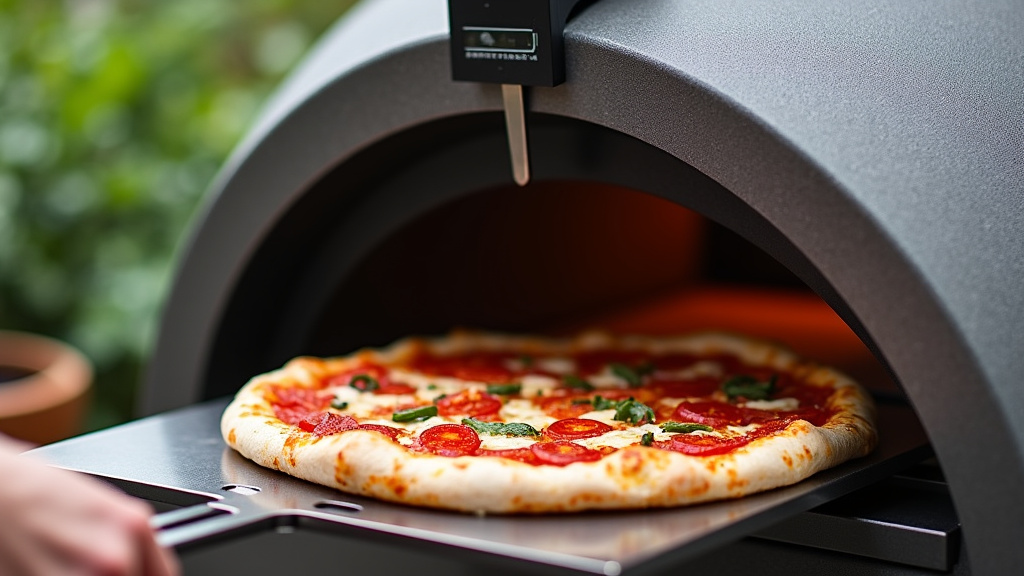
Choosing between an indoor and outdoor pizza oven really comes down to your personal preferences and living situation. We found that both offer fantastic results for homemade pizza. Whether you prioritize the cozy convenience of an indoor model or the authentic, social experience of an outdoor oven, you’re in for some delicious pies.
Consider your space, how often you’ll bake, and the flavors you crave. By weighing these factors, you can confidently select the perfect pizza oven to elevate your home cooking and create memorable meals for years to come.
Frequently Asked Questions
Can I use an outdoor pizza oven indoors if I have good ventilation?
No, you should never use an outdoor pizza oven indoors, even with good ventilation. Outdoor ovens produce carbon monoxide and intense heat. This creates serious safety risks like carbon monoxide poisoning and fire hazards when used in enclosed spaces.
How much faster do outdoor pizza ovens cook compared to indoor ones?
Outdoor pizza ovens, especially high-temperature wood-fired or gas models, often cook much faster. They can reach higher temperatures, sometimes over 900°F. This allows for Neapolitan-style pizzas to cook in as little as 60-90 seconds, whereas indoor models typically take 2-6 minutes.
Do indoor pizza ovens make a lot of smoke?
Most indoor electric countertop pizza ovens produce very little smoke, similar to a toaster oven. Built-in gas models also manage smoke well. Any smoke generated is usually handled by your kitchen’s existing ventilation system, making them clean to operate indoors.
What kind of maintenance does an outdoor wood-fired oven require?
Outdoor wood-fired ovens require more maintenance than indoor electric models. You’ll need to clean out ash after each use and periodically inspect the chimney for creosote buildup. Protecting the oven from weather with a cover is also important to prolong its lifespan.
Is it more expensive to operate a gas or wood-fired outdoor pizza oven?
The operating cost can vary. Propane tanks need refilling, and natural gas has a consistent utility cost. Wood requires purchasing or sourcing logs, which can be cheaper per use but also involves more labor and storage. We found that both offer cost-effective options depending on your local fuel prices and usage frequency.
