
Which Is Better Wooden or Metal Pizza Peel?
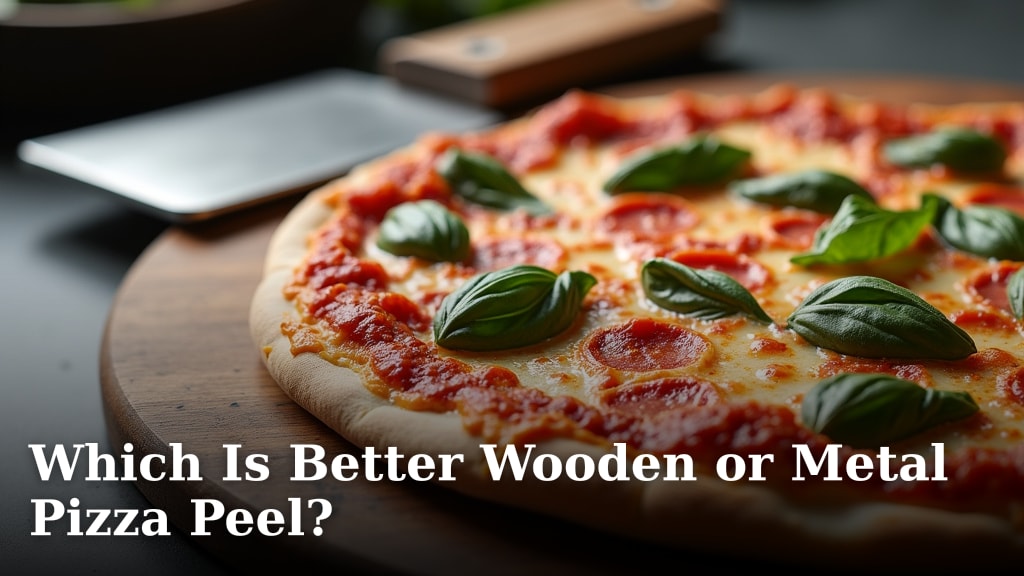
When choosing between a wooden or metal pizza peel, neither is definitively “better” for all tasks; each has unique strengths. We found that wooden peels excel at launching raw dough into a hot oven, while metal peels are superior for retrieving cooked pizzas.
Your ideal choice often depends on your primary use case and oven type. Many home bakers find having both types of peels offers the most versatility. We researched and found that the material affects everything from dough stickiness to overall durability.
- Wooden peels: great for launching raw dough.
- Metal peels: ideal for retrieving cooked pizzas.
- Consider your oven type and personal preference.
- Many home cooks prefer having one of each.
Let’s dive into the details and help you decide which pizza peel is right for your kitchen setup.
Wooden vs. Metal Pizza Peels: Which Is Right for Your Kitchen?
Deciding between a wooden or metal pizza peel boils down to understanding their distinct advantages. We found that each material excels in different stages of the pizza-making process.
Understanding Wooden Pizza Peels
Wooden peels are often the traditional choice for launching raw dough. They have a certain rustic charm, don’t they? But there’s more to it than just aesthetics.
Advantages of Wooden Peels
Wooden peels are fantastic for handling raw dough. Their porous surface helps prevent sticking. Think of it like a lightly floured countertop.
- Reduced sticking: The wood absorbs a little moisture from the dough. This creates a natural barrier.
- Better for launching: Dough slides off wood more easily into a hot oven. This means fewer mangled pizzas.
- Cooler to the touch: Wood doesn’t conduct heat as quickly as metal. It’s safer to handle near a hot oven.
- Traditional feel: Many home bakers love the classic look and feel of wood. It adds to the experience.
Disadvantages of Wooden Peels
While great for launching, wooden peels have some downsides. They require more care and can be a bit bulky.
- Harder to clean: Wood can absorb food odors and stains. You can’t just throw it in the dishwasher.
- Requires seasoning: Like a cutting board, a wooden peel benefits from occasional oiling. This prevents drying and cracking.
- Thicker edge: The thicker edge can make it harder to slide under a cooked pizza. Retrieval can be tricky.
- Not dishwasher safe: High heat and prolonged soaking can warp or crack the wood.
- Can splinter: Over time, wooden peels can splinter. This isn’t ideal for food contact.
Understanding Metal Pizza Peels
Metal peels, typically aluminum or stainless steel, offer a different set of benefits. They are known for their thin profile and durability.
Advantages of Metal Peels
Metal peels are the workhorses for retrieval. Their thin blade makes them perfect for slipping under a hot, crispy crust.
- Thin edge: This makes it easy to get under a cooked pizza. You can slide it out effortlessly.
- Durable and long-lasting: Metal peels can withstand high temperatures. They are less prone to breaking.
- Easy to clean: Most metal peels are dishwasher safe. A quick wash usually does the trick.
- Versatile for retrieval: Excellent for rotating pizzas too. You can adjust the pizza in the oven.
- Lightweight options: Many aluminum peels are very light. This makes them easy to maneuver.
Disadvantages of Metal Peels
While great for some tasks, metal peels aren’t always the best for launching raw dough. They can be a bit sticky.
- Dough sticking issues: Raw dough tends to stick to metal more easily. You need more flour or cornmeal.
- Conducts heat: Metal gets hot quickly in the oven. You need to be careful with handling.
- Can scratch surfaces: A sharp metal edge can scratch your oven or countertops.
- Less traditional feel: Some people prefer the aesthetic of wood. Metal feels more industrial.
Factors to Consider When Choosing Your Pizza Peel
Your choice depends on a few key factors. Think about your oven, your baking habits, and how often you make pizza.
Your Oven Type
What kind of oven do you have? This plays a big role.
- Pizza ovens (wood-fired, gas, electric): These ovens get extremely hot. A metal peel is often preferred for retrieval due to its durability.
- Home kitchen ovens: Both types work well. If you’re new to pizza, a wooden peel might be easier for launching.
Frequency of Use
How often do you bake pizza? If it’s a weekly ritual, durability matters.
- Occasional baker: A single wooden peel might suffice.
- Frequent baker: Investing in both types offers the most flexibility.
Your Skill Level
Are you a seasoned pizzaiolo or just starting out? No judgment here, we all start somewhere.
- Beginner: A wooden peel is generally more forgiving for launching.
- Experienced: You might prefer a metal peel for its thin profile and control.
The Best of Both Worlds: Owning Both Peels
Many home bakers discover that having both a wooden and a metal peel is the ultimate solution. Why limit yourself, right?
We found that this combination allows you to leverage the strengths of each material. You get the best launch and the best retrieve.
How to Use Both Peels Effectively
Here’s a common workflow that many enthusiasts adopt (Serious Eats):
- Wooden peel for launching: Use your wooden peel, generously floured, to transfer the raw dough into the hot oven. Its non-stick properties shine here.
- Metal peel for rotating and retrieving: Once the pizza is baking, use your metal peel to rotate it for even cooking. Then, use its thin edge to scoop out the finished pizza.
Maintenance and Care for Your Pizza Peels
Proper care ensures your peels last a long time. They are tools, after all, and good tools need good care.
Caring for Wooden Peels
Treat your wooden peel like a good cutting board. It will thank you for it.
- Hand wash only: Use warm water and mild soap. Rinse quickly.
- Dry immediately: Don’t let it soak. Towel dry and air dry completely.
- Oil regularly: Apply food-grade mineral oil every few weeks or months. This prevents drying and cracking.
- Avoid high heat: Don’t leave it in a hot oven. It can warp or burn.
Caring for Metal Peels
Metal peels are generally easier to maintain. They are quite robust.
- Dishwasher safe: Most metal peels can go in the dishwasher. Check manufacturer instructions.
- Hand wash for longevity: A quick hand wash often gets them clean just fine.
- Dry thoroughly: Prevents water spots, especially on stainless steel.
- Store carefully: Avoid dinging the thin edge. Hang it up or store it flat.
Quick Checklist for Choosing Your Pizza Peel
Still on the fence? Use this quick checklist to guide your decision:
- Do you struggle with raw dough sticking? (Consider wood)
- Do you need to retrieve pizzas from a very hot oven? (Consider metal)
- Is ease of cleaning a top priority? (Consider metal)
- Do you prefer a traditional look and feel? (Consider wood)
- Are you willing to buy two peels for maximum versatility? (Consider both)
- What’s your budget? (Wooden peels can sometimes be more affordable)
| Feature | Wooden Pizza Peel | Metal Pizza Peel |
|---|---|---|
| Dough Sticking | Less likely to stick (porous surface) | More likely to stick (smooth surface) |
| Launching Raw Dough | Excellent | Requires more flour/cornmeal |
| Retrieving Cooked Pizza | Thicker edge can make it harder | Thin edge makes it easy |
| Durability | Can warp/crack if not cared for | Very durable, resistant to heat |
| Cleaning | Hand wash, requires seasoning | Dishwasher safe, easy to clean |
| Heat Conduction | Low (stays cooler) | High (gets hot quickly) |
Conclusion
Choosing between a wooden or metal pizza peel doesn’t have to be an “either/or” situation. We found that each material truly shines in different moments of your pizza-making journey. For effortless raw dough launches, your wooden peel is a star. For seamless retrieval of a perfectly cooked pie, the metal peel can’t be beaten.
Ultimately, the best approach for most home bakers is to equip your kitchen with both. This way, you get the distinct advantages of each, ensuring a smoother, more enjoyable pizza experience every time. Don’t limit your pizza potential—consider investing in this versatile duo today!
Frequently Asked Questions
Should I use flour or cornmeal on my pizza peel?
You can use either flour or cornmeal to prevent sticking, but they each have pros and cons. Flour provides a smooth glide, but too much can burn and taste bitter. Cornmeal creates tiny ball bearings for the dough to slide on and adds a nice texture to the crust, but can be a bit messy.
How do I prevent dough from sticking to a metal pizza peel?
To prevent sticking on a metal peel, always use a generous amount of flour or cornmeal. You can also quickly slide the dough on and off a few times before adding toppings to create a barrier. Work quickly once the dough is topped, as moisture will make it stick more.
Can a wooden pizza peel go in the oven?
No, a wooden pizza peel should not go into a hot oven for extended periods. The high heat can scorch, warp, or even ignite the wood. Use it only for launching the pizza, then remove it immediately from the oven.
What size pizza peel should I buy?
The ideal pizza peel size depends on your oven and the pizzas you make. Measure your oven’s door and internal space to ensure the peel fits comfortably. For home ovens, a peel with a 12-14 inch wide head is usually a good starting point, allowing you to make standard-sized pizzas.
How often should I oil my wooden pizza peel?
You should oil your wooden pizza peel whenever it looks dry or dull, much like a wooden cutting board. For regular users, this might be every few weeks or once a month. Oiling prevents cracking and helps maintain its non-stick properties.
