
What Is the Difference Between Pizza Stone or Pizza Steel?
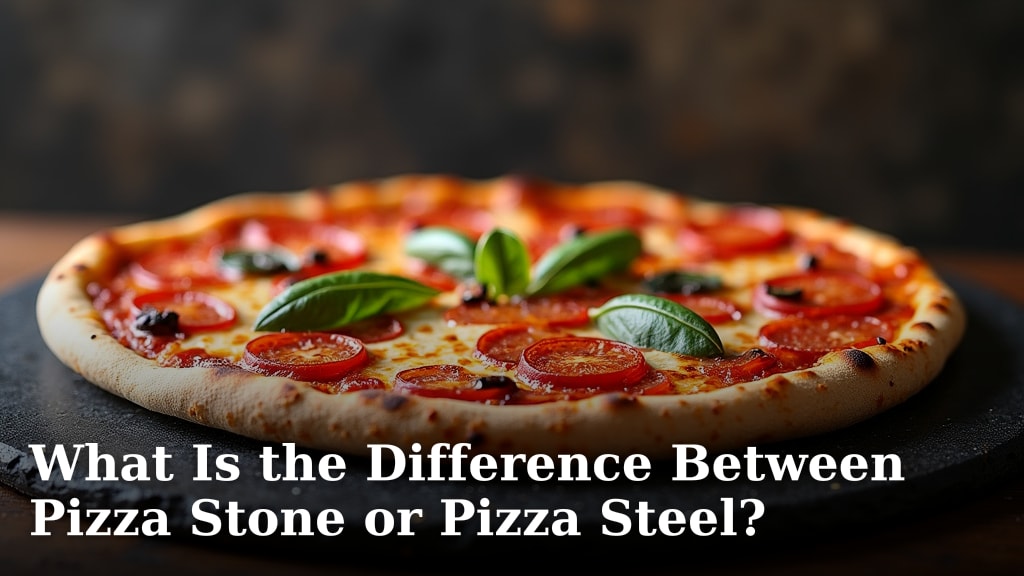
The main difference between a pizza stone and pizza steel is their heat conductivity and speed. Pizza steel heats up faster and retains heat much better than a pizza stone, giving you a crispier crust in less time. Pizza stones offer a more gradual, even bake.
When you’re trying to achieve that perfect homemade pizza, the cooking surface matters a lot. Each material has unique properties that affect how your pizza cooks. Understanding these differences helps you choose the best tool for your kitchen.
- Pizza steel heats quicker.
- Pizza steel gives a crispier crust.
- Pizza stone provides a more even bake.
- Both are great for homemade pizza.
Ready to bake some delicious pizza? Let’s break down everything you need to know about pizza stones and pizza steels, so you can pick the right one for your culinary adventures.
What Separates Pizza Stones from Pizza Steels?
The core differences between a pizza stone and a pizza steel lie in their materials, heat properties, and the resulting pizza crust. Understanding these helps you choose the right tool for your delicious homemade pies.
Pizza Stone: The Traditional Baker’s Choice
Imagine baking pizza for centuries; what would you use? Likely something like a pizza stone. These have been around for a long time.
Material and Composition
A pizza stone is typically made from porous ceramic, cordierite, or natural clay materials. These materials are chosen for their ability to absorb moisture. This absorption helps prevent a soggy crust.
When you place it in your oven, the stone heats up slowly and evenly. This slow heating is essential for its performance.
Heat Absorption and Distribution
Pizza stones are excellent at **absorbing and retaining heat** gradually. Think of it like a very hot, dry floor for your pizza. It releases heat into your pizza’s crust at a steady rate.
This even, consistent heat transfer is what many traditional pizza makers love. It mimics a brick oven quite well (Serious Eats).
The Result: A Crispy, Evenly Cooked Crust
The gradual heat means your pizza cooks more slowly, allowing the dough to fully develop. You get a crust that’s **crisp but still slightly chewy**. It’s not usually as blackened or “blistered” as pizza steel can produce.
The moisture-absorbing properties also play a big role. It helps you get that delightful crunch without the dreaded “gum line” in your crust.
Pizza Steel: The Modern Performance Powerhouse
Now, let’s talk about the newer kid on the block: pizza steel. This tool has gained a lot of popularity for its ability to deliver **restaurant-quality results** at home.
Material and Composition
Pizza steels are crafted from solid steel, often carbon steel or a similar high-performance metal. Steel is known for its **density and thermal conductivity**.
This heavy-duty material is built to withstand very high temperatures without cracking. That’s a big advantage over some stones.
Heat Absorption and Distribution
Here’s where pizza steel really shines: it **heats up much faster** than a stone. Not only that, it holds significantly more heat energy per cubic inch (America’s Test Kitchen).
When you slide your pizza onto a hot steel, there’s an **intense burst of heat**. This quick transfer is similar to what happens in a commercial pizza oven.
The Result: A Super Crispy, Blistered Crust
Because of that rapid heat transfer, pizza steel gives you an incredibly **crispy bottom crust**. You often see those beautiful, slightly charred “leopard spots” on the bottom of the crust.
Your pizza will cook faster, too. This quick cooking means your toppings don’t overcook while the crust is still catching up. Pizza steel helps make a crust that’s both **crisp and airy**.
Comparing the Two: Head-to-Head
Let’s put them side-by-side. Thinking about a few key factors can help you decide which is better for your home kitchen.
Performance Metrics
When you’re trying to achieve different pizza styles, performance matters. Each tool has its strengths.
Heat Up Time
- Pizza Stone: Takes longer to reach optimal temperature, usually 45-60 minutes in a hot oven.
- Pizza Steel: Heats up quickly, often ready in 25-35 minutes. This can save you time and energy.
Cooking Speed
- Pizza Stone: Cooks pizza at a moderate pace, perhaps 8-15 minutes for thin crust.
- Pizza Steel: Cooks much faster, sometimes in as little as 4-8 minutes. This is great for hosting pizza parties!
Crust Crispness
- Pizza Stone: Delivers a pleasingly crisp crust with a more traditional bake.
- Pizza Steel: Achieves an exceptionally crispy, often slightly charred, bottom crust.
Durability and Maintenance
Nobody wants a kitchen tool that breaks easily or is a nightmare to clean. Consider the long-term aspects of each.
Longevity
- Pizza Stone: Can crack if subjected to sudden temperature changes (thermal shock) or if dropped. Handle with care.
- Pizza Steel: Extremely durable. It can withstand drops and extreme temperatures without breaking. It’s truly a “buy it for life” item.
Care and Cleaning
- Pizza Stone: Don’t use soap, as it can be absorbed by the porous material. Scrape off excess food. Wipe with a damp cloth. It will season over time and develop dark spots, which is normal.
- Pizza Steel: Clean with hot water and a scraper. Dry thoroughly to prevent rust. Some suggest oiling it lightly after cleaning, much like cast iron.
| Feature | Pizza Stone | Pizza Steel |
|---|---|---|
| Material | Ceramic, Cordierite, Clay | Solid Steel (Carbon Steel) |
| Heat Time | Slow (45-60 min) | Fast (25-35 min) |
| Heat Retention | Good, gradual | Excellent, intense |
| Crust Style | Crisp, traditional, chewy | Super crispy, blistered, airy |
| Durability | Can crack with thermal shock | Nearly indestructible |
| Cleaning | No soap, scrape and wipe | Hot water, scrape, dry, oil |
| Cost (Avg.) | $$ | $$$ |
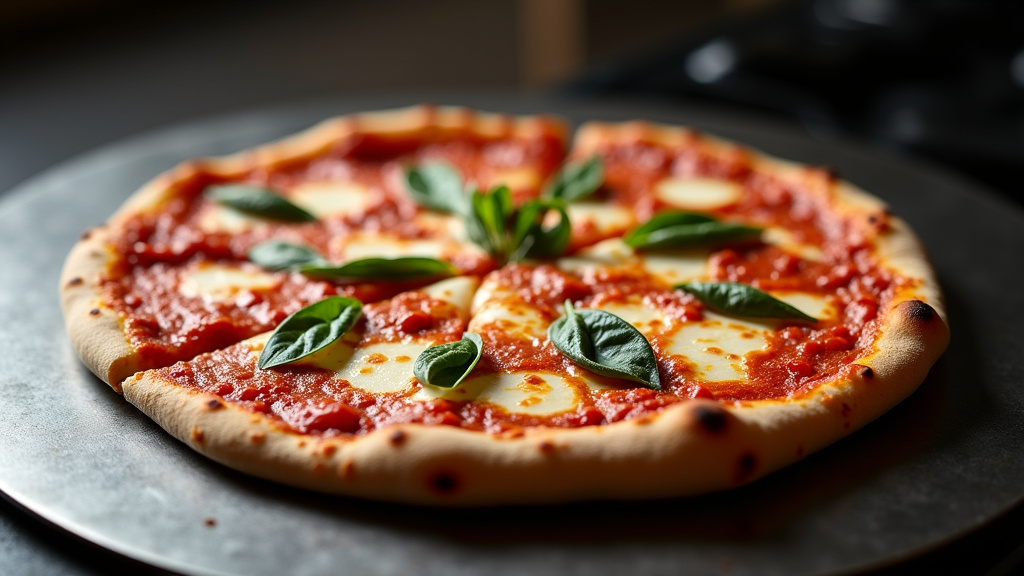
Choosing the Right Tool for You
So, which one should you choose? It really depends on your **pizza preferences and cooking style**.
When to Choose a Pizza Stone
If you love a more **traditional, evenly baked pizza**, a stone might be your best friend. It offers a consistent, gentler heat.
- You prefer a chewier crust with a crisp bottom.
- You’re often making thicker crust pizzas that need more time to cook through.
- You value the classic brick oven effect without the intensity.
- You’re working with a tighter budget, as stones are generally less expensive.
When to Choose a Pizza Steel
If you’re chasing that **domino-effect crispness** and a fast cook time, steel is probably for you. We found that pizza steels are often rated higher by users seeking a Neapolitan-style crust at home (Cook’s Illustrated).
- You want the crispiest crust possible, with potential for charring.
- You often make thin crust pizzas that cook quickly.
- You appreciate the **speedy baking** and recovery time (great for multiple pizzas).
- You’re looking for a **durable, long-lasting investment** that won’t crack.
- You want to push your home oven to its **maximum pizza-making potential**.
A Quick Checklist for Your Decision
Ask yourself these questions to help make your final choice:
- Do I prioritize an ultra-crispy, blistered crust?
- How important is durability and resistance to breaking?
- Am I willing to spend a bit more for quicker cooking times?
- Do I mind a longer preheat for a gradual bake?
- Do I lean towards thinner or thicker pizza crusts?
Conclusion
Choosing between a pizza stone and pizza steel truly comes down to your personal pizza perfection. Both tools greatly enhance your homemade pizza experience beyond just a baking sheet. If you crave intense crispness and quick cooking, steel is likely your champion. For a more traditional, evenly baked crust with a chewier texture, a stone will serve you well. Think about your preferred crust type, cooking speed, and how much durability you need. Once you decide, you’ll be one step closer to making your dream pizza at home!
Frequently Asked Questions
Can I use a pizza stone or steel on a grill?
Yes, you can use both a pizza stone and pizza steel on a grill. Pizza steel is generally more durable and less prone to thermal shock on a high-heat grill. Stones can crack on grills if not heated slowly and evenly.
Do I need to preheat a pizza stone or steel?
Absolutely! Preheating is essential for both. This allows them to absorb and store enough heat to instantly begin cooking your pizza crust when it’s placed on top, ensuring crispness.
How thick should a pizza stone or steel be?
For pizza stones, a thickness of 5/8 to 3/4 inch is common and works well. For pizza steels, thicker options (1/4 to 1/2 inch) retain more heat and deliver better results, especially for high-heat cooking.
Can I bake other foods on a pizza stone or steel?
You can definitely bake other items! Many people use them for baking bread, pastries, or even roasting vegetables. The concentrated heat helps create a great crust on bread and adds crispness to other baked goods.
Is one option more beginner-friendly than the other?
Both are quite beginner-friendly, but a pizza steel might be slightly more forgiving due to its durability. You don’t have to worry about it cracking from accidental drops or sudden temperature changes as much as a stone.
