
What Is the Difference Between Gas or Wood Pizza Oven?

The main difference between a gas or wood pizza oven largely comes down to flavor profile and convenience. Wood-fired ovens give you a distinct smoky taste, while gas ovens offer easier temperature control and faster startup times.
Choosing the right oven depends on your priorities. Do you value the traditional experience and unique taste of wood, or is speed and simplicity more your style? Both types of ovens can cook amazing pizza pies right in your backyard.
- Wood ovens: smoky flavor, traditional experience, longer heat-up.
- Gas ovens: consistent heat, quick startup, less char.
- Cost varies for both types, depending on size and features.
- Fuel matters: wood needs attention, gas is set-and-forget.
- Many home chefs love the hands-on fun of a wood-fired oven.
Let’s research and break down the specifics of each pizza oven type so you can pick the best one for your pizza nights.
Comparing Gas and Wood-Fired Pizza Ovens
When you’re dreaming of homemade pizza, the type of oven you choose fundamentally shapes your experience and the final taste. Let’s look at how gas and wood ovens stack up against each other.
Each oven type brings its own set of advantages and challenges. Understanding these can help you decide which one best fits your lifestyle and pizza-making aspirations.
The Flavor Factor: Taste Differences
The most talked-about difference often comes down to flavor. Many pizza enthusiasts swear by the unique taste a wood-fired oven imparts.
Wood-Fired Charm: Smoky and Authentic
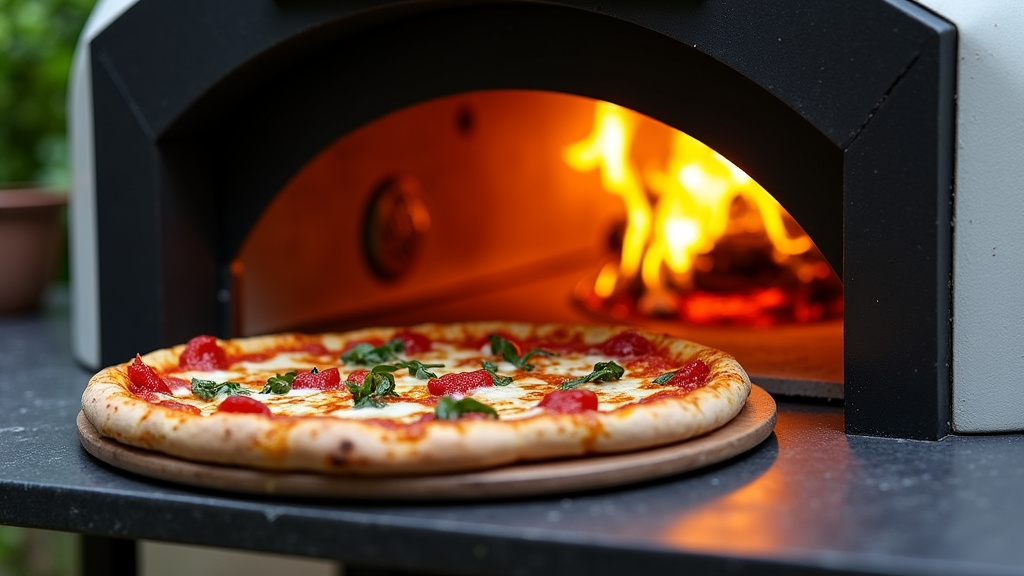
Imagine a pizza with a slightly charred, crispy crust and a subtle scent of wood smoke. This is the magic of a wood-fired oven.
The burning wood creates convection, radiant heat, and a small amount of smoke that infuses into your pizza. This gives it a distinctive, earthy flavor you can’t easily replicate.
The high, intense heat from wood also cooks pizzas incredibly fast, often in 60-90 seconds. This rapid cooking often results in a perfectly cooked crust with a soft, airy interior. This quick cook time helps seal in the flavors of your toppings.
Gas Oven Consistency: Clean and Control
Gas ovens, on the other hand, offer a “cleaner” flavor. You won’t get that smoky essence directly from the fuel source.
What you do get is consistent, controllable heat. This allows for a very even bake, which many home chefs appreciate. Your crust will be uniformly browned, and toppings will cook perfectly without any smoky overlay.
While some argue gas ovens lack the “authenticity” of wood, they still produce genuinely delicious pizzas. It’s more about a pure, unadulterated taste of your ingredients.
Heat Management and Performance
How an oven heats up and maintains temperature greatly impacts your pizza-making process.
Heating Up: Warm-Up Times and Temperature Control
Gas ovens are kings of convenience when it comes to heating. You simply turn a knob, and they reach cooking temperatures, often 700-900°F (370-480°C), within 15-30 minutes.
Maintaining a steady temperature is also effortless with gas. You can set it and forget it, making it ideal for busy evenings or multiple pizza batches.
Wood-fired ovens require more patience and skill. Getting them up to temperature can take anywhere from 45 minutes to 2 hours, depending on the oven size and wood type (University of Nebraska-Lincoln Extension).
You’ll need to constantly feed the fire, adjust logs, and monitor the flame. This hands-on process is part of the charm for many, but it’s a commitment.
Sustained Heat and Cooking Capacity
Once a wood-fired oven is hot, its thermal mass (the heavy, dense materials used in its construction) retains heat incredibly well. This allows you to cook multiple pizzas in quick succession without significant temperature drops.
Gas ovens can also handle multiple pizzas, but their heat recovery might be slightly slower between pies if you’re cooking at extremely high temperatures. However, modern gas ovens are very efficient.
Fuel, Maintenance, and Upkeep
Beyond the cooking, consider the practicalities of owning each type of oven.
Fuel Sourcing and Cost
For a gas oven, you’ll need either a propane tank or a natural gas hookup. Propane tanks are portable but need refilling or swapping. Natural gas offers unlimited supply but requires professional installation if you don’t already have an outdoor line.
The cost of gas can vary by region, but it’s generally a predictable expense.
Wood-fired ovens need, well, wood! You’ll need access to hardwood firewood (oak, maple, apple are popular choices). Green wood won’t burn efficiently and creates too much smoke. Finding seasoned wood can be an upfront investment, and storage is a consideration.
You might even enjoy sourcing your own wood, but remember it adds to the labor.
Cleaning and Overall Maintenance
Cleaning a gas oven is relatively straightforward. There’s no ash to remove, and occasional wiping down of surfaces is usually sufficient. Burners might need an infrequent check, but maintenance is minimal.
Wood-fired ovens require more routine cleaning. You’ll need to rake out ash after each use. Soot can build up on the oven dome, which burns off at high temperatures but might require occasional scraping. The overall process is more hands-on.
Cost Considerations: Initial Investment and Long-Term Value
The price tag for pizza ovens can vary wildly. It’s like buying a car; you can find entry-level models or luxury options.
Upfront Costs: Ovens and Installation
Portable gas ovens often have a lower initial cost, starting from a few hundred dollars. Larger, built-in gas models will be more expensive. Installation for a natural gas line can add to this if you need professional help.
Wood-fired ovens can range from simple, relatively inexpensive portable models (often smaller) to elaborate, custom-built brick ovens that cost thousands. The materials and labor for a permanent outdoor wood oven can be a substantial investment.
Long-Term Value and Resale
Both types of ovens, if well-maintained, can offer years of pizza-making enjoyment. A well-built, permanent outdoor pizza oven (wood or gas) can even add value to your home and enhance your outdoor living space. Consider it an extension of your kitchen.
Your Lifestyle and Pizza Preferences
Ultimately, your choice should align with your personal needs and how you envision your pizza-making adventures.
Here’s a quick checklist to help you decide:
- Do you prioritize speed and easy setup for weeknight dinners?
- Is the authentic smoky flavor a non-negotiable for your pizza?
- Are you comfortable with the physical labor of managing a wood fire?
- Do you have space to store firewood and an ash bin?
- How important is precise temperature control for your cooking style?
- What’s your budget for both the oven and ongoing fuel costs?
Comparison Table: Gas vs. Wood Pizza Ovens
To help visualize the key differences, here’s a side-by-side comparison:
| Feature | Wood-Fired Pizza Oven | Gas Pizza Oven |
|---|---|---|
| Flavor Profile | Smoky, earthy, authentic char | Clean, pure, no smoky overlay |
| Startup Time | 45 minutes to 2 hours | 15-30 minutes |
| Temperature Control | Manual, requires constant attention | Easy, precise dial control |
| Fuel Type | Hardwood logs (seasoned) | Propane or natural gas |
| Maintenance | Ash removal, occasional scraping | Minimal wiping, occasional burner check |
| Cooking Experience | Traditional, hands-on, rewarding | Convenient, consistent, user-friendly |
As you can see, each option has its strengths. Your ideal choice really comes down to what you value most in your outdoor cooking.
Conclusion
Choosing between a gas and wood pizza oven really boils down to what you prioritize. If you dream of that distinctive smoky flavor and enjoy a hands-on cooking adventure, a wood-fired oven is likely your perfect match. But if convenience, precise control, and quick delicious pizza are more your speed, then a gas oven will serve you beautifully.
Both options deliver amazing results, just with different experiences. Consider your lifestyle, budget, and how much you want to engage with the cooking process. You’re now equipped to make an informed decision for countless future pizza nights.
Frequently Asked Questions
Is a wood-fired or gas pizza oven hotter?
Both wood-fired and gas pizza ovens can reach extremely high temperatures, often exceeding 800-900°F (430-480°C). Wood-fired ovens often achieve these high temps more quickly once the fire is established, but gas ovens can maintain a consistent high temperature with less effort.
Can I use a hybrid pizza oven that takes both gas and wood?
Yes, hybrid pizza ovens are a fantastic option if you want the best of both worlds. They allow you to cook with the convenience of gas for everyday use and switch to wood for that authentic smoky flavor when you desire.
Do wood-fired pizza ovens require a chimney or special ventilation?
Most outdoor wood-fired pizza ovens come with a built-in chimney or flue system to direct smoke upwards and outwards. While they don’t usually require complex indoor ventilation like a fireplace, proper placement away from combustible materials and good airflow are essential for safety.
Is it more expensive to run a gas or wood pizza oven?
The running cost can vary. Propane or natural gas costs are generally predictable, and gas ovens are very fuel-efficient for quick cooks. Wood-fired ovens require seasoned hardwood, which can be an ongoing expense and requires storage space, potentially making them more costly to operate over time depending on your wood source.
How long does it take to cook a pizza in these ovens?
Due to the extremely high temperatures, pizzas in both gas and wood-fired ovens cook incredibly fast! A Neapolitan-style pizza can be ready in as little as 60-90 seconds. Thicker crusts or more heavily topped pizzas might take 2-4 minutes.
