
Why Is My Pizza Oven Producing Black Smoke?
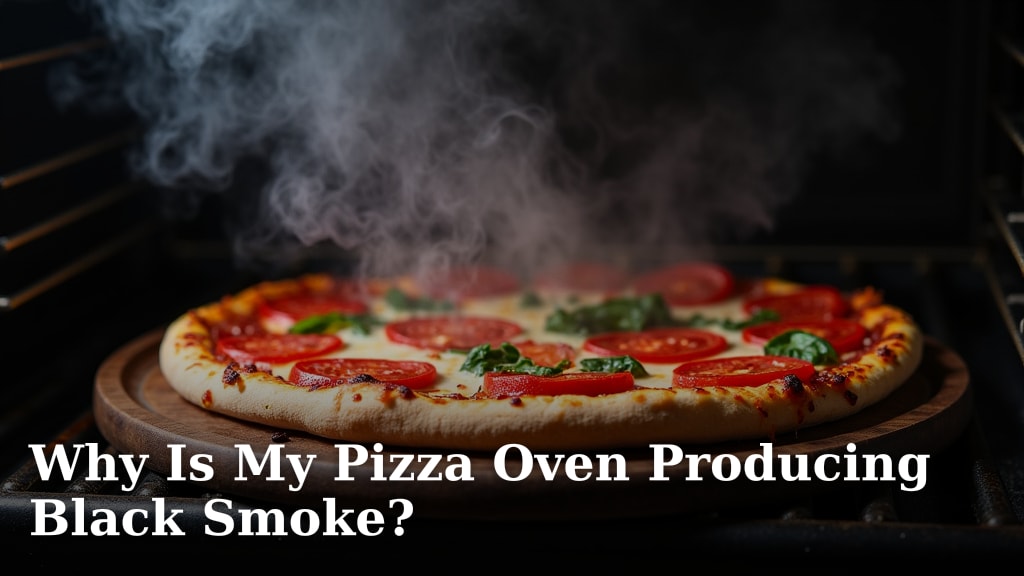
Your pizza oven is producing black smoke primarily because of incomplete combustion of fuel, often due to a lack of proper airflow or using the wrong type of wood. This can create deposits of soot and creosote.
This smoky output isn’t ideal for your pizza or your oven’s health. We found that smoky flavors can overwhelm your culinary creations. It’s a sign that your oven isn’t working as efficiently as it should be, impacting both cooking performance and requiring more frequent oven cleaning.
- Incomplete fuel burning
- Lack of proper airflow
- Wrong type of wood or fuel
- Potential creosote buildup
- Affects pizza flavor and oven efficiency
You’re probably wondering what you can do about it, right? Let’s walk through the exact reasons why your pizza oven makes black smoke and how you can fix it for perfect pizzas every time.
Why Your Pizza Oven Emits Black Smoke
Your pizza oven emits black smoke primarily due to incomplete combustion of fuel. This means your wood isn’t burning as cleanly as it should. It’s often a sign that something is blocking the natural fire process, creating more smoke than heat.
Understanding Incomplete Combustion
Think of incomplete combustion like a campfire that’s struggling. Instead of bright, clear flames, you get a lot of smoky, smoldering wood. This happens when there isn’t enough oxygen to fully burn the fuel. The result is unburnt carbon particles, which appear as black smoke. These particles can eventually coat the inside of your oven.
The Role of Oxygen in Combustion
Oxygen is vital for a clean, hot burn. Your pizza oven needs a steady supply of air to keep the fire roaring efficiently. When oxygen is restricted, your wood can’t reach its ideal burning temperature. This leads to inefficient burning and, you guessed it, black smoke (EPA).
The Wrong Wood: A Major Culprit
Using the wrong type of wood is one of the most common reasons for black smoke. Not all wood is created equal when it comes to pizza ovens. We found that dense, seasoned hardwood burns best. So, what should you avoid?
Unseasoned or Wet Wood
Wet wood, or “unseasoned” wood, has a high moisture content. When you burn it, a lot of energy goes into boiling off this water. This process lowers the fire’s temperature. A cooler fire means less efficient burning and more smoke. You’ll notice a lot of sizzling and hissing from wet logs. We found this is a sure sign of trouble.
Softwoods vs. Hardwoods
Softwoods, like pine or fir, often produce more sap and resin. These substances can also contribute to black smoke and leave more residue in your oven. Hardwoods, such as oak, maple, or apple, are denser and burn hotter and cleaner. Many experts agree that hardwoods are ideal for pizza ovens.
Airflow Obstructions: Choking the Fire
Even with the right wood, poor airflow can still cause black smoke. Your pizza oven needs a clear path for air to enter, circulate, and exit. Blockages can disrupt this delicate balance.
Clogged Chimney or Flue
If your chimney or flue is full of soot or creosote, it can prevent smoke from escaping properly. This creates a choke point, pushing smoke back into the oven chamber or causing the fire to burn poorly. Regularly checking and cleaning your chimney is essential. It’s similar to how a car engine gets clogged; it just can’t breathe right (National Fire Protection Association).
Improper Loading of Fuel
Overfilling your oven with wood can also restrict airflow around the logs. You need space for air to move freely around the burning material. Piling wood too high or too tightly can smother the flames. Try to arrange your wood to allow for good air circulation. Imagine building a small tent with your logs, creating an air pocket for combustion.
Creosote Buildup: A Vicious Cycle
Black smoke isn’t just a symptom; it’s also a cause of further problems. Incomplete combustion often leads to the formation of creosote. Creosote is a tar-like substance that can cling to the inside of your oven and chimney. And it’s not your friend.
What is Creosote?
Creosote is a byproduct of burning wood when the combustion is inefficient. It’s essentially unburnt particles of wood combined with moisture. It can range from a flaky, powdery substance to a hard, glossy deposit. This substance is highly flammable. The more black smoke your oven produces, the quicker creosote can build up.
Hazards of Creosote
Aside from contributing to more black smoke, creosote poses a significant fire risk (Chimney Safety Institute of America). A heavy buildup can ignite, leading to a dangerous chimney fire. It also reduces your oven’s efficiency, acting as an insulating layer that prevents heat from transferring effectively. You want the heat on your pizza, not stuck in the chimney!
Checking Your Oven’s Health: A Checklist
Here’s a quick checklist to help you troubleshoot your black smoke issue. Go through these points to identify and fix the problem.
- Is your wood seasoned and dry? (Ideally, under 20% moisture content).
- Are you using dense hardwoods? (Oak, maple, apple are good choices).
- Is your chimney/flue clear of obstructions? (Perform a visual check).
- Do you have enough air intake? (Avoid blocking the oven opening).
- Are you overpacking the oven with wood? (Give logs space to breathe).
- Is the fire properly established before cooking? (Let it get very hot and clean-burning).
Comparing Wood Types for Optimal Burning
Choosing the right wood makes a huge difference. Let’s compare some common options to help you make an informed decision.
| Wood Type | Burn Characteristics | Smoke Production | Ideal Use |
|---|---|---|---|
| Oak | High heat, long burn time | Low when seasoned | Excellent for pizza ovens |
| Maple | Good heat, consistent burn | Low when seasoned | Very good for pizza ovens |
| Apple | Moderate heat, pleasant aroma | Low when seasoned | Good for flavor and heat |
| Pine | Fast burn, lower heat | High (more resin/sap) | Not recommended (can taint flavor) |
| Wet/Unseasoned | Low heat, struggle to burn | Very High (steam and unburnt particles) | Avoid at all costs |
As you can see, seasoned hardwoods are your go-to. They produce the least smoke and the most consistent heat, which is exactly what a pizza oven needs for that perfect crispy crust.
Conclusion
Dealing with black smoke from your pizza oven doesn’t have to be a mystery. By understanding the core issues like incomplete combustion, using dry hardwoods, and ensuring good airflow, you can banish the smoke for good. We found that a well-maintained oven not only performs better but also lasts longer. You want delicious pizza, not a smoky mess!
So, take action. Check your wood, inspect your oven’s airflow, and keep it clean. Your next homemade pizza will thank you with a perfect, smoky-free crust. Enjoy mastering your pizza oven for consistently amazing results!
Frequently Asked Questions
Is it normal for a new pizza oven to smoke a lot on the first use?
A new pizza oven might produce some smoke during its first few uses as manufacturing oils burn off. However, excessive black smoke still suggests an issue with fuel or airflow. Always ensure you are using properly seasoned wood from the start.
Can high humidity cause my pizza oven to produce more black smoke?
Yes, high ambient humidity can contribute to more smoke. The moisture in the air makes it harder for wood to burn cleanly, even if the wood itself is seasoned. This adds to the overall moisture content the fire must overcome.
How often should I clean my pizza oven to prevent black smoke?
You should clean your pizza oven regularly, especially checking the flue and chimney after every few uses or if you notice a drop in performance. A visual check for creosote buildup is a good habit. Frequency depends on how often you use it and the wood you burn.
Does adding too much kindling at once cause black smoke?
Definitely. Overloading your oven with kindling or too many logs at once can smother the fire and restrict airflow. This leads to incomplete combustion and excessive black smoke. Start with a smaller, well-spaced fire and add fuel gradually.
Can a dirty oven interior itself lead to black smoke?
While not the primary cause, accumulated soot and creosote on the oven walls can exacerbate smoke issues. These residues indicate past incomplete combustion and can sometimes re-burn smokily. A clean oven environment helps maintain efficient burning.
