What Causes Pizza Toppings Burning Before Crust?
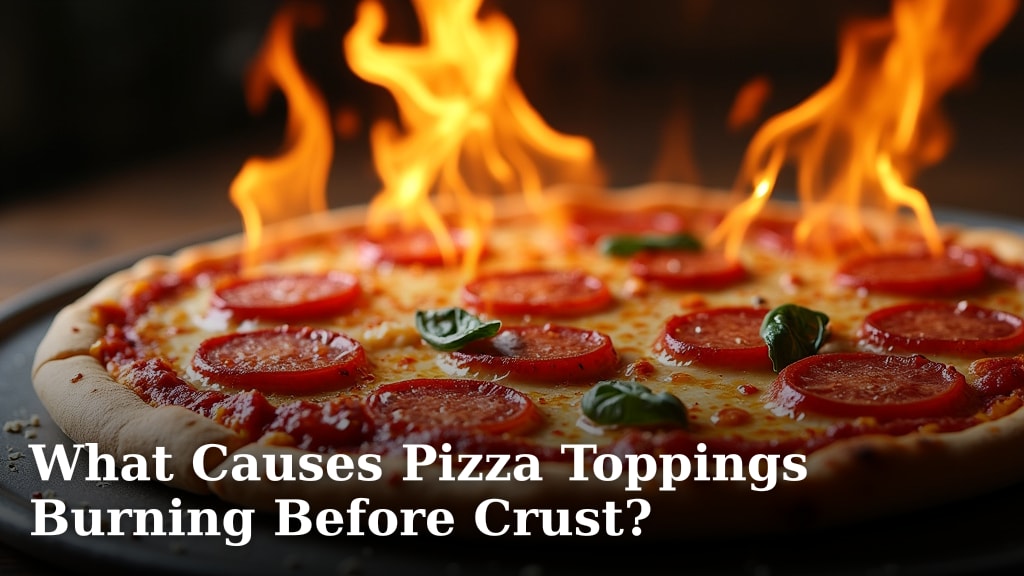
Pizza toppings can burn before the crust is done because of a few key reasons. Often, it’s about the heat distribution in your oven and the specific types of toppings you’re using. Some ingredients, like those with high sugar content or low moisture, will caramelize and burn much faster than your dough can bake. This is why you might end up with a blackened pepperoni on a pale crust.
We’ve all been there, right? You’re so excited for that perfect slice, only to find the edges of your cheese are like charcoal. This common pizza problem happens when the temperature is too high or when certain toppings cook unevenly. Understanding the science behind it can save your pizza from an early, fiery demise.
- Toppings burn because of oven temperature.
- High-sugar or low-moisture toppings scorch easily.
- Uneven cooking is a major culprit.
- Oven rack placement matters a lot.
Let’s dive into why this happens and how you can achieve that perfect golden crust with perfectly cooked toppings every single time.
Why Your Pizza Toppings Burn Before the Crust Is Ready
It’s a culinary conundrum many of us have faced. You pull your pizza out of the oven, anticipating cheesy goodness, only to find your pepperoni is crispy-to-a-fault and your peppers look like they’ve been through a fire. The crust, however, is still pale and doughy. So, what gives? Several factors contribute to this common pizza problem. It often boils down to how heat travels in your oven and the specific ingredients you’ve chosen to adorn your pie.
Understanding these elements can transform your pizza-making experience. You want that perfect bake – a golden crust with evenly cooked toppings. We’ll break down the science behind why your toppings might be scorching before your dough is cooked through. It’s all about mastering heat and ingredient behavior.
The Role of Oven Temperature and Heat Distribution
Your oven is a powerful tool, but it’s not always a perfectly even one. The temperature setting is crucial, but so is how that heat circulates and reaches your pizza. Many home ovens have hot spots.
Understanding Oven Hot Spots
Think of your oven like a cozy room. Some spots are naturally warmer than others. Your oven’s heating elements, typically at the top and bottom, create this uneven heating. The element at the top is often closer to your toppings, especially if you’re baking on a higher rack. This can lead to intense heat directly hitting your cheese and toppings.
The bottom element heats the oven floor. This is great for developing a crisp crust, but if it’s too intense, it can burn the bottom before the top is done. Your pizza is essentially caught between two heat sources, and sometimes, the top one wins the race to char.
Convection vs. Conventional Ovens
If you have a convection oven, you have a fan circulating hot air. This is generally good for even cooking. However, that same fan can sometimes push hot air directly onto your toppings, potentially speeding up their cooking and burning them faster than a conventional oven would.
A conventional oven relies on radiant heat from the elements. This can be less intense but also less even. Many pizza enthusiasts prefer a conventional oven for its gentler, more indirect heat, especially when dealing with delicate toppings (Food Network).
Ingredient Properties: The Culprits You Add
Beyond the oven’s behavior, the ingredients you select play a massive role. Some toppings are just built to burn faster than others.
Sugar Content is a Major Factor
This is a big one. Ingredients with higher sugar content will caramelize and brown much more quickly. Think about things like certain processed meats or even some vegetables when they start to lose moisture. That natural sugar content acts like a fast-track to burning under high heat.
Pepperoni, for example, often contains sugars and fats. As it heats up, the fat renders, and the sugars begin to scorch. This is why the edges of your pepperoni can go from slightly crispy to completely black in a flash.
Moisture Content Matters
Low-moisture ingredients are also prone to burning. When something lacks water, it has less capacity to cool itself down through evaporation. This means it heats up faster and reaches its burning point more quickly. Think of dried herbs or finely diced vegetables that have lost a lot of their water content.
Conversely, toppings with higher moisture content, like fresh vegetables such as bell peppers or onions, will steam more. This steaming effect can help keep them from burning too quickly, but it might also prevent them from getting that nice roasted char you might want.
Specific Topping Examples
Let’s look at a few common offenders. Your pepperoni is a classic example of a high-fat, potentially high-sugar topping that cooks fast. Olives, especially those packed in brine, can also cook down quickly. If you use a lot of cheese, especially finely shredded varieties, the edges can brown and burn before the center is melty.
On the flip side, fresh tomatoes or chunks of bell pepper will release moisture, slowing down their browning process. This is why you might see perfectly cooked pepper slices sitting next to charred bits of cured meat.
Baking Surface and Rack Placement
Where you place your pizza in the oven and what you bake it on can significantly impact heat transfer. This is often overlooked but is a game-changer.
The Importance of Oven Rack Position
As mentioned, your oven’s heat is not uniform. Placing your pizza on the middle rack is generally recommended for balanced cooking. If you place it too high, the top heating element will bombard your toppings. Too low, and the bottom element might overcook the crust.
Experimentation is key here. Some ovens perform better with pizzas on the bottom third of the oven, while others need the middle. If your toppings are burning, try moving the pizza rack down a level or two to give the crust more time to bake before the top gets too hot.
Baking Surfaces: Stone, Steel, or Sheet Pan?
Your baking surface absorbs and transfers heat to the pizza crust. A pizza stone or steel is designed to get very hot and transfer that heat quickly to the dough, creating a crispy bottom. This is fantastic for crust development.
However, if your stone or steel is extremely hot, it can also contribute to uneven cooking. The intense heat radiating upwards can affect the toppings. A regular baking sheet might offer a more moderate heat transfer, potentially giving your toppings a gentler introduction to the heat. Our guide explains the difference between pizza stone or steel for your baking needs.
| Topping Type | Sugar/Fat Content | Moisture Content | Burn Risk | Why |
|---|---|---|---|---|
| Pepperoni | Medium/High | Low | High | Renders fat, sugars caramelize quickly. |
| Fresh Vegetables (Peppers, Onions) | Low | High | Low | Release moisture, steam-cooks initially. |
| Processed Meats (Sausage, Bacon) | Medium/High | Medium | Medium/High | Fat content and added sugars contribute. |
| Cheeses (Mozzarella, Parmesan) | Low/Medium | Medium | Medium | Edges can brown and burn faster than the melt. |
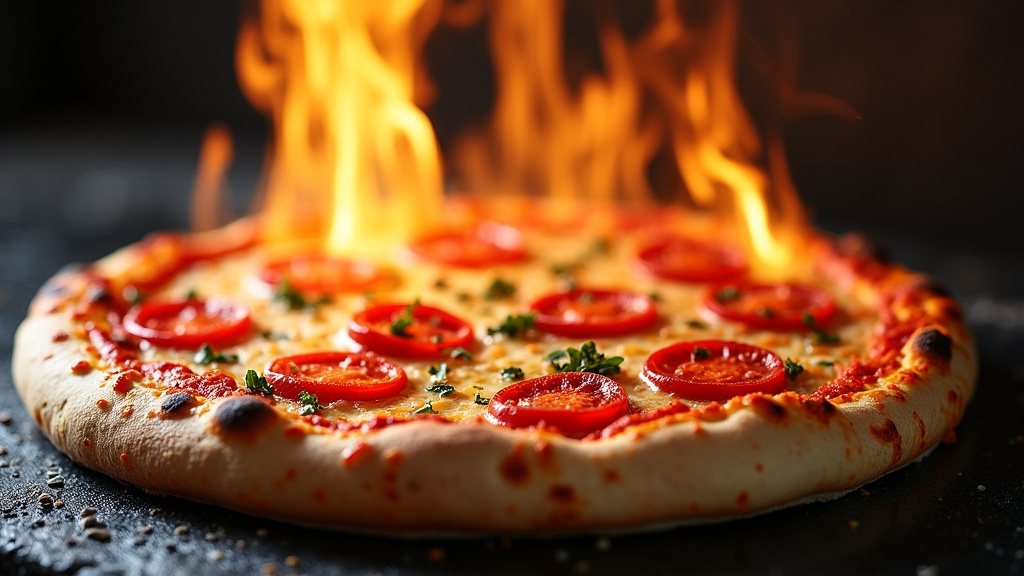
Cooking Time and Temperature Strategy
The final piece of the puzzle is the actual baking process. How long are you cooking, and at what temperature? These are interconnected.
Finding the Right Temperature Sweet Spot
Many home pizza recipes call for high temperatures, often 450°F to 550°F (230°C to 290°C). This is great for getting a crispy crust quickly. However, at these temperatures, toppings with lower smoke points or high sugar will burn much faster.
If your toppings are consistently burning, you might need to slightly lower the oven temperature. You’ll have to bake it a bit longer, but this can allow the crust to cook through without incinerating your toppings. Many experts recommend finding a balance that works for your specific oven and pizza style (King Arthur Baking).
Pre-Baking the Crust
A smart technique is to pre-bake your crust for a few minutes before adding toppings. This helps set the dough and gives it a head start. Then, you add your toppings and finish baking. This can prevent the crust from being undercooked when the toppings are perfectly done, or vice versa.
You can also try par-baking the crust with just sauce. This allows the dough to firm up. Then, add your cheese and toppings and continue baking. This method provides more control over the cooking of each component.
Tips to Prevent Topping Burnout
Don’t despair! You can avoid the dreaded burnt-topping-pale-crust scenario with a few adjustments. Here’s a quick checklist to keep your pizza perfection on track:
- Adjust Oven Rack: Try the middle or lower-middle rack.
- Monitor Toppings: Place faster-burning items (like pepperoni) on top of cheese.
- Manage Heat: If your oven runs very hot, slightly reduce the temperature.
- Pre-Bake Crust: Give your dough a head start before adding toppings.
- Ingredient Prep: Slice vegetables thinly or pre-cook some meats.
- Watch Closely: Keep an eye on your pizza during the last few minutes of baking.
Conclusion
You’ve learned that burnt pizza toppings are usually a sign of uneven heat or ingredient properties working against you. Understanding your oven’s hot spots, the sugar and moisture content of your toppings, and where you place your pizza matters. By making small adjustments to rack position, oven temperature, or even your topping choices, you can achieve that perfect balance. So, next time you bake, keep these tips in mind, and you’ll be on your way to pizza perfection with every slice.
Frequently Asked Questions
Can I put toppings on my pizza *after* it bakes?
Yes, you can! For toppings that burn very easily, like fresh basil or delicate greens, consider adding them right after the pizza comes out of the oven. The residual heat will warm them slightly without causing them to scorch.
How does using a pizza steel vs. a pizza stone affect topping burning?
A pizza steel heats up faster and retains more heat than a stone. This intense, direct heat can sometimes cause toppings to cook more rapidly, increasing the risk of burning if your oven is already very hot. A stone offers a slightly more forgiving heat transfer.
Should I chop my vegetables smaller or larger to prevent burning?
It’s best to slice vegetables thinly rather than chopping them small. Thin slices will cook more evenly and release their moisture gradually, steaming rather than burning quickly. Very small pieces can dry out and scorch before the rest of the pizza is ready.
Is it better to use low-moisture mozzarella or regular shredded mozzarella?
Low-moisture mozzarella is generally preferred for home pizza making as it melts evenly without releasing too much liquid, which can make your pizza soggy. While regular mozzarella can burn faster on the edges, low-moisture varieties offer more consistent results and a better melt.
What’s the best way to know when my pizza is *really* done if toppings are burning?
Use your crust as the primary indicator. Check the bottom of your crust – it should be golden brown and firm. If the crust is done but toppings are burning, your oven might be too hot, or you might need to try a lower rack position for the next bake.
