
Why Is My Pizza Top Not Browning?

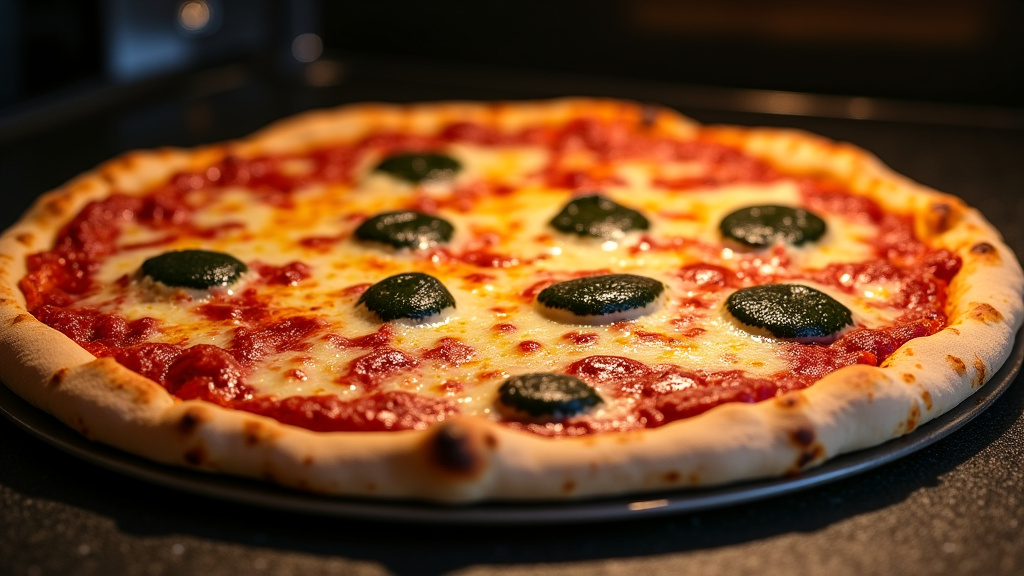
Your pizza top isn’t browning because the heat in your oven isn’t high enough, or it’s not directly reaching the top of your pizza. Many home ovens struggle to create the intense, even heat needed for that perfect, golden-brown crust and beautifully melted, slightly charred cheese. It’s a common baking challenge.
You’re not alone if you’ve pulled a pizza from the oven only to find a pale, undercooked-looking top despite a crispy bottom. This often happens because your oven’s broiler isn’t used effectively, or your pizza stone/steel isn’t placed correctly. We found that oven temperature distribution is key to excellent pizza.
- Oven temperature is too low.
- Pizza placed too far from heat source.
- Not using the broiler at the right time.
- Too much moisture in toppings.
- Using the wrong type of baking surface.
Let’s walk through why your pizza top isn’t browning and what you can do to fix it, so your next homemade pizza is a crispy, cheesy masterpiece.
Why Your Pizza Top Stays Pale: Common Oven Challenges
You’re dreaming of that perfectly golden, bubbly top on your homemade pizza. So why does it come out looking pale and unappetizing? The biggest culprit is often your oven’s heat distribution and how you’re using it. Home ovens, unlike commercial pizza ovens, struggle to deliver intense, direct heat from above, which is crucial for browning.
We found that many home bakers face this problem because their oven simply isn’t hot enough, or the heat isn’t hitting the pizza top directly. It’s like trying to get a tan indoors with a weak light bulb. You need more intensity and closer exposure.
The Science of Surface Browning
Why do things brown in the first place? It’s all about complex chemical reactions called Maillard reactions and caramelization. These need high heat to happen quickly and effectively. Without enough heat, these delicious reactions can’t occur on your pizza’s surface.
The Maillard reaction is what gives cooked meat and bread their savory flavors and brown color. Caramelization mostly involves sugars browning, creating sweet, nutty notes. Both are vital for that amazing pizza aroma and taste. Your oven needs to reach at least 450°F (232°C) for these reactions to really kick off, and often, even higher is better for pizza.
Oven Temperature: Is Yours Hot Enough?
Many home ovens are set to 400-450°F (200-230°C) for pizza. While this is good for cooking the dough, it might not be enough to brown the top quickly. We found that the ideal temperature for the fastest browning is often 500-550°F (260-290°C). You want to cook your pizza quickly, usually within 5-10 minutes, to prevent a dry crust.
Don’t just trust your oven dial. Many home ovens run cooler than they say (U.S. Department of Energy). An inexpensive oven thermometer is your best friend here. Place it inside and monitor the actual temperature. You might be surprised.
Preheating is also super important. You need to preheat your oven for at least 45-60 minutes, not just until it beeps. This allows not only the air but also your pizza stone or steel to soak up enough heat to cook efficiently.
Optimizing Your Oven Setup for a Golden Top
Getting your oven right is like setting the stage for a great performance. A few simple adjustments can make a huge difference in how your pizza top browns. It’s about leveraging your existing equipment to its full potential.
Rack Placement: The Closer, The Better
Where you place your pizza in the oven makes a huge difference. For a well-browned top, you need to get your pizza as close to the top heating element as possible without touching it. This is often the upper third of your oven.
If your pizza stone or steel is typically on the very bottom rack, move it up. Try the second-to-top rack. This brings the top of your pizza closer to the direct heat source. We found this simple change can dramatically improve browning.
Using Your Broiler Effectively
Your broiler is a powerful, often underutilized tool. It provides intense, direct heat from above, exactly what you need for a quick top brown. Think of it as a super-powered tanning lamp for your pizza.
Broiler Timing Strategies
There are a few ways to use the broiler. You can turn it on for the last 1-3 minutes of baking. Keep a very close eye on it, as things can burn quickly. Another method is to preheat your oven and broiler simultaneously, then place the pizza under the broiler for a short burst before moving it to the main heat for the rest of the cooking.
Some pizza enthusiasts recommend cooking the pizza mostly through, then sliding it under the preheated broiler for just a minute or two to finish the top. This gives you maximum control over the browning without overcooking the crust.
Pizza Stone vs. Pizza Steel
Both stones and steels absorb and radiate heat, but they do it differently. A pizza steel typically conducts heat much more efficiently than a stone (Cook’s Illustrated). This means it gets hotter, faster, and stays hotter.
For a crispy bottom and a better chance at a browned top, a pizza steel often outperforms a stone at home oven temperatures. If you’re struggling with browning, upgrading to a steel might be a worthwhile investment. Always place your stone or steel on the upper-middle or second-to-top rack.
| Feature | Pizza Stone | Pizza Steel |
|---|---|---|
| Heat Conduction | Good, slower | Excellent, faster |
| Heat Retention | Good | Excellent |
| Crispiness | Good crust | Superior crust |
| Top Browning | Fair to good | Good to excellent |
| Durability | Can crack | Nearly indestructible |
Ingredients and Toppings: What’s Affecting Your Brown?
It’s not just your oven. What you put on your pizza can also play a role in how well the top browns. Sometimes, even seemingly small choices can have a big impact.
Moisture Content of Toppings
Think about water. It takes a huge amount of energy to evaporate water. If your toppings are too wet, that energy goes into steaming them rather than browning them. This can create a humid environment inside your oven, slowing down the Maillard reactions on your cheese and crust.
Drain watery ingredients like fresh mozzarella (pat it dry!), mushrooms, or spinach. Pre-cook vegetables like onions or peppers to remove excess moisture. Use a drier tomato sauce, or apply it sparingly. We found that reducing moisture is a quick win for better browning.
Cheese Choice and Quantity
The type of cheese you use matters a lot. Low-moisture mozzarella is the standard for pizza because it melts well, browns nicely, and resists scorching. High-moisture fresh mozzarella tastes great but can release a lot of water.
Too much cheese creates a thick, soupy layer that insulates the heat from the top. It takes longer to brown through that much cheese. Use a moderate amount. Consider shredding your own cheese, as pre-shredded varieties sometimes contain anti-caking agents that can hinder browning and melt quality.
Adding a little bit of a harder, aged cheese like Parmesan or Pecorino Romano can also help with browning and depth of flavor, as these cheeses brown more readily than mozzarella.
Troubleshooting Checklist for a Better Pizza Top
Let’s make sure you hit all the marks for that perfect pizza. Go through this checklist next time you make a pizza. You’ll likely see a big improvement.
- Verify oven temperature: Use an oven thermometer to confirm your oven reaches 500-550°F (260-290°C).
- Preheat longer: Allow at least 45-60 minutes for your oven and pizza stone/steel to fully heat.
- Adjust rack position: Move your pizza stone/steel to the upper third of your oven.
- Engage the broiler: Turn on your broiler for the last 1-3 minutes of baking. Watch it closely!
- Reduce topping moisture: Pat dry watery ingredients and consider pre-cooking some vegetables.
- Monitor cheese quantity: Use a moderate amount of low-moisture mozzarella for best results.
By making these adjustments, you’re building a better home pizza environment. No more pale, sad-looking pizza tops for you!
Conclusion
Achieving a perfectly browned pizza top at home is totally within your reach. It often comes down to understanding your oven’s unique quirks and making a few strategic adjustments. By combining intense heat, smart rack placement, and careful topping selection, you can transform your homemade pizzas.
We found that small changes like using an oven thermometer or engaging your broiler effectively make a huge difference. Don’t settle for pale pizza tops anymore! Put these tips into practice, and get ready to enjoy truly golden, delicious results every time you bake.
Frequently Asked Questions
Can using parchment paper affect my pizza’s browning?
Yes, parchment paper can create a barrier between your pizza crust and the direct heat of your pizza stone or steel. This might prevent your crust from getting as crisp and could indirectly affect top browning by reducing overall oven efficiency for the pizza.
Should I open the oven door to check on my pizza?
Try to avoid opening the oven door too often. Each time you open it, significant heat escapes, dropping the internal oven temperature. This can slow down cooking and browning, leading to a less satisfying pizza.
Does the type of flour in my dough impact top browning?
Yes, different flours have varying sugar content, which affects how well your crust caramelizes and browns. Flours with a bit more sugar, or those that have been cold-fermented longer (allowing enzymes to break starches into simpler sugars), tend to brown more readily.
My pizza top browns, but my bottom crust is still soft. What’s wrong?
This usually means your cooking surface (stone or steel) isn’t hot enough, or your oven isn’t retaining heat effectively at the bottom. Make sure you preheat your oven and stone/steel for at least 45-60 minutes, and consider moving your stone to a lower rack to optimize bottom heat.
Is it better to use convection bake for pizza browning?
Convection bake can help circulate heat more evenly, which might lead to better overall browning and a crisper crust. However, it can also dry out toppings faster, so monitor your pizza closely and perhaps reduce the cooking time or temperature slightly if using convection.
