
Why Is My Pizza Crust Staying Pale?
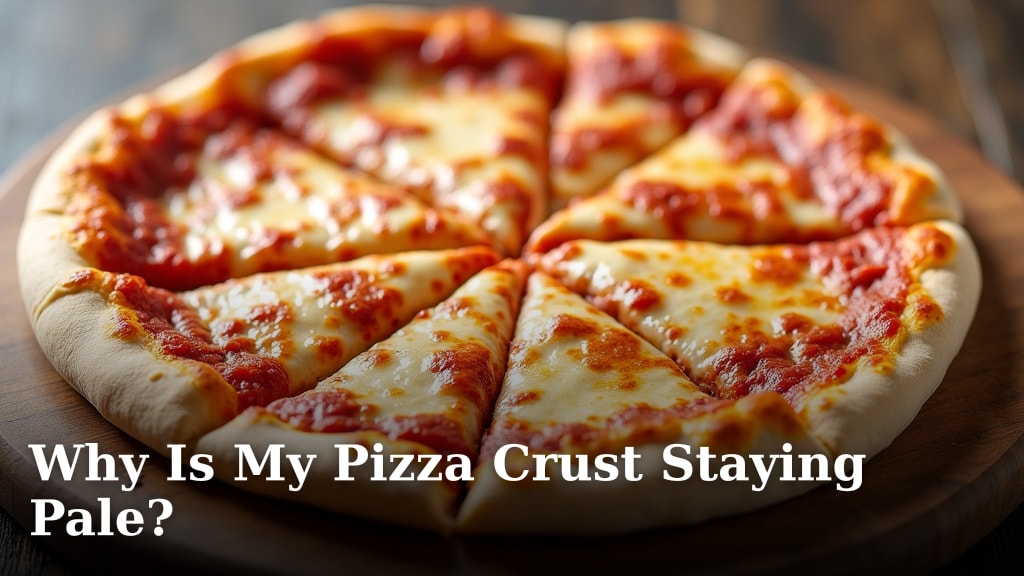
Your pizza crust is staying pale because of low oven temperature, insufficient proofing time, or lack of sugar in your dough. Many home ovens don’t reach the high heat pizza needs. This prevents the crust from developing that perfect golden-brown color and crispy texture you’re hoping for. Getting the oven hot enough is the number one factor.
A pale crust can also result from using the wrong type of flour or an unbalanced recipe. Not enough steam in the oven can also be a culprit. We’ve found that understanding these common issues helps you troubleshoot effectively. Your delicious homemade pizza shouldn’t look like it just survived a ghost convention.
- Oven not hot enough is a major reason.
- Dough needs enough time to rise.
- Sugar helps the crust brown.
- Flour type and oven steam matter too.
Let’s get your pizza crust looking as good as it tastes. We’ll walk through the common reasons and how to fix them so you can enjoy that perfect pie.
Troubleshooting Your Pale Pizza Crust Problem
A pale pizza crust is a common disappointment for home bakers. You’ve put in the effort, but the final result is lackluster in color and crispness. Don’t worry, you’re not alone! We’ve looked into the most frequent culprits behind a doughy, anemic crust. Thankfully, most of these issues have straightforward fixes.
The Heat Is On: Oven Temperature and Pizza Crust Browning
The single biggest reason your pizza crust stays pale is an oven that isn’t hot enough. Pizza loves high heat. Think fiery brick ovens that can reach 700°F (370°C) or more. Most home ovens struggle to get much past 500-550°F (260-290°C). This lower temperature just doesn’t provide enough heat energy to properly brown and crisp the crust. For Neapolitan-style pizza, “00” flour is often used. Our guide to the best indoor pizza ovens for Neapolitan pizza can help.
Why High Heat Matters for Crust Color
When your dough hits a hot surface, a few things happen quickly. The Maillard reaction and caramelization are chemical processes that create those delicious brown colors and toasted flavors. These reactions require significant heat. Without enough heat, these processes are slow or don’t happen at all, leaving your crust pale and soft. Research shows that oven temperatures above 450°F (230°C) are generally recommended for baking pizza (The Culinary Institute of America).
What You Can Do About Oven Temperature
First, preheat your oven for a full 30-60 minutes. Many people don’t preheat long enough. The oven needs time for its internal components and racks to reach the set temperature. Use an oven thermometer to check your oven’s actual temperature. You might be surprised to find it’s not as hot as you think. If your oven has a “pizza” or “convection” setting, use it. These modes often circulate heat more efficiently.
Boosting Your Oven’s Baking Power
Consider investing in a pizza stone or steel. These surfaces absorb and retain a lot of heat. When you slide your pizza onto a preheated stone or steel, it gets a powerful blast of heat from below. This is crucial for developing a crispy, well-browned bottom crust. Preheat your stone or steel along with your oven for at least 45 minutes. Place it on the middle or lower rack for optimal heat transfer. These surfaces absorb and retain a lot of heat. Learn the difference between a pizza stone or steel to improve your crust.
The Rise and Fall: Proofing and Its Impact on Crust
Another common reason for a pale pizza crust is how you handle the dough’s rise, or proofing. Dough needs time and the right conditions to develop flavor and texture. If it doesn’t rise enough, it won’t have the structure or the components needed for good browning.
What is Proofing?
Proofing is the process where yeast in your dough eats sugars and produces carbon dioxide gas. This gas makes the dough expand, creating those airy pockets we love. Proper proofing develops flavor and creates a lighter crust. Insufficient proofing means less gas production and a denser dough. This denser dough browns less effectively.
Signs of Under-Proofed Dough
Your dough might be under-proofed if it looks dense, feels heavy, and doesn’t double in size. When you stretch it, it might resist and snap back. It might also have a very tight, uniform crumb structure when you cut into it after baking.
The Fix: Patience and Temperature
Ensure your dough has enough time to rise. This can take anywhere from 1 to 3 hours at room temperature, depending on the yeast amount and the ambient temperature. Many experts recommend a “cold ferment” in the refrigerator for 24-72 hours. This slow fermentation develops fantastic flavor and can improve crust texture and browning.
Check for readiness by gently poking the dough. If the indentation springs back slowly, it’s likely ready. If it springs back immediately, it needs more time. If it collapses, it might be over-proofed, but that’s a different crust issue!
Sweetening the Deal: The Role of Sugar in Crust Browning
You might be surprised to learn that sugar plays a vital role in achieving that beautiful golden-brown pizza crust. Sugar isn’t just for sweetness; it’s a key ingredient for browning.
How Sugar Helps Browning
Sugar contributes to browning through two main mechanisms: caramelization and the Maillard reaction. Caramelization occurs when sugars are heated and break down, forming hundreds of new flavor compounds and brown pigments. The Maillard reaction is a complex process between amino acids (from flour) and reducing sugars, which also creates browning and savory, toasty flavors. Baking science literature consistently highlights sugar’s role in this (McGee, On Food and Cooking).
Sugar in Your Dough Recipe
Many traditional pizza dough recipes include a small amount of sugar, honey, or even milk (which contains lactose, a sugar). This sugar acts as “food” for the yeast, but it also remains in the dough to help with browning during baking. If your recipe omits sugar entirely, or uses very little, your crust might be missing that browning boost.
Adjusting Your Recipe
If you’re consistently getting pale crusts, consider adding a teaspoon or two of sugar or honey to your dough recipe. Start small, perhaps 1 teaspoon per cup of flour, and see if it makes a difference. Too much sugar can make the crust burn quickly on the outside before the inside is cooked, so it’s about finding the right balance.
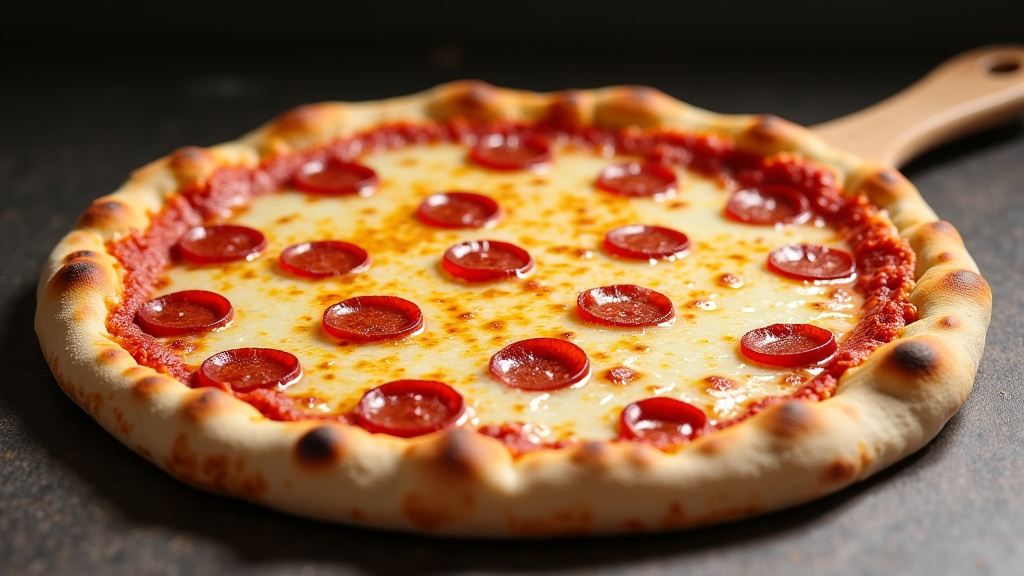
Flour Power: Which Flour for a Better Crust?
The type of flour you use can also influence your pizza crust’s color and texture. Different flours have varying protein and mineral content, which affect how they behave when baked.
Understanding Flour Types
All-purpose flour is common, but it’s a middle-ground flour. Bread flour has a higher protein content, which can lead to a chewier crust but sometimes a slightly darker one due to more gluten development. “00” flour, often used for Neapolitan-style pizza, is finely milled and can produce a tender crust, but it might not brown as deeply as other flours without very high heat.
Minerals and Browning
Whole wheat flour or flours with bran and germ (like some artisanal flours) contain more minerals. These minerals can actually catalyze browning, making the crust darker. If you’re using a very refined white flour without many of these components, you might get a paler crust.
What to Try
If you’re using standard all-purpose flour and want more color, try a bread flour. If you’re looking for a specific flavor and color, consider incorporating a small percentage of whole wheat flour into your dough mix. For instance, replacing 10-20% of your white flour with whole wheat can add depth and color without drastically changing the texture.
The Steam Room: Moisture and Crust Development
Moisture management in your oven is another factor that influences crust browning. Steam plays a dual role in baking.
Steam’s Initial Role
In the first few minutes of baking, steam helps keep the surface of the dough moist and extensible. This allows the crust to expand fully without setting too quickly. This expansion is key for a light, airy crust structure.
How Too Much Steam Can Hinder Browning
However, if too much steam lingers in the oven for too long, it can actually slow down browning. Steam cools surfaces, and a cooler surface needs more time to reach the temperatures required for caramelization and the Maillard reaction. Home ovens are often not very good at venting steam effectively.
Achieving the Right Moisture Balance
For most home pizza baking, you want enough initial steam for expansion, but then you want that steam to dissipate quickly so the crust can crisp and brown. If your oven feels very steamy or you’re using a Dutch oven for bread (which traps steam), this might be a factor. For pizza, simply ensuring good air circulation and not overcrowding the oven will help manage steam. If you’re using a pizza stone or steel, it absorbs moisture, which helps the crust crisp faster.
Quick Fixes Checklist for a Perfectly Browned Crust
Let’s quickly recap the steps you can take to get that beautiful golden-brown crust:
- Preheat your oven thoroughly (at least 30 minutes, ideally 45-60).
- Use an oven thermometer to confirm you’re reaching your target temperature.
- Invest in and preheat a pizza stone or steel for excellent heat transfer.
- Ensure your dough has sufficient proofing time – let it rise!
- Consider adding 1-2 teaspoons of sugar to your dough recipe.
- Experiment with different flours like bread flour for potential color improvement.
Conclusion
You’ve got this! Achieving that perfect, golden-brown pizza crust is totally within your reach. Remember, it often comes down to a few key factors: giving your oven ample time to heat up, ensuring your dough has had sufficient time to proof, and a little help from sugar and the right flour. Don’t be afraid to experiment with these adjustments. Try using an oven thermometer and preheating a pizza stone or steel for that initial blast of heat. With these tips, you’ll be enjoying delicious, beautifully browned homemade pizzas in no time. Your next pie is going to be a stunner!
Frequently Asked Questions
Why is my pizza crust golden brown on the edges but pale in the middle?
This often happens when the oven temperature is too high for too long, causing the edges to cook and brown quickly while the middle takes longer. Ensure your oven rack is in the correct position and try reducing the oven temperature slightly after the initial high-heat blast. Preheating your pizza stone or steel thoroughly can also help cook the bottom evenly.
Can I use bread flour instead of all-purpose for a darker crust?
Yes, bread flour often results in a darker crust. It has a higher protein content, which can lead to more gluten development. This can create a chewier texture and sometimes a deeper color when baked, especially when combined with adequate heat. Try replacing some of your all-purpose flour with bread flour in your next recipe.
How much sugar should I add to my pizza dough for better browning?
Start with about 1 to 2 teaspoons of sugar per cup of flour in your dough recipe. This small amount provides enough food for the yeast and helps with caramelization and the Maillard reaction during baking without making the crust too sweet or prone to burning. Adjust slightly based on your taste and results.
Is it normal for homemade pizza crust to be paler than store-bought?
It can be! Many commercial pizza operations use very high-temperature ovens, sometimes exceeding 700°F (370°C), which home ovens typically can’t reach. They also often use dough conditioners or specific flour blends that promote browning. Achieving a similar level of browning at home usually requires maximizing your oven’s heat and using techniques like pizza stones.
Will a longer proofing time make my pizza crust browner?
A longer, slow proof (like a cold ferment in the refrigerator) can improve flavor and texture, which indirectly helps with browning. It develops more sugars in the dough through yeast activity, which then caramelize and brown better during baking. However, the primary factors for browning remain high oven heat and ingredients like sugar.
