
What Causes Pizza Dough Sticking to the Stone?
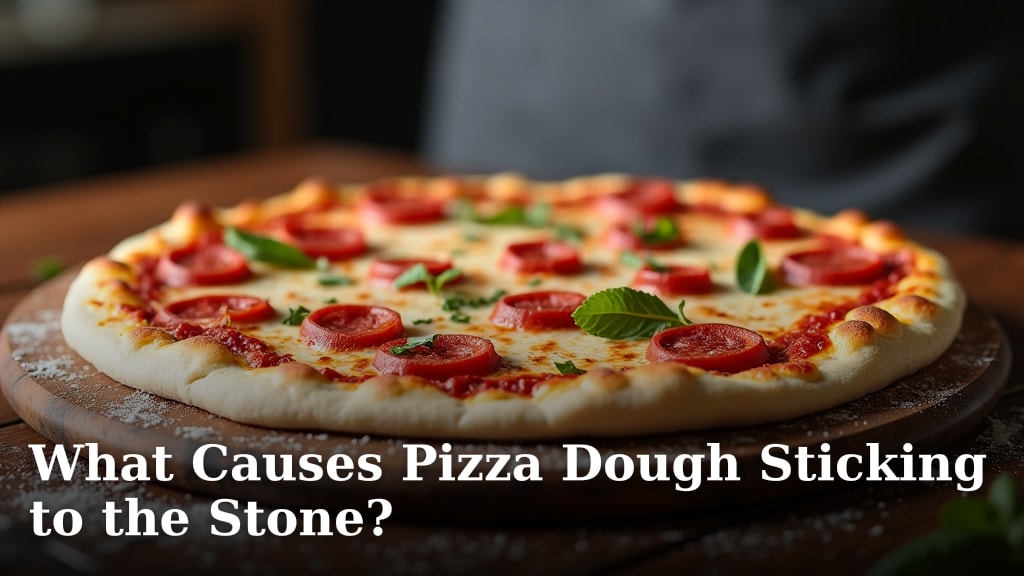
Pizza dough sticking to your stone is usually caused by moisture or lack of flour. When your dough hits the hot stone, any water turns to steam, creating a sticky barrier. Not enough flour on the bottom means the dough directly touches the stone, making it cling. Don’t worry, this is a common problem!
You might be wondering why this keeps happening, even when you think you’re doing it right. We found that a few key factors often play a role, from how you prepare your dough to the type of stone you use. Understanding these can help you achieve that perfect slide.
- Not enough flour or cornmeal.
- Too much moisture in the dough.
- Stone isn’t hot enough.
- Dough sat too long before baking.
Let’s break down exactly why your pizza dough might be sticking and how you can fix it for a perfect bake every time.
Troubleshooting Dough Sticking to Your Pizza Stone
It’s a kitchen nightmare. You’ve prepped your pizza perfectly, slid it onto that screaming-hot stone, and then… nothing. Your beautiful creation is welded to the stone, tearing as you try to salvage it. We’ve all been there, and it’s frustrating! But don’t throw in the towel (or the dough) just yet. We found that several common culprits can lead to this sticky situation, and thankfully, they’re usually quite fixable.
The good news is that sticky dough isn’t a sign of a bad chef. It’s often a matter of a few simple steps being missed or misunderstood. Let’s dive into what’s really going on and how you can achieve that coveted “pizza peel slide” every single time. You deserve a pizza that’s easy to launch, not one that fights back!
The Moisture Monster: Why Water is Your Dough’s Worst Enemy on a Hot Stone
Think about what happens when water hits something extremely hot. It turns into steam, right? This is precisely what happens between your pizza dough and a hot stone. If there’s too much moisture, that steam acts like a tiny, invisible glue. It creates a barrier that makes your dough stick fast.
Understanding Dough Hydration Levels
Pizza dough recipes vary in their hydration, which is the ratio of water to flour. A high-hydration dough is wetter and stickier by nature. While these can make for a wonderful, chewy crust, they require extra care when transferring to a hot surface.
We’ve found that dough with a hydration level above 70% can be particularly prone to sticking if not handled with extra precautions. It’s like trying to handle a wet bar of soap; it just wants to slip away… or in this case, stick!
Condensation is Key
Sometimes, even if your dough isn’t overly wet, condensation can form. This can happen if you’ve proofed your dough in a humid environment or if the dough is too cold when it hits the hot stone. The sudden temperature change can cause surface moisture to appear.
Research suggests that allowing your dough to come closer to room temperature before shaping can help reduce this surface condensation. A cold, damp surface is more likely to adhere to the stone.
Sauce and Topping Spillage
Another moisture-related issue can arise from your toppings. If your sauce is too thin or you’ve overloaded your pizza, extra liquid can escape during baking. This escaping liquid can then seep under the dough and create that unwelcome sticky layer.
We recommend keeping your sauces on the thicker side and not going overboard with wet toppings like fresh mozzarella or lots of chunky tomatoes. A little restraint here can go a long way in preventing a sticking disaster.
The Flour Barrier: Your First Line of Defense
Flour, or its close cousin cornmeal, acts as tiny ball bearings. When you dust your pizza peel (or the surface you’re working on) generously, these small particles create a buffer. They lift the dough slightly, allowing it to slide freely.
The “Not Enough” Problem
This is perhaps the most common reason for sticking. You might think you’ve used enough flour, but it turns out you needed more. A light dusting just won’t cut it, especially with wetter doughs.
Many home cooks found that a good, visible layer of flour or cornmeal on their peel is essential. You should see the flour on the bottom of your dough. If you can’t see it, chances are you need more. Think of it as creating a little mini-ski slope for your pizza.
Choosing the Right “Lubricant”
While flour works, cornmeal is often favored by pizza makers. Why? Its coarser texture can provide even better “rolling” action. Semolina flour is another excellent option, offering a similar gritty texture.
We’ve found that different flours and meals offer slightly different results. Some people prefer the taste of cornmeal, while others find semolina easier to work with. Experiment to see what you like best. Just ensure it’s a coarse grain.
Applying It Correctly
It’s not just about quantity; it’s about placement. Make sure the flour or cornmeal is distributed evenly across the entire surface where the dough will rest. This includes the edges!
Many experts suggest giving your peel a good shake after dusting. This helps to distribute the flour evenly and remove any excess that might burn too quickly. A little practice goes a long way here.
Stone Temperature: Is Your Surface Hot Enough?
A common mistake is not letting your pizza stone get hot enough. A stone needs time to absorb and radiate heat. If it’s not sufficiently hot, it won’t create the quick burst of steam needed to release the dough.
The “Quick Bake” Myth
The idea is that a super-hot stone cooks the bottom of the pizza rapidly. This quick cooking helps set the crust almost instantly, reducing the time it has to stick. If the stone is too cool, this rapid setting doesn’t happen.
We found that preheating your stone for at least 45 minutes to an hour at your oven’s highest temperature (often 500-550°F or higher) is generally recommended. This ensures the stone is thoroughly saturated with heat.
Understanding Heat Retention
Different stone materials retain heat differently. Ceramic stones heat up faster but might not hold temperature as well as thicker baking steels or cordierite stones. Thicker stones generally provide more consistent heat.
Research in cooking science shows that the thermal mass of the baking surface is key. A heavier, thicker stone or steel can store more heat. This stored heat is what gives your pizza that initial blast needed for a good launch and crust.
| Stone Material | Heat-Up Time | Heat Retention | Typical Use |
|---|---|---|---|
| Ceramic | Faster | Moderate | General baking, good for pizza |
| Cordierite | Moderate | Good | Excellent for pizza, durable |
| Baking Steel | Slower | Excellent | Best for pizza, creates crisp crust |
Is Your Oven Running Hot Enough?
Your oven’s temperature is linked to your stone’s temperature. If your oven isn’t reaching its set point, your stone won’t either. Using an oven thermometer can confirm if your oven is accurate.
Many home bakers discovered their oven runs cooler than indicated. A quick check with an oven thermometer (available at most kitchen stores) can be eye-opening. If your oven is off, you’ll need to adjust your settings or recalibrate it.
The Waiting Game: How Long is Too Long?
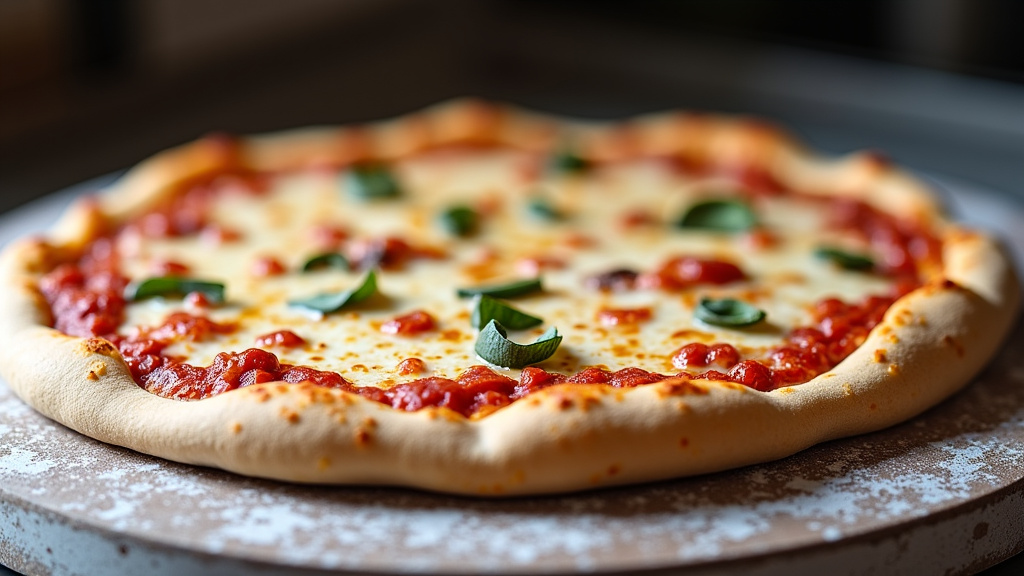
Once your dough is shaped and topped, the clock starts ticking. Leaving pizza on the peel for too long before sliding it onto the stone is another common cause of sticking.
Dough Starts to Bond
As the dough sits on the peel, especially if it’s a bit moist or the flour underneath has settled, it can start to adhere to the peel. The toppings add weight, pressing the dough down further.
We found that the ideal window is typically quite short. Once you’ve finished topping your pizza, aim to launch it within a minute or two. Any longer, and you risk it becoming one with the peel.
Moisture Re-Emergence
When dough sits, any tiny bit of moisture that was on the surface can reappear. This is especially true if you’re working in a warm kitchen. That moisture then acts as that sticky glue we talked about earlier.
If you notice your dough looking shiny or wet on the bottom as it sits, that’s a warning sign. It means moisture is coming back to the surface, and sticking is likely.
Your Actionable Checklist for Sticking-Free Pizza
To help you remember the key takeaways, here’s a quick list to keep handy before your next pizza-making adventure:
- Flour Power: Dust your peel generously with flour or cornmeal. See it on the dough!
- Hydration Check: Be mindful of wet doughs; they need extra care.
- Stone Sizzle: Preheat your stone thoroughly – at least 45-60 minutes.
- Launch Pronto: Top your pizza and slide it onto the stone quickly.
- Avoid Soggy Bottoms: Keep sauces and toppings from pooling and dripping.
- Oven Accuracy: Ensure your oven is reaching its highest temperature.
Conclusion
So, you’ve learned that sticky pizza dough on your stone boils down to a few key things: too much moisture, not enough flour or cornmeal for lubrication, a stone that isn’t hot enough, or letting your pizza sit too long before baking. By understanding how these factors work against you, you can easily avoid the dreaded dough adhesion.
Your next pizza bake is your chance to put this knowledge into practice! Focus on a good dusting of flour, ensuring your stone is properly preheated, and getting that pizza onto the stone promptly. You’ve got this!
Frequently Asked Questions
Why does my pizza dough stick even when I use flour on the peel?
If you’re still experiencing sticking, you might need to use more flour or a coarser grain like cornmeal. Also, check if your dough itself is very wet, as this can absorb the flour quickly. Ensure the flour is evenly distributed across the entire peel surface.
Is it better to use flour or cornmeal on the pizza peel?
Many pizza makers find cornmeal or semolina flour works better than regular flour because their coarser texture acts like tiny ball bearings. This offers superior lubrication, helping the dough slide more easily. It’s worth experimenting to see which you prefer.
How long should I preheat my pizza stone?
You should preheat your pizza stone for at least 45 minutes to an hour at your oven’s highest temperature, typically 500-550°F (260-290°C). This ensures the stone has absorbed enough heat to cook the crust quickly and prevent sticking.
Can the type of pizza stone affect dough sticking?
Yes, the material and thickness of your pizza stone can play a role. Thicker stones like cordierite or baking steels retain and distribute heat more evenly, which helps set the crust faster. Ceramic stones heat up quicker but might not hold heat as long.
What’s the maximum time I can let a topped pizza sit on the peel before launching?
Aim to launch your pizza within one to two minutes of finishing the toppings. Any longer, and the dough can start to stick to the peel, especially if moisture appears or the flour settles. Speed is key here!
