
How to Fix Pizza Dough Sticking to the Stone?
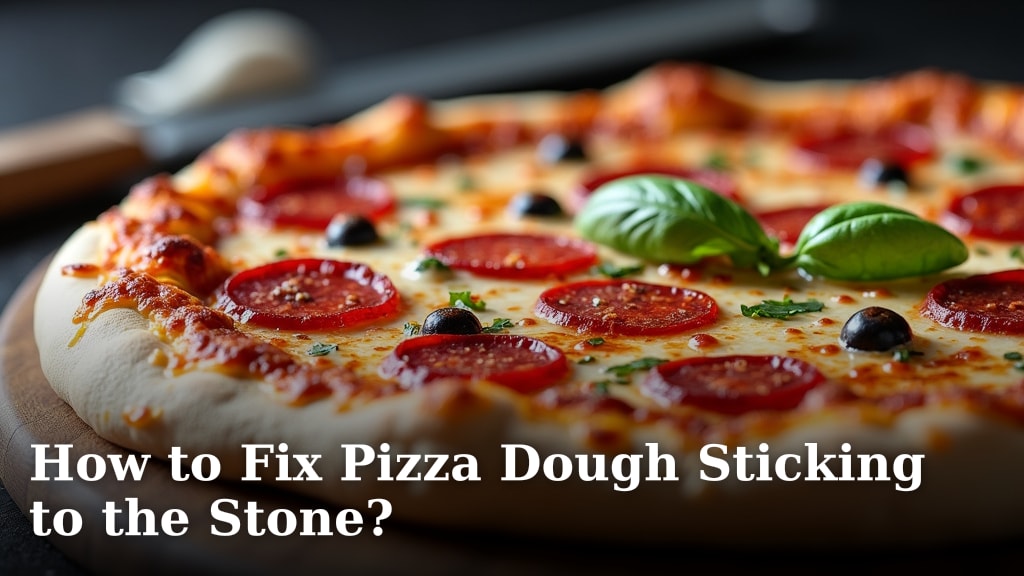
If your pizza dough is sticking to the stone, don’t worry! The best way to fix pizza dough sticking to the stone is to ensure your pizza peel is well-floured and use a quick, confident motion to slide the dough onto the hot stone. A well-preheated stone also makes a big difference.
It’s a common kitchen mishap that can lead to a less-than-perfect pizza. We’ve all been there, watching our carefully crafted dough refuse to budge. Proper preparation and technique are key to preventing this sticky situation and achieving a crispy crust. Understanding the right methods can save your pizza night.
- Use plenty of flour or cornmeal on your peel.
- Make sure your pizza stone is hot.
- Build your pizza quickly on the peel.
- Slide it onto the stone with one swift motion.
- Don’t let the dough sit on the peel too long.
Let’s get your pizza sliding perfectly. We’ll walk through the simple steps to ensure your dough releases beautifully onto your hot pizza stone every time.
Troubleshooting Dough Sticking to Your Pizza Stone
It’s incredibly frustrating when your pizza dough sticks to the stone. You’ve prepped everything, your stone is hot, and then… disaster strikes. That sticky dough refuses to slide off your peel. We know the feeling! But don’t despair. This common kitchen hiccup is usually fixable with a few simple tweaks to your technique and preparation. You can absolutely achieve that perfect slide.
Preventing Dough Sticking: The Flour Power Method
The first and most important line of defense against sticky dough is proper preparation of your pizza peel. Think of your peel as the runway for your pizza. If it’s not slick enough, your pizza plane won’t take off. The key is using enough of the right material.
Choosing Your “Non-Stick” Agent
What you dust your peel with matters. While flour is the most common choice, some materials work better than others. It’s all about creating a barrier.
All-Purpose Flour: The Standard Choice
Most home cooks reach for regular all-purpose flour. It’s readily available and works well if used generously. You want to see a light, even coating across the entire surface of the peel where the dough will sit. Too little, and it’s useless. Too much, and it can burn and taste bitter on your crust.
Cornmeal: The Gritty Advantage
Many pizza aficionados swear by cornmeal, especially medium-grain. The small granules act like tiny ball bearings. They help the dough slide off more easily. It also adds a pleasant, slightly crunchy texture to the bottom of your pizza crust. Think of it as adding a layer of miniature marbles under your dough.
Semolina Flour: A Fine Alternative
Semolina flour is another excellent option. It’s a coarser flour made from durum wheat. Its texture is somewhere between all-purpose flour and cornmeal. It provides a good sliding surface and can add a subtle nutty flavor.
The Dusting Technique
Regardless of your choice, the technique is similar. Sprinkle a good amount of your chosen agent onto the peel. Then, spread it evenly with your hand or by gently tapping the peel. You want the entire area where your pizza will rest to be coated. No bare spots allowed!
The “Shake Test” for Perfect Peel Prep
How do you know if you’ve used enough? A simple shake test works wonders. Place a dollop of dough on the dusted peel. Gently shake the peel back and forth. If the dough slides freely with minimal resistance, you’ve likely used enough. If it feels stuck or drags, add more and try again. Your dough should feel like it’s floating on that layer.
The Importance of a Hot Pizza Stone
Your pizza stone plays a surprisingly large role in preventing sticking. A cold or lukewarm stone is your dough’s worst enemy. It doesn’t create that immediate “grab” that helps a pizza set. You want it screaming hot.
Preheating is Non-Negotiable
You need to preheat your pizza stone for a significant amount of time. We’re talking at least 30 to 60 minutes before you even think about putting your pizza on it. Place the stone in your oven during the initial preheating phase. Then, let it sit at your desired baking temperature for that full duration. This ensures the stone is evenly heated all the way through.
The Role of Oven Temperature
Most pizzas cook best at high temperatures, typically between 450°F and 550°F (230°C – 290°C). A hotter oven means a hotter stone. This high heat helps the bottom of your crust cook quickly. It also creates a slight puff and separation between the dough and the stone surface. This initial “shock” helps prevent sticking.
Knowing When Your Stone is Ready
You can’t always judge a stone’s temperature by sight. The best way is through consistent preheating. If you’re unsure, an infrared thermometer can be a useful tool. Aim for a surface temperature of at least 450°F (230°C). Many pizza experts recommend aiming even higher, closer to 500-550°F (260-290°C) for optimal results.
Speed and Confidence: The Launch Technique
Once your peel is dusted and your stone is hot, the actual launching of the pizza is a critical moment. Hesitation or slow movements can be the downfall of even the best-prepared pizza.
Assemble Your Pizza Quickly
Don’t let your pizza sit on the peel for too long. The longer it rests, the more time the dough has to absorb moisture from the toppings and stick to the peel. Work efficiently. Have all your toppings prepped and within easy reach before you stretch your dough.
The “Shimmy” and Slide
Here’s where the magic happens. Once your pizza is fully assembled on the prepared peel, it’s time for the launch. The key is a swift, decisive motion. Start by gently shaking the peel back and forth. This should loosen the dough if it has started to stick. Then, with a confident, single movement, pull the peel out from under the pizza, sliding it onto the hot stone. Think of it like a quick tug-of-war, but you win!
If It Starts to Stick: The Gentle Nudge
If you notice the dough isn’t sliding freely, don’t panic. Try a slightly more vigorous shimmy. You can also try gently nudging the pizza from the back edge with your finger (carefully, as the peel might be warm!). Sometimes, a little extra coaxing is all it needs. If it’s really stuck, you might have to try and lift it and add a bit more flour or cornmeal underneath, but this is a last resort.
What If Your Dough Still Sticks? Common Pitfalls and Solutions
Even with the best advice, sometimes things don’t go perfectly. Let’s look at a few more common reasons your pizza dough might be sticking and how to fix them.
Dough is Too Wet or Sticky
If your pizza dough recipe results in a very wet or sticky dough, it’s inherently more prone to sticking. You might need to adjust your recipe. Many sources suggest that a well-hydrated dough is great for texture, but it requires a more generous amount of flour or cornmeal on the peel (Mayo Clinic). Consider slightly reducing the water content next time, or ensure your dough is properly kneaded to develop gluten, which helps give it structure.
Toppings Adding Too Much Moisture
This is a big one! Wet toppings can release liquid onto the dough while it’s sitting on the peel. This moisture acts like glue. Consider draining any watery toppings like fresh mozzarella or canned mushrooms thoroughly before adding them to your pizza. Patting them dry with a paper towel can make a huge difference. Research from culinary institutes often highlights moisture management as key for dough handling (Culinary Institute of America).
Not Enough Headroom on the Peel
Ensure your pizza isn’t too large for your peel. If the edges of your pizza hang over the sides, it’s much harder to get the whole thing to slide off cleanly. You want a little bit of the peel showing around the edges of your unbaked pizza. This gives you space to maneuver and ensure the entire base is supported.
Drafts and Air Movement
This might sound odd, but drafts can affect your pizza on the peel. If there’s a strong fan or open window, the air movement can sometimes cause the dough to stick to the peel. It’s like static cling for dough! Try to minimize drafts around your prep area when you’re getting ready to launch.
Quick Checklist for a Smooth Pizza Launch
Here’s a quick rundown to ensure your pizza slides perfectly every time:
- Generously dust your peel with flour or cornmeal.
- Ensure your pizza stone is fully preheated.
- Assemble your pizza on the peel quickly and efficiently.
- Use a confident, swift motion to slide the pizza onto the stone.
- Drain any particularly wet toppings before adding them.
- Make sure your pizza fits comfortably on your peel.
Conclusion
Mastering the pizza stone launch is all about preparation and confidence. You’ve learned that a well-floured peel is your best friend, and a screaming hot pizza stone is non-negotiable. Remember to build your pizza quickly and give it a decisive shove onto the stone. Don’t let those sticky situations get you down! With these tips, you’re well on your way to perfect, homemade pizzas with that desired crispy crust. Now, go ahead and bake your best pizza yet!
Frequently Asked Questions
What’s the best thing to put on my peel to stop dough sticking?
The most common and effective options are all-purpose flour, cornmeal, or semolina flour. Cornmeal is often preferred because its granules act like tiny ball bearings, helping the dough slide more easily. Whichever you choose, make sure to dust your peel generously and evenly.
How long does a pizza stone really need to preheat?
Pizza stones require significant preheating to work properly. You should plan to preheat your stone for at least 30 to 60 minutes at your oven’s highest temperature, usually between 450°F and 550°F. This ensures the stone is evenly hot throughout.
My dough sticks even after I flour the peel. What else could be wrong?
If your dough is still sticking, check the moisture content of your toppings. Very wet toppings can release liquid that makes the dough adhere to the peel. Also, ensure your dough isn’t too wet itself, or consider if your pizza is simply too big for the peel.
Is it okay if a little flour or cornmeal gets onto the pizza stone?
Yes, a little bit of flour or cornmeal on the stone is perfectly fine. In fact, it’s expected when you’re launching your pizza. It helps create that slick surface. Just make sure you aren’t using an excessive amount, as it can sometimes burn and create a bitter taste.
How can I tell if my pizza stone is hot enough?
While visual cues can be deceiving, the best indicator is consistent preheating for the recommended time (30-60 minutes). If you want to be precise, an infrared thermometer is a great tool. Aim for a surface temperature of at least 450°F (230°C), ideally higher.
