
Why Is My Pizza Dough Sticking to the Stone?
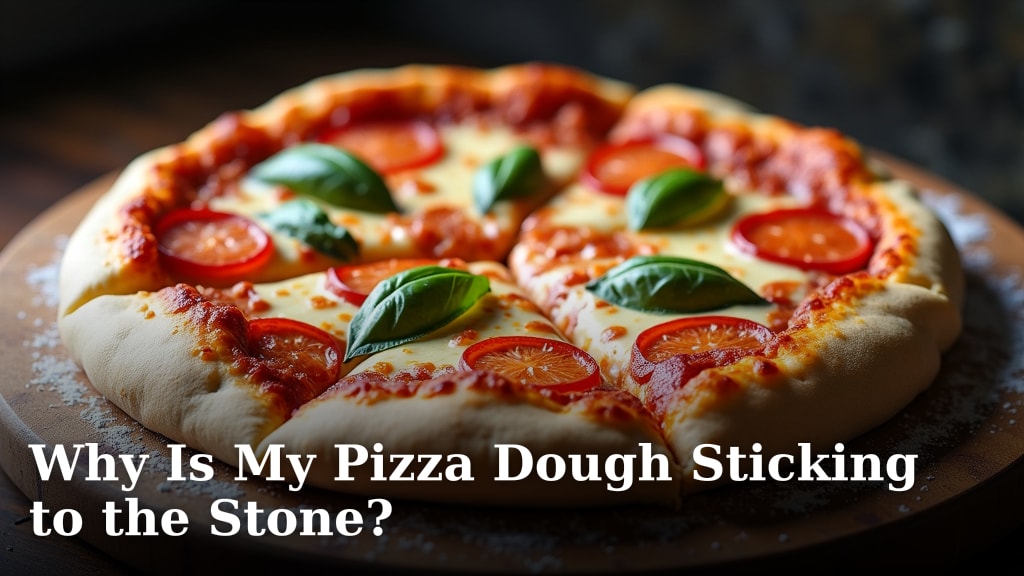
Your pizza dough is sticking to the stone because it likely wasn’t hot enough, or it didn’t have enough flour or cornmeal to act as a barrier. This is a common pizza-making hiccup, but thankfully, it’s usually a simple fix. You want that dough to slide right off!
Several factors can cause this frustrating adhesion. We found that a stone that isn’t properly preheated is a prime culprit. Also, how you prepared the dough’s surface before launching it onto the stone plays a big role. Let’s get your pizza sliding perfectly.
- Pizza dough sticks most often due to a cold stone or not enough flour/cornmeal.
- Always preheat your pizza stone thoroughly.
- Use enough cornmeal or flour on your peel.
- Don’t let the dough sit too long on the peel.
- Ensure your dough isn’t too wet.
Below, we’ll walk you through the common reasons your pizza dough is sticking and how to easily prevent it for perfect pies every time.
Troubleshooting Dough Sticking to Your Pizza Stone
Discovering your pizza dough is stuck fast to your stone is incredibly disappointing. You’ve spent time making the perfect dough, anticipating that cheesy, bubbly masterpiece. Then, the moment of truth arrives, and your pizza refuses to budge. We’ve all been there! Fortunately, most sticking issues stem from a few common problems that are easy to fix.
The most frequent culprits are related to temperature and preparation. Let’s get your pizza sliding like a pro, creating those beautiful, perfectly baked crusts you crave.
The Importance of a Screaming Hot Stone
This is often the number one reason your pizza dough refuses to cooperate. Think of your pizza stone like a hot skillet. If you put batter into a cold pan, it’s going to stick. Your pizza stone works the same way. It needs to be incredibly hot to instantly start cooking the bottom of your dough.
When the stone is properly preheated, it creates a rapid evaporation of moisture from the dough’s underside. This steam acts like a tiny, temporary lubricant, helping to lift the dough away from the stone. A cold or insufficiently heated stone just lets the dough meld with it.
How Long Does a Stone Really Need?
We found that most home ovens require a minimum of 30-60 minutes of preheating to get a pizza stone truly hot. Even if your oven says it’s reached temperature, the stone inside might still be a good deal cooler. It needs time to absorb that heat.
Pro tip: Crank your oven as high as it will go. Most recipes suggest 450-550°F (230-290°C). Put your stone in the oven as it preheats. This ensures the entire stone reaches the maximum possible temperature.
Signs Your Stone Isn’t Hot Enough
If your dough sticks, it’s a pretty clear sign. But other indicators include a pale, undercooked bottom crust. You’re looking for that nice golden-brown char. If you’re not getting it, your stone likely wasn’t hot enough.
We’ve seen many home cooks pull their pizza out and find the dough stuck like glue, accompanied by a sad, white, doughy bottom. Don’t let this happen to you!
Your First Line of Defense: Flour and Cornmeal
Even with a scorching hot stone, a little help on the surface of your pizza peel is essential. This is your barrier, your non-stick spray, your little pizza-helper. Cornmeal is a favorite for many because its coarse texture acts like tiny ball bearings.
Flour works too, but it can burn more easily at high temperatures. Cornmeal has a higher smoke point. Either way, the key is to use enough of it. Don’t be shy!
The Right Amount for a Smooth Launch
A light dusting just won’t cut it. You want a visible layer of cornmeal or flour on your pizza peel. Think of it as creating a bed for your dough to rest on.
When you’re assembling your pizza, work quickly. Once the dough is on the peel with toppings, you don’t want it sitting there for too long. The moisture from the sauce and toppings can start to soak into the dough. This makes it stickier and heavier, increasing the chance of it adhering to the peel and then the stone.
What If You Run Out of Cornmeal?
Don’t panic! All-purpose flour is a perfectly acceptable substitute. Some folks even use semolina flour for a slightly different texture and nutty flavor. The principle remains the same: create a non-stick surface.
Research and found that a mixture of flour and cornmeal can also work wonders. If you only have flour, just be extra sure to use a generous amount. And remember to keep your peel moving slightly once the pizza is topped to prevent any initial sticking.
Dough Consistency: The Wetness Factor
Sometimes, the problem isn’t the stone or the peel, but the dough itself. If your pizza dough is too wet, it’s naturally going to be stickier. High-hydration doughs are fantastic for achieving a light, airy crust, but they require a bit more care.
We found that dough that feels overly sticky even before you top it is a red flag. It might not have had enough flour kneaded in, or it might have absorbed too much moisture from the air.
The Feel Test for Dough
A good pizza dough should be slightly tacky, not outright sticky. It should pull away from your hands relatively cleanly after kneading. If it’s constantly clinging to your fingers, making it hard to handle, it’s likely too wet.
When assembling, if the dough feels like it’s starting to tear or is just too difficult to stretch without sticking to itself or your work surface, it might be too wet. Adding just a little bit more flour during the kneading process can make a big difference.
Troubleshooting Sticky Dough
If you’ve already mixed your dough and it’s too wet, don’t despair! You can often fix it. Lightly flour your hands and your work surface. Gently knead in a tablespoon of flour at a time until the dough reaches a more manageable, less sticky consistency.
We found that letting the dough rest for 10-15 minutes after adding extra flour can help the gluten relax and absorb the moisture better. This small adjustment can save your pizza from a sticky fate.
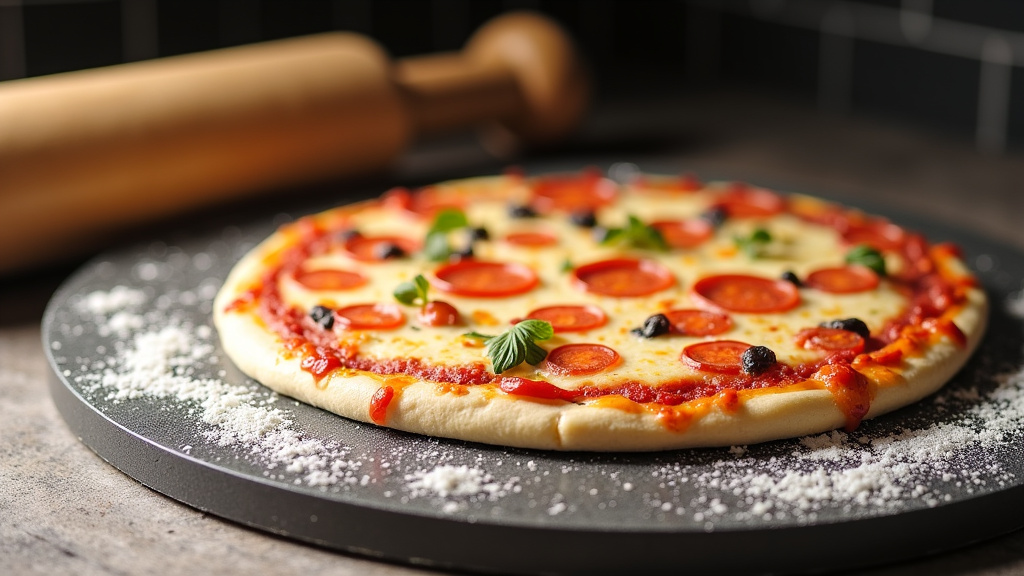
The Peel: Your Pizza’s Transfer Vehicle
Your pizza peel is the crucial tool for moving your pizza from the counter to the stone. If the peel itself is the source of the stickiness, your pizza is doomed before it even hits the heat.
The material of your peel matters, but more importantly, how you use it is key. Wood peels tend to be more forgiving for beginners, as they absorb some moisture and offer a bit more grip. Metal peels are slicker, which can be great for quick launches once you get the hang of it. The material of your peel matters, and wood peels tend to be more forgiving for beginners, as they absorb some moisture and offer a bit more grip.
Maintaining Your Pizza Peel
Ensure your peel is clean and dry. Any residue from previous use can cause sticking. For wooden peels, avoid washing them with soap and water, as this can cause the wood to warp or crack. A stiff brush or scraper is usually best for cleaning.
We found that keeping a dedicated peel for pizza and storing it properly will ensure it’s always ready for action. Avoid using it for anything else to keep it clean and free of debris.
The “Sit Test” on the Peel
This is a quick way to check if your peel and topping combination is going to cause trouble. After you’ve assembled your pizza on the peel, give it a gentle shake or jiggle forward and backward. If the pizza moves freely, you’re good to go. If it feels stuck, you have a problem.
This test is best done *before* you’ve added all your wet toppings. If you notice it sticking early on, add a bit more cornmeal or flour underneath, or even carefully lift and rearrange the dough.
A Quick Checklist for a Smooth Launch
Here’s a quick recap of things to check to prevent your pizza dough from sticking:
- Preheat Thoroughly: Give your stone at least 30-60 minutes in a hot oven.
- Generous Cornmeal/Flour: Don’t be stingy on your peel.
- Assemble Quickly: Less time on the peel means less chance to stick.
- Check Dough Stickiness: Is it manageable or overly wet?
- Test the Slide: Give your peel a gentle jiggle before transferring.
- Dry Peel: Ensure your transfer tool is clean and moisture-free.
Conclusion
Getting your pizza dough to slide perfectly onto the stone is all about preparation and heat. You’ve learned that a screaming hot stone is your best friend, requiring thorough preheating to create that essential steam barrier. Don’t forget the humble cornmeal or flour on your peel – it’s your non-stick shield.
Pay attention to your dough’s consistency, too; a little too wet can spell disaster. By mastering these simple steps – preheating, dusting, and checking your dough – you’ll banish sticking troubles for good. Now, go make that pizza with confidence!
Frequently Asked Questions
What if my pizza stone is already hot, but the dough still sticks?
Even with a hot stone, a lack of flour or cornmeal on your peel is often the culprit. Ensure you’re using a generous, visible layer to act as ball bearings. Also, check that your dough isn’t sitting on the peel for too long, as moisture can still soak in.
Can I use regular all-purpose flour instead of cornmeal on my peel?
Yes, absolutely! All-purpose flour works well as a substitute for cornmeal. You might just need to be a bit more generous with it, as it can burn slightly faster than cornmeal at very high temperatures. Some people even mix flour and cornmeal.
My pizza dough tears when I try to move it on the peel. What’s wrong?
Tearing often means your dough is too wet or has been sitting on the peel too long. Try adding a little more flour during kneading next time for a firmer dough. For immediate fixes, add more cornmeal or flour underneath, or gently try to lift and reposition the dough.
How long should I realistically wait after taking my pizza out of the oven before making another one?
It’s best to let your pizza stone reheat for at least 15-20 minutes between pizzas. While it may seem hot, it needs time to regain its optimal temperature to properly cook the next pizza’s bottom crust and prevent sticking.
What’s the biggest mistake new pizza makers make regarding sticking?
The most common mistake is not preheating the pizza stone for long enough. Many ovens indicate they are at temperature long before the stone itself has absorbed enough heat. Always aim for at least 30-60 minutes of preheating to ensure maximum heat.
