
How to Fix Pizza Oven Flame Going Out?
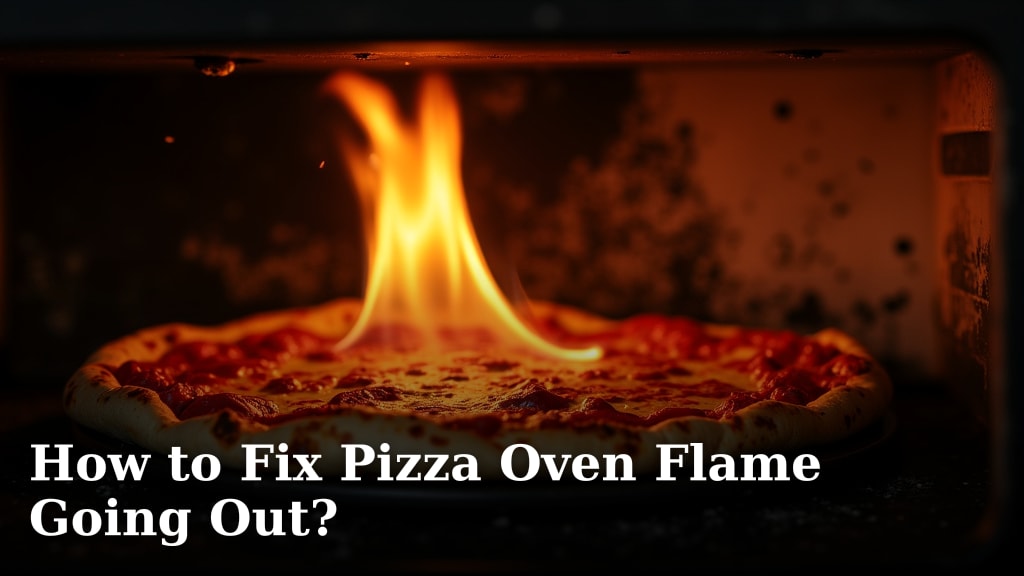
Your pizza oven flame going out is usually a sign of one of a few common issues. Often, it’s just a lack of fuel, like not enough wood or gas. Other times, it could be a draft problem or your oven running too cool. Don’t worry, these are typically easy fixes!
We’ve all been there, dreaming of perfect Neapolitan pies, only to have the flame die. Understanding the primary causes helps you get back to baking quickly. It’s about maintaining that perfect balance of heat and oxygen for a roaring fire.
- Check your fuel source (wood or gas).
- Ensure proper airflow and ventilation.
- Verify your oven is reaching the correct temperature.
- Clean out ash buildup regularly.
- Look for obstructions in the chimney or gas line.
Let’s walk through how to diagnose and fix that sputtering flame so you can get back to making delicious pizzas.
Troubleshooting Your Pizza Oven Flame: What to Do When It Goes Out
It’s a common frustration: you’re ready to bake that perfect pizza, and suddenly, your pizza oven flame flickers out. You might feel a pang of panic, but don’t worry! Most of the time, this issue is quite manageable. Often, it boils down to simple things like fuel, airflow, or temperature.
Think of your pizza oven flame like a sensitive artist. It needs the right materials and conditions to perform. If something is off, the show stops. We’ve researched the most frequent culprits behind a dying flame. Let’s get that fire roaring again so you can enjoy delicious, wood-fired pizza.
Understanding the Basics of a Healthy Pizza Oven Flame
Before we dive into fixing problems, let’s quickly touch on what makes a pizza oven flame healthy. A consistent, strong flame means your oven is at the right temperature. It also shows that it’s getting enough fuel and oxygen. This balance is key for cooking pizza properly.
A good flame usually burns with a bright yellow or orange color. It should be steady and not too smoky. If your flame looks weak, wispy, or constantly goes out, it’s a clear signal that something needs attention. We’ll cover the most likely suspects.
Fuel: The Heart of the Fire
The most obvious reason your flame might die is a lack of fuel. This applies whether you’re using wood or gas.
Wood-Fired Ovens: Fueling the Flames
For wood-fired ovens, this means ensuring you have enough wood. You need seasoned hardwood for the best results. Green or wet wood produces a lot of smoke and poor heat. It can also make the flame sputter and die. For wood-fired ovens, this means ensuring you have enough seasoned hardwood for the best results.
We found that using small, dry pieces of wood is essential. Start with kindling and smaller logs. As the oven heats up, you can add larger pieces. If you don’t feed the fire enough, it will naturally die down. This is especially true in the initial heating phase.
Tip: Always have a good supply of dry, seasoned hardwood ready. Storage is important, too. Keep your wood protected from rain and humidity.
Gas-Fired Ovens: Checking Your Gas Supply
If you have a gas pizza oven, the flame going out often points to a gas supply issue. First, check if your propane tank is empty. It sounds simple, but it’s easy to overlook. If you have a gas pizza oven, the flame going out often points to a gas supply issue, like if your propane tank is empty.
We found that the gas regulator can also be a source of problems. If it’s faulty or set incorrectly, it might not deliver enough gas. Some regulators have a safety mechanism that can shut off the gas flow if they detect an issue. Resetting this might help.
Tip: Ensure your gas hose isn’t kinked or damaged. A blocked hose will restrict gas flow.
Airflow: Giving Your Fire Room to Breathe
Oxygen is crucial for any fire. Without enough airflow, your flame will struggle and eventually go out. This is true for both wood and gas ovens, though the mechanisms are slightly different.
Draft Issues in Wood-Fired Ovens
In a wood-fired oven, the chimney is vital for creating a good draft. The draft pulls fresh air into the oven and pushes smoke out. If the chimney is blocked or too short, the airflow will be poor.
We found that ash buildup is a common cause of chimney blockages. Regularly cleaning out the ash from your oven and the base of the chimney is important. Also, make sure the chimney damper (if you have one) is open enough.
Tip: A sudden gust of wind can sometimes affect the draft. If your oven is in an exposed area, this might be a temporary factor.
Air Intake and Gas Burners in Gas Ovens
Gas ovens need air intake ports to mix with the gas. If these ports are blocked by debris or soot, the air-gas mixture will be off. This can lead to a weak flame or one that goes out.
We found that many gas oven burners have small holes. These can get clogged. Gently cleaning these holes with a small wire or compressed air can often resolve the issue. Check your oven’s manual for specific cleaning instructions for the burner assembly.
Tip: Ensure the oven’s air vents aren’t obstructed by anything, like oven covers or nearby objects.
Temperature Troubles: When Your Oven Isn’t Hot Enough
Pizza ovens need to reach a high temperature to cook pizza correctly. If your oven isn’t getting hot enough, the flame might not sustain itself. This is especially true for wood-fired ovens.
Preheating is Non-Negotiable
Many people underestimate the importance of proper preheating. A wood-fired oven needs significant time to reach its optimal temperature. This usually takes 30-60 minutes, sometimes longer depending on the oven’s size and insulation.
We found that rushing the preheating process is a common mistake. If you try to cook before the oven dome and floor are hot, the fire will struggle. It won’t have enough stored heat to keep going. You need to build a good fire and let it burn strongly.
Checking Your Oven’s Temperature
Using an infrared thermometer can help you monitor your oven’s floor temperature. For Neapolitan-style pizzas, you’re aiming for around 800-900°F (425-480°C). The dome temperature will be even higher.
We found that if your oven consistently struggles to reach these temperatures, there might be an underlying issue. This could be related to fuel, airflow, or even the oven’s construction or insulation.
Maintenance Matters: Keeping Your Oven in Top Shape
Regular maintenance is key to preventing flame-outs. A clean oven is a happy oven.
Dealing with Ash Buildup (Wood-Fired Ovens)
Ash is a natural byproduct of burning wood. Over time, ash can accumulate and block airflow. It can smother the flames and make it harder to maintain a good fire.
We found that it’s best to remove excess ash regularly. You don’t need to remove all of it every time, as a small amount can help insulate the oven floor. However, large clumps can impede airflow and heat distribution.
Tip: Use a metal ash shovel and brush to clear out the ash. Make sure the oven has cooled down considerably before doing this.
Cleaning Burners and Gas Lines (Gas-Fired Ovens)
For gas ovens, periodic cleaning of the burners is essential. Soot and food debris can accumulate and cause issues. Carefully follow the manufacturer’s instructions for cleaning your specific model.
We found that checking the gas line connections for leaks or damage is also important. While this is less about the flame going out and more about safety, a damaged line could affect fuel flow.
Common Scenarios and Quick Fixes
Let’s look at some specific scenarios and how to tackle them.
Scenario 1: Flame Dies During Initial Heating
This often happens when you’re just starting to heat your wood-fired oven. You might not have enough fuel, or the fuel isn’t burning efficiently.
- Fix: Add more small, dry pieces of wood. Ensure good airflow by arranging the wood loosely. Try to get the fire going strongly before adding larger logs.
Scenario 2: Flame Dies Suddenly While Cooking
This could be due to a sudden change in airflow or running out of fuel. For gas ovens, it might be a regulator issue.
- Fix (Wood): Quickly add a few small logs and ensure the air vents are open.
- Fix (Gas): Check your propane tank. If it’s not empty, try resetting the gas regulator. Ensure the burner ports are clean.
Scenario 3: Weak, Wispy Flame All the Time
This indicates a persistent problem with fuel or airflow.
- Fix: Inspect your fuel supply and quality. Clean out ash or debris from the oven and chimney. Ensure gas burners and air intakes are clean and unobstructed. Check the gas regulator.
Scenario 4: Flame Goes Out in Windy Conditions
Wind can disrupt the draft in wood-fired ovens or blow out gas flames directly.
- Fix (Wood): Try to shield the oven opening slightly or build a more robust fire.
- Fix (Gas): Many outdoor gas appliances have wind guards. Ensure yours is functioning correctly or consider a temporary shield. Some ovens have flame sensors that might be too sensitive to wind gusts.
A Quick Checklist for Flame Success
Keep this handy list to ensure your oven is ready to perform:
- Are you using dry, seasoned hardwood for wood ovens?
- Is your propane tank full and connected properly for gas ovens?
- Have you preheated your oven sufficiently?
- Is the oven chimney clear of ash and debris?
- Are gas burner ports clean and air intakes unobstructed?
- Is the gas regulator functioning correctly (if applicable)?
Conclusion
You’ve learned that a pizza oven flame going out isn’t usually a disaster. It’s often a sign that your oven needs a little attention. We found that checking your fuel, ensuring proper airflow, and maintaining the right temperature are your best defenses. Regular cleaning also plays a big role.
Don’t let a sputtering flame ruin your pizza night. The next time you fire up your oven, keep these simple checks in mind. You’ll be back to enjoying perfectly cooked pizzas in no time!
Frequently Asked Questions
My wood-fired oven flame keeps going out even with plenty of wood. What else could it be?
If your wood-fired oven flame is still going out despite adding wood, the issue might be with airflow. We found that ash buildup in the chimney or oven floor can choke the fire. Make sure your chimney is clear and you’re allowing enough air to enter the oven.
My gas pizza oven flame is weak and flickers. Is it a gas pressure problem?
A weak or flickering flame in a gas oven can certainly be a gas pressure issue, often related to the regulator. We’ve seen that a faulty or incorrectly set regulator can restrict gas flow. It’s also worth checking if the burner ports are clean and unobstructed.
How often should I clean out the ash from my wood-fired pizza oven?
You should clean out excessive ash from your wood-fired oven regularly, especially before firing it up for a long cooking session. We found that while a small layer of ash can help insulate, too much will smother the flames and impede airflow.
Can wind really put out my pizza oven flame?
Yes, strong winds can definitely affect your pizza oven flame, particularly in wood-fired models. We found that wind can disrupt the natural draft needed to keep the fire burning. For gas ovens, wind can sometimes blow out the flame directly, though many have protective features.
My gas oven won’t light, or the flame dies immediately. What’s the first thing I should check?
If your gas oven won’t light or the flame dies immediately, the very first thing to check is your propane tank. Ensure it’s full and properly connected. We often find that an empty tank is the simplest reason for no flame. If the tank is full, check the gas line for kinks or obstructions.
