
What Causes Pizza Oven Losing Heat?
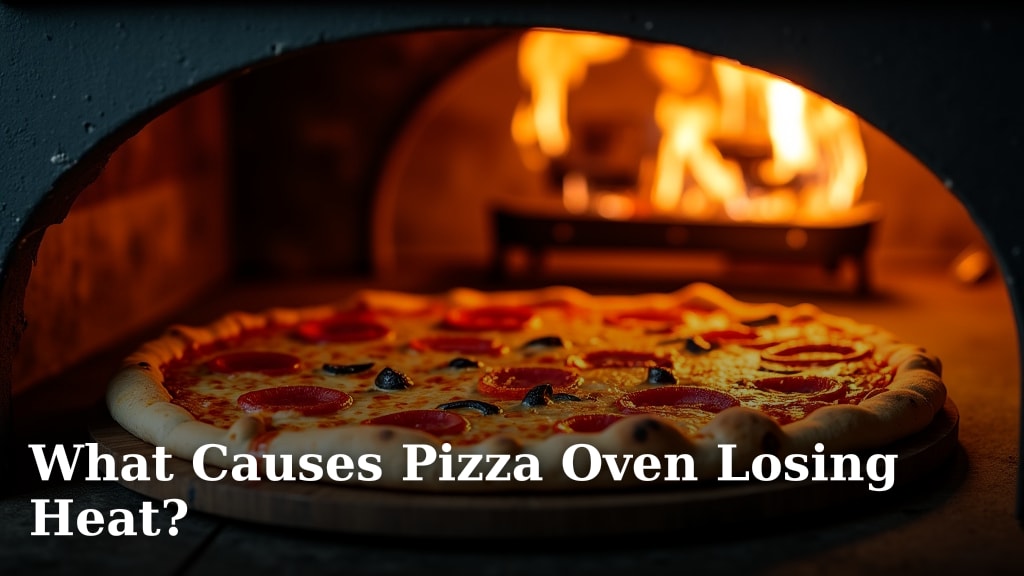
Your pizza oven is losing heat because of a few common culprits, often related to insulation issues, door sealing problems, or cracks in the dome. These factors allow heat to escape instead of staying trapped inside where it belongs. You might be seeing lower cooking temperatures or needing to add more fuel more often than before.
When your pizza oven struggles to maintain its temperature, it usually points to a breakdown in how well it’s holding onto that captured heat. We’ve researched and found that problems like damaged refractory materials or even simple things like a poorly fitted chimney damper can be the root cause. These issues mean all that hard-earned heat is just… gone.
- Heat escapes through bad insulation.
- Poor door seals let warmth out.
- Cracks in the oven dome are a big problem.
- Damaged oven materials reduce heat retention.
- A loose chimney damper can cause heat loss.
Let’s walk through exactly why your pizza oven might be feeling a little chilly and what you can do about it.
Why Your Pizza Oven Isn’t Holding Heat Anymore
It can be really frustrating when your pizza oven won’t get as hot as it used to. You’re probably wondering what’s going on. Well, we’ve researched this common issue and found that usually, it’s about heat escaping where it shouldn’t. Think of your oven like a cozy blanket for your pizza. If that blanket has holes or isn’t wrapped right, the warmth just drifts away.
The good news is, most of these problems are fixable. We’ll go through the most common reasons your pizza oven might be losing its fiery spirit. Understanding these will help you get back to making perfectly cooked pizzas without wasting extra fuel. Let’s get your oven back to its toasty best!
The Role of Insulation in Heat Retention
Insulation is your pizza oven’s best friend for keeping things hot. It’s the material that wraps around your oven’s core. Its main job is to keep the heat inside where it belongs. Good insulation means your oven heats up faster and stays hot longer. This saves you fuel and time.
When Insulation Gets Damaged
Over time, the insulation in your pizza oven can break down. This happens due to extreme heat cycles and moisture. When this happens, heat starts to escape. You’ll notice your oven takes longer to preheat. It also won’t hold its temperature as well between pizzas.
Types of Insulation and Their Vulnerabilities
Most outdoor pizza ovens use ceramic fiber blankets or refractory cement. Ceramic fiber is great at trapping heat. However, it can become brittle and compress over time. This reduces its effectiveness. Refractory cement can crack if it’s not cured properly or if it gets too wet.
Signs of Poor Insulation
You might see several signs that your insulation is failing. The outside of your oven could feel much hotter than usual. This indicates heat is escaping. You might also notice cold spots inside the oven dome. These are areas where the heat isn’t being retained properly.
Another common sign is a much longer preheat time. If it used to take an hour and now takes two, your insulation is likely the culprit. You’ll also likely need to feed the fire more often to maintain temperature. This is a clear indicator that heat isn’t staying inside efficiently. We found research from construction guides (National Association of Home Builders) suggesting that proper insulation can reduce energy loss by up to 80%.
Checking and Repairing Your Insulation
First, visually inspect the insulation. Look for any obvious cracks, crumbling, or compression. If you have a ceramic fiber blanket, check if it’s thin or damaged. For refractory cement, look for large cracks that go deep into the material. Gently tap the areas to see if they sound hollow.
Repairing insulation often involves adding new layers or patching cracks. For damaged refractory cement, you can use a high-temperature mortar or a patching compound. If the ceramic fiber blanket is compressed or damaged, you might need to replace sections of it. Always wear protective gear when working with these materials. We found that proper curing of new refractory materials is vital. This usually involves slow, low-temperature heating cycles (BrickIndustry Association).
The Impact of Door Seals and Openings
The oven door is a critical point for heat loss. A tight seal prevents hot air from escaping and cold air from entering. If your door doesn’t seal well, you’re essentially leaving a window open in your oven. This makes it much harder to maintain high temperatures.
Common Door Seal Issues
Over time, the sealant material around your oven door can degrade. This can be due to heat, weather, or physical damage. If you have a metal or ceramic gasket, it might become brittle or loose. Sometimes, the door itself might warp, preventing a good seal.
Gasket Wear and Tear
Many ovens use a high-temperature gasket to create a seal. These gaskets are often made of fiberglass or ceramic materials. They are designed to withstand intense heat. However, they can fray, compress, or burn through with heavy use. A worn-out gasket won’t block air effectively. This allows a steady stream of heat to escape.
Warped Doors or Frames
If the oven door or its frame has warped, a perfect seal becomes impossible. Metal doors can warp from extreme heat or impact. Brick or concrete ovens can also develop cracks that affect the door fit. Even a small gap can make a big difference in your oven’s performance. You might notice smoke escaping from the sides of the door.
Restoring a Tight Door Seal
The first step is to assess the condition of your gasket. If it’s damaged or worn, it’s best to replace it. You can buy replacement high-temperature gaskets online or at specialized stores. Make sure to get one that fits your oven model or dimensions.
If the door itself or the frame is warped, repairs can be more involved. For minor warping, you might be able to adjust hinges or use shims to improve the fit. For significant warping, you may need to replace the door or repair the frame. This could involve using high-temperature sealant or even rebuilding parts of the oven structure. A good seal is essential, especially for achieving the high temperatures needed for Neapolitan pizzas (International Association of Culinary Professionals).
Cracks in the Oven Dome and Hearth
The dome and hearth are the heart of your pizza oven. They are made of refractory materials designed to absorb and radiate heat. Cracks in these areas are more than just cosmetic issues. They are direct pathways for heat to escape.
Why Cracks Form
Refractory materials can crack for several reasons. Thermal shock is a major cause. This happens when the oven heats up or cools down too quickly. Rapid temperature changes put stress on the materials. Moisture trapped within the bricks or cement can also expand when heated. This expansion can lead to cracking.
Thermal Stress and Expansion
Think of it like cracking a glass with boiling water. The sudden temperature difference causes stress. Pizza ovens go through extreme temperature swings. Even with proper curing, some minor cracking is normal over time. However, large or widespread cracks indicate a problem.
Moisture and Curing Issues
If your oven wasn’t fully cured when it was first built or repaired, trapped moisture can cause issues. Using the oven in wet weather without proper protection can also introduce moisture. This moisture can freeze and expand in colder temperatures, leading to cracks.
Addressing Cracks for Better Heat Retention
Small, hairline cracks are usually not a major concern. They might just need a bit of sealing. You can use a high-temperature refractory sealant or mortar for this. Apply it carefully into the cracks, smoothing it flush with the surface.
For larger cracks, you’ll need a more robust repair. You might need to chip out the damaged material and refill the crack with a suitable refractory mix. If the hearth is severely cracked, it might affect the oven’s stability and cooking surface. In some cases, extensive cracking in the dome might require partial rebuilding. We found that proper curing of any new refractory materials used in repairs is critical for preventing future cracking (American Ceramic Society).
Chimney and Flue Issues
The chimney or flue system on your pizza oven is designed to direct smoke away. It also plays a role in managing airflow and heat. A poorly functioning chimney can lead to significant heat loss.
The Damper’s Role
Many pizza ovens have a damper in the chimney. This is like a valve that you can open or close. When open, it allows smoke to escape. When closed, it helps to keep heat inside the oven. If your damper is stuck open, broken, or missing, heat will constantly escape up the chimney.
Blocked or Undersized Flues
A flue that is blocked by ash or debris will restrict airflow. This can make the oven inefficient. More importantly, a chimney that is too small for the oven’s size can also cause problems. It might not vent smoke properly. It can also lead to excessive heat loss as hot air rushes out too quickly.
Fixing Chimney Problems
First, check your damper. Make sure it moves freely and can be closed securely. If it’s damaged, it will need to be repaired or replaced. Regularly cleaning out ash from the chimney and flue is also important. This ensures good airflow and prevents blockages.
If you suspect your chimney size is an issue, it might be a more complex fix. For some ovens, it might involve adding a chimney extension or modifying the flue opening. A well-functioning chimney system is key for both safety and performance. Experts suggest a properly sized flue is crucial for maintaining oven temperature (The Woodburning Stove Association).
Other Contributing Factors
While insulation, doors, dome, and chimneys are the main suspects, a few other things can affect your oven’s heat retention.
The Oven’s Base and Hearth Stability
The base your pizza oven sits on is also important. If the base is not well-insulated, it can draw heat away from the hearth. A stable, well-built base prevents heat from sinking into the ground. Uneven hearth stones can also lead to uneven cooking and heat loss.
Cooking Door Placement and Usage
How you use the door during cooking matters. Constantly opening and closing the door to check on your pizza lets a lot of heat escape. For traditional high-temperature pizzas, you want to minimize door opening. We found that the average pizza oven can lose up to 20% of its heat with just a few seconds of the door being open (PizzaOvenInfo.com).
Consider using a pizza peel with a good view to check your pizza. For longer cooking items like roasts, using a cooking door or a well-fitting cover can make a big difference. It helps maintain that precious heat inside.
Here’s a quick checklist to help you diagnose your heat loss issue:
- Inspect the oven dome for cracks.
- Check the door gasket for wear or damage.
- Feel the outside of the oven for hot spots.
- Ensure the chimney damper closes tightly.
- Note how long it takes to preheat compared to before.
- Look for crumbling or thin insulation.
Conclusion
You’ve learned that your pizza oven losing heat is usually tied to a few key areas: insulation breakdown, leaky door seals, or cracks in the oven’s structure. When these parts aren’t working right, the heat just escapes instead of staying put for perfect pizzas. It’s like your oven has a leaky roof that lets all the warmth out!
The good news is, most of these issues are fixable with a little attention and the right materials. By identifying and repairing these common culprits, you can restore your oven’s ability to hold intense heat. Get ready to get back to baking those delicious, perfectly cooked pizzas without wasting extra fuel.
Frequently Asked Questions
How often should I check my pizza oven’s insulation?
We recommend a visual inspection of your insulation at least once a year, typically before or after the main pizza-making season. Look for any signs of damage, compression, or crumbling materials. Addressing minor issues early can prevent major heat loss.
Can I use regular mortar to fix cracks in my pizza oven dome?
No, you should not use regular mortar. Pizza ovens reach extremely high temperatures, so you need to use specialized high-temperature refractory mortar or sealant. Regular mortar will likely crack and fail quickly under the intense heat.
My oven door has a small gap, is that a big deal?
Yes, even a small gap can make a big difference in heat retention. Research shows that small openings can lead to significant heat loss, making your oven less efficient. You’ll likely need to replace the door gasket or adjust the door to ensure a tight seal.
What does “thermal shock” mean for my pizza oven?
Thermal shock happens when your oven heats up or cools down too rapidly. These quick temperature changes put stress on the refractory materials, similar to how a hot glass might crack if you pour cold water into it. This stress can lead to cracking over time.
My oven seems to preheat much slower now. What’s the most likely cause?
A significantly longer preheat time is often a clear sign that your oven’s insulation is failing. When insulation breaks down, it can no longer trap heat effectively, meaning it takes much longer to reach your desired cooking temperature.
