
What Product Helps with Pizza Stone Cracking?

The most common product that helps with pizza stone cracking is a pizza steel. While no product can guarantee absolute prevention, a pizza steel is far less prone to cracking than a traditional pizza stone. This is because steel is more flexible and durable. Many home cooks find that switching to steel helps them achieve a crispier crust without worrying about sudden breaks.
Pizza stones can crack due to rapid temperature changes, often called thermal shock. Using a pizza steel mitigates this risk because it conducts heat differently. Steel heats up faster and more evenly. This allows for consistent baking temperatures. It’s a popular choice for those who want a reliable cooking surface for their homemade pizzas and baked goods.
- Pizza steels are your best bet for preventing cracking.
- They are more durable and flexible than traditional pizza stones.
- Steel handles temperature changes much better than ceramic or stone.
- You’ll get a crispier crust without the worry of your surface breaking.
Ready to say goodbye to cracked pizza stones? Let’s dive into why steel is the superior choice and how it can improve your pizza-making game.
You’ve probably been there. You’re about to pull a perfect pizza from your oven, golden crust and bubbling cheese, only to find a giant crack through your pizza stone. It’s a common, frustrating problem. But don’t worry, there’s a better way to get that crispy, delicious crust without the drama of a broken stone.
Why Do Pizza Stones Crack Anyway?
Before we talk about what helps, let’s understand why this happens. Pizza stones crack mainly due to thermal shock. This happens when there’s a sudden, extreme temperature change. Think about taking a super hot stone and plunging it into cold water. That’s a recipe for disaster. It’s like trying to jump into a freezing lake right after sunbathing on a hot day. Your body would be shocked, and so is your stone.
The Science of Thermal Shock
Pizza stones are typically made from ceramic, cordierite, or clay. These materials are porous and expand when heated and contract when cooled. When this expansion or contraction happens too quickly, the internal stresses become too much for the material to handle. The stone then cracks to release that built-up tension.
We found that even the most durable pizza stones can succumb to this. Rapid temperature shifts are the enemy. This includes putting a cold stone into a screaming hot oven or trying to cool a hot stone too quickly. Even consistent, high-heat baking cycles over time can weaken the material. It’s a bit like metal fatigue, but for your baking surface.
Common Causes of Stone Cracking
- Placing a cold stone directly into a preheated oven.
- Pouring cold liquids or placing cold ingredients directly onto a hot stone.
- Washing a hot stone with cold water. Washing a hot stone with cold water is a prime example of thermal shock that can lead to cracking.
- Sudden drops in oven temperature (like opening the oven door for too long).
- Over time, repeated heating and cooling cycles can weaken the stone.
Research and findings consistently point to these factors as leading causes of pizza stone failure. It’s less about the stone being “bad” and more about how it’s treated. Understanding these triggers can help you avoid them, but sometimes, even with the best care, stones can still break.
The Best Alternative for Preventing Pizza Stone Cracks
So, what product truly helps with pizza stone cracking? The answer that consistently comes up is a pizza steel. It’s the modern chef’s secret weapon for perfect pizzas, and it addresses the core issues that lead to stone breakage.
Why Pizza Steel is Superior
Pizza steel is made from solid steel, often carbon steel or stainless steel. Steel behaves very differently under heat than ceramic or stone. It’s incredibly durable and much more forgiving when it comes to temperature changes. You get less stress on the material, which means a much lower chance of cracking.
Think of it this way: a pizza stone is like a fragile piece of pottery. A pizza steel is like a heavy-duty industrial plate. One is designed for delicate use, the other for tough conditions. For the intense heat of pizza making, steel is simply built for the job.
Heat Conductivity: A Key Difference
Steel conducts heat much more efficiently than stone. This might sound like it would cause more thermal shock, but it’s actually the opposite. Steel heats up faster and distributes heat more evenly across its surface. This consistent heat transfer leads to a better cook on your pizza crust.
Because it heats up quickly and evenly, you don’t need to preheat it for as long as a stone. This means less time spent waiting and less prolonged exposure to extreme temperatures that can weaken the material. We found that many users report significantly shorter preheat times with steel.
Flexibility and Durability
Unlike brittle ceramic stones, steel has a slight bit of flex. This flexibility allows it to withstand the stresses of rapid heating and cooling without fracturing. It’s designed to take a beating and keep on performing. You can expect a pizza steel to last for years, even decades, with proper care.
Many cooks have experienced the disappointment of a shattered pizza stone. Switching to steel provides peace of mind. You can focus on perfecting your dough and toppings, not worrying if your cooking surface will survive the next bake. It’s a real game-changer for home pizza enthusiasts.
How Pizza Steel Solves Cracking Issues
The primary benefit of pizza steel is its resistance to thermal shock. While a stone might crack under the same conditions, a steel surface is far more likely to handle it gracefully. This is due to its material properties: metal expands and contracts differently than ceramic materials.
We’ve seen countless anecdotes online where users switched from cracking stones to a steel, and their cracking problems vanished. It’s not magic; it’s physics. The material simply doesn’t hold stress in the same way a brittle stone does. This makes it the most direct answer to the question of what product helps with pizza stone cracking.
Beyond Just Preventing Cracks: Benefits of Pizza Steel
While preventing cracks is a major draw, pizza steel offers other fantastic benefits that enhance your pizza-making experience. You’ll likely find your pizzas are better than ever.
Superior Crust Crispiness
This is where pizza steel truly shines. Its excellent heat conductivity means it transfers heat to your pizza dough very rapidly. This intense heat exposure helps create a wonderfully crisp, well-baked crust with that desirable “oven spring.” You know, the kind you get from a professional pizza oven!
When your dough hits the hot steel, the moisture on the bottom is instantly vaporized. This creates steam that helps the crust puff up, and then the direct, intense heat caramelizes the sugars, giving you that perfect golden-brown, crispy texture. Many home cooks report that their pizzas are crispier and more evenly cooked since switching to steel.
Faster Cooking Times
Because steel heats up faster and holds its heat intensely, your cooking times can often be reduced. This means your pizza is in and out of the oven quicker, which is great for busy weeknights. It also means less waiting around for that delicious pizza to be ready.
We found that the combination of faster preheating and faster cooking leads to a more efficient baking process. This is especially helpful if you’re making multiple pizzas. You can get them done in rapid succession.
Versatility in the Kitchen
While designed for pizza, a pizza steel isn’t a one-trick pony. You can use it for baking bread, focaccia, cookies, or any other baked good that benefits from intense, even heat from below. It essentially turns your oven into a more powerful baking appliance.
Many users find they use their pizza steel for more than just pizza. It’s a durable, versatile tool that can improve a wide range of baked goods. Just remember to clean it properly and avoid harsh detergents that could damage the surface.
Comparing Baking Surfaces: Stone vs. Steel vs. Cast Iron
To really understand why steel is the top choice for preventing cracks, let’s quickly compare it to other common baking surfaces.
| Feature | Pizza Stone | Pizza Steel | Cast Iron Pan |
|---|---|---|---|
| Cracking Risk | High (prone to thermal shock) | Very Low (durable, flexible) | Very Low (durable, heat tolerant) |
| Heat Retention | Good | Excellent | Excellent |
| Heat Conductivity | Moderate | Excellent | Good |
| Preheat Time | Long (30-60+ mins) | Moderate (15-30 mins) | Moderate (15-30 mins) |
| Crust Crispiness | Good | Excellent | Very Good |
| Durability | Fragile | Very Durable | Very Durable |
| Weight | Moderate | Heavy | Very Heavy |
As you can see, while cast iron is also very durable and excellent for crust, pizza steel often edges it out in terms of heat conductivity and evenness, leading to potentially crisper crusts and faster bake times. But the main selling point against stones? That cracking risk is virtually eliminated with steel.
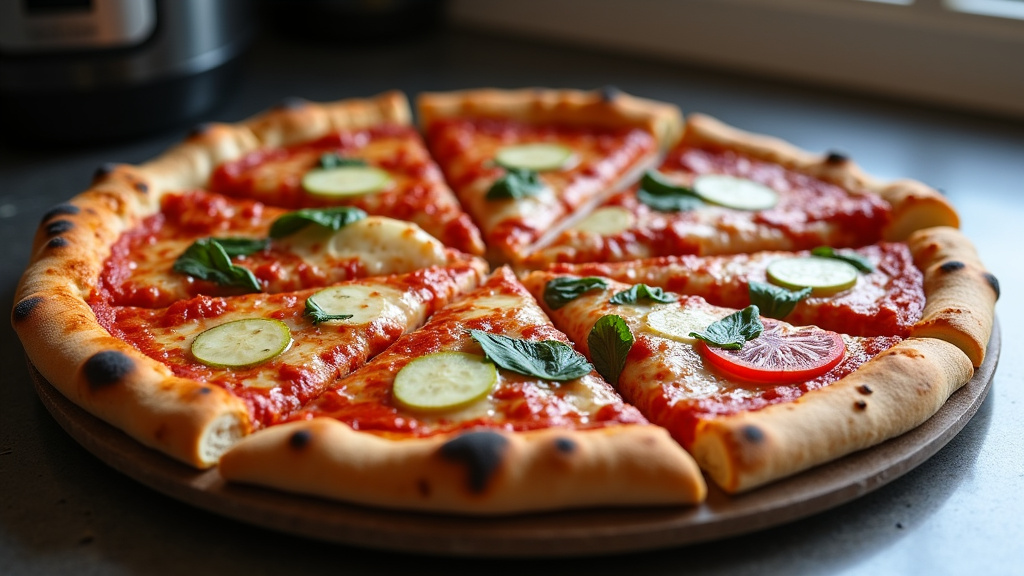
Tips for Using Your Pizza Steel Safely and Effectively
Even though steel is much more forgiving, a few best practices will ensure it lasts and performs at its best. These tips will help you avoid any potential issues and get the most out of your investment.
Preheating is Key
While steel heats faster than stone, you still need to preheat it properly. Place it in your oven at your desired temperature for at least 15-30 minutes. This ensures the steel is evenly hot and ready to cook your pizza dough.
Handle with Care (It’s Hot!)
Pizza steel gets incredibly hot. Always use high-quality oven mitts or heat-resistant gloves when handling it, even if you’re just moving it within the oven. A slip can cause serious burns.
Cleaning Your Steel
Avoid using soap or harsh detergents on your pizza steel, especially if it’s seasoned carbon steel. These can strip away the protective seasoning. Instead, use a stiff brush or scraper to remove food bits while the steel is still warm (but not scorching hot). You can also use hot water. For stubborn bits, a gentle scrub with a non-abrasive pad is usually sufficient. Always dry it thoroughly immediately after cleaning to prevent rust.
Many sources, like kitchen appliance manufacturers, recommend this method for maintaining seasoning and preventing rust. Proper cleaning ensures your steel remains non-stick and performs beautifully for years.
Avoiding Extreme Temperature Changes
While steel is resistant to thermal shock, it’s still best practice to avoid extreme, sudden temperature changes. Don’t quench a hot steel in cold water. Let it cool down gradually. This prolongs its life and keeps it in top condition.
Making the Switch for Better Pizzas and Less Stress
If you’re tired of the constant worry about your pizza stone cracking, or if you’ve already experienced the disappointment, making the switch to a pizza steel is a smart move. It directly addresses the problem of thermal shock that plagues ceramic and stone baking surfaces.
You get a more durable, reliable cooking surface that consistently delivers crispier crusts. It’s an investment in better homemade pizzas and a less stressful cooking experience. So, when you ask yourself, “What product helps with pizza stone cracking?”, the answer is clear: a pizza steel.
Your Pizza-Making Checklist for Success
- Choose the right size: Make sure your steel fits comfortably in your oven.
- Preheat thoroughly: Give your steel adequate time to heat up.
- Use proper tools: Always use oven mitts when handling hot steel.
- Clean gently: Avoid harsh cleaners to protect the surface.
- Dry completely: Always dry your steel immediately after cleaning.
- Enjoy delicious, crispy pizzas: That’s the best part!
Conclusion
You’ve learned that pizza stones crack primarily due to thermal shock from rapid temperature changes. While careful handling can extend a stone’s life, the most effective product to prevent cracking is a pizza steel. Steel’s flexibility and superior heat conductivity make it far more resistant to breakage.
Switching to a pizza steel means you can enjoy reliably crispier crusts without the worry of your baking surface shattering. Ready to upgrade your pizza game? Your next step is to research and choose a pizza steel that fits your oven and your cooking style. You’ll be making stress-free, delicious pizzas in no time!
Frequently Asked Questions
Will a pizza steel ever crack?
Pizza steels are incredibly durable and highly resistant to cracking. Unlike brittle ceramic stones, steel has a natural flexibility. While extreme misuse could theoretically cause damage, cracking from normal heating and cooling cycles is virtually unheard of with pizza steel.
Can I still get a crispy crust with a pizza steel?
Yes, you can get an even crispier crust with a pizza steel! Steel conducts heat much more efficiently than stone. This rapid heat transfer to your dough creates excellent oven spring and a perfectly browned, crispy bottom crust that rivals professional pizza ovens.
Is a pizza steel difficult to clean?
Cleaning a pizza steel is quite straightforward. It’s best to avoid soap, especially on seasoned carbon steel. You can usually scrape off stuck-on bits with a stiff brush or scraper while the steel is warm. Dry it thoroughly immediately after cleaning to prevent rust.
How long do I need to preheat a pizza steel?
While steel heats up faster than stone, proper preheating is still important for best results. Most experts recommend preheating your pizza steel in the oven for at least 15-30 minutes at your desired cooking temperature. This ensures it’s evenly hot for perfect pizza.
Can I put a cold pizza steel in a hot oven?
It’s best to avoid extreme temperature shocks, even with steel. While steel is much more tolerant than stone, it’s good practice to let the steel come closer to room temperature before placing it in a very hot oven. Similarly, avoid quenching a hot steel with cold water; let it cool gradually.
