
How to Fix Pizza Oven Losing Heat?
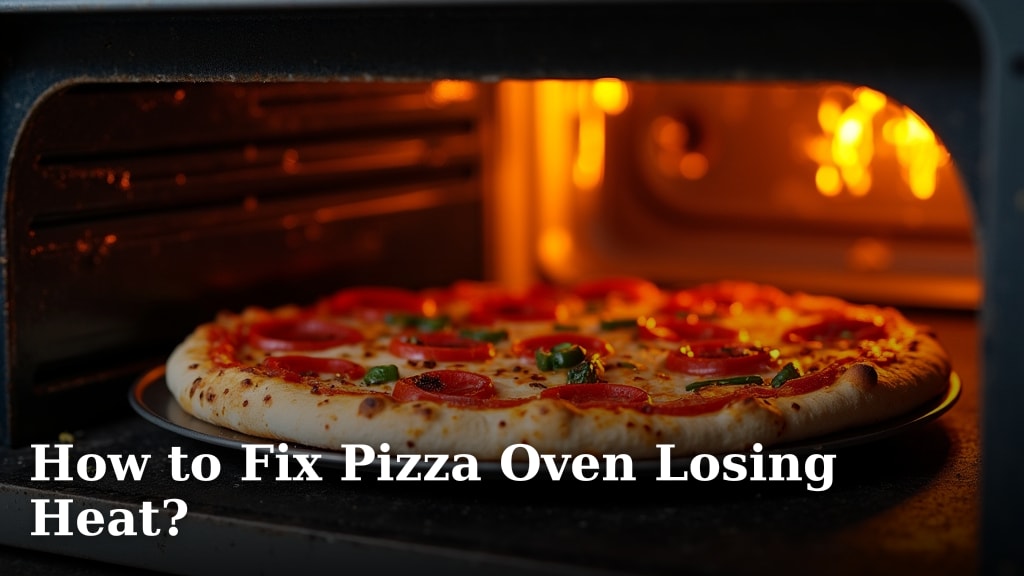
Your pizza oven losing heat can be frustrating, but fixing it is often straightforward. The most common culprits are cracks in the dome, a faulty door seal, or issues with your flue damper. Addressing these can quickly restore your oven’s ability to reach and maintain high temperatures for perfect pizzas.
It’s a bummer when your trusty pizza oven decides to take a nap mid-bake. We’ve found that understanding the common causes is the first step. Whether it’s an older oven showing its age or a new one with a quirky issue, there are practical solutions. You just need to know where to look for these heat leaks.
- Check for dome cracks and seal them up.
- Inspect and repair your oven door seal.
- Ensure your flue damper is working correctly.
- Consider your oven’s insulation.
- Proper firing techniques matter.
Let’s walk through exactly how to identify and fix these heat-stealing problems so you can get back to baking delicious pizzas.
Getting Your Pizza Oven Back to Hot
Is your pizza oven struggling to reach those blistering temperatures? You’re not alone. It can be disheartening when your oven loses its heat, turning a fun pizza night into a culinary crisis. We’ve found that most heat loss issues stem from a few common areas. Let’s pinpoint exactly what’s causing your oven to cool down and how you can fix it. You want that perfect, crispy crust, and a hot oven is the key!
Cracks in the Dome: The Silent Heat Thieves
The dome of your pizza oven is its heart, trapping and reflecting heat. Over time, thermal expansion and contraction can cause small cracks to appear. These might seem minor, but they act like tiny escape routes for your precious heat. Research indicates that even hairline cracks can significantly impact your oven’s ability to maintain high temperatures (The Brick Industry Association).
Identifying Dome Cracks
Start with a good visual inspection. Let your oven cool down completely. Look carefully at the inner dome surface. Are there any visible lines or fissures? Sometimes, soot or ash can obscure these cracks. Gently brushing away any debris can reveal them. Pay special attention to areas where the dome meets the hearth or the opening.
Repairing Dome Cracks
For small to medium cracks, a specialized refractory mortar or cement is your best friend. This material is designed to withstand extreme heat. Before applying, ensure the crack is clean and dry. Mix the mortar according to the manufacturer’s instructions. It should have a thick, paste-like consistency. Carefully fill the crack with the mortar, pressing it in firmly. Smooth the surface so it’s flush with the surrounding dome. Allow it to cure fully, which can take a few days, before firing the oven again. Skipping this curing time can lead to new cracks.
Larger Cracks Need More Attention
If you discover very large or widespread cracking, it might be a sign of more significant structural issues. In such cases, consult with a professional oven builder or consider a more extensive repair. For DIY repairs on bigger cracks, you might need to apply multiple layers of refractory material. Make sure each layer is fully cured before adding the next. Patience is key here!
The Door Seal: A Critical Barrier
Your oven door is designed to keep the heat inside. If the seal around the door is worn, damaged, or missing, hot air will escape freely. We found that a poor door seal is a frequent culprit for ovens losing heat, especially during longer baking sessions. It’s like leaving a window open in your house on a cold day.
Inspecting Your Door Seal
Examine the seal that runs around the perimeter of your oven door. Is it cracked, brittle, or falling apart? Sometimes, the metal or ceramic material the seal is attached to can also become warped or damaged. A simple test is to close the door with a piece of paper or a thin rag caught in the seal. If you can pull the paper out easily, the seal isn’t tight enough. You should feel some resistance.
Repairing or Replacing the Door Seal
Many pizza ovens use a high-temperature fiberglass or ceramic rope for the door seal. If yours is damaged, you can often purchase a replacement kit. These kits typically include the rope and a high-temperature adhesive. Clean the area where the old seal was attached. Apply the adhesive according to the instructions and press the new rope firmly into place. Allow it to cure completely. If your oven has a metal door frame that’s bent, you might need to carefully use pliers or a rubber mallet to gently reshape it for a better fit. Don’t force it, as you could cause more damage.
Flue Damper Issues: Controlling the Draft
The flue damper controls the airflow through your oven. When open, it allows smoke and heat to escape. When closed, it helps retain heat. If your damper is stuck, won’t close properly, or is missing, you’re essentially letting heat go to waste. Many oven manufacturers recommend closing the damper once the oven reaches temperature and the main flames have died down.
Checking the Damper Function
Locate your flue damper. It’s usually a metal plate or cone mechanism near the flue opening. Try to operate it. Does it move freely? Does it fully open and close? Sometimes, creosote or ash buildup can cause it to stick. If it feels stiff, try working it back and forth gently. If it’s loose or appears broken, it might need replacement.
Cleaning and Repairing the Damper
First, ensure the oven is completely cool. Use a wire brush to clean any soot or debris from the damper mechanism and the surrounding flue area. If the damper is just sticking, cleaning might be all you need. If the mechanism is damaged or parts are missing, you may need to order a replacement part from the manufacturer. Some dampers can be repaired by tightening screws or replacing small components. Always ensure the damper seals tightly when closed to prevent heat escape.
Insulation: The Unsung Hero of Heat Retention
Good insulation is vital for any oven that needs to get and stay hot. If your pizza oven was poorly insulated during its construction, or if the insulation has degraded over time, it will struggle to retain heat. This is especially true for outdoor wood-fired ovens.
Types of Pizza Oven Insulation
Most high-temperature ovens rely on ceramic fiber blankets for insulation. These blankets are typically placed between the firebrick dome and an outer shell. Some ovens might also use vermiculite or perlite mixed with cement as an insulating layer. We found that the quality and thickness of this insulation layer make a big difference in how quickly the oven heats up and how long it stays hot.
Assessing and Improving Insulation
Inspect the insulation layer if possible. For many ovens, this means looking for signs of crumbling, gaps, or compression in the material. If you can access the insulation, check for areas where it might have become wet and then dried out, which can degrade its effectiveness. Sometimes, adding an extra layer of ceramic fiber blanket can significantly improve performance. This is a more involved repair, often requiring you to remove an outer casing. If you’re unsure, consulting your oven’s manual or a professional is a good idea.
Firing Techniques: Are You Firing It Right?
Sometimes, the oven itself isn’t the problem, but how you’re firing it up. Improper firing can lead to inefficient heating and heat loss. Getting the temperature right and maintaining it requires a bit of practice.
The Importance of Preheating
You need to preheat your oven thoroughly. This means building a fire inside the oven and letting it burn until the dome turns white again. This process drives out any moisture and heats the firebricks evenly. We found that many people underestimate the time needed for proper preheating. It can take anywhere from 45 minutes to over an hour, depending on the oven size and construction. Don’t rush this step!
Managing the Fire
Once your oven is hot, you need to manage the fire to maintain temperature. For cooking pizzas, you typically want to push the coals and embers to the side or back of the oven, leaving the cooking surface clear. Then, close the door and allow the residual heat to cook your pizza. If the oven cools too quickly, you may need to build a small fire or add a few pieces of wood periodically. The goal is to maintain a consistent temperature, not a roaring blaze for the entire cooking period.
Checklist for a Hot Oven
- Inspect dome for cracks.
- Check door seal for leaks.
- Test flue damper operation.
- Assess insulation integrity.
- Ensure proper preheating time.
- Maintain consistent fire management.
Conclusion
You’ve learned that your pizza oven losing heat isn’t a lost cause! We’ve covered the most common heat leaks, from those sneaky dome cracks and worn door seals to damper issues and insulation problems. Remember, a well-maintained oven is key to perfect pizzas. By following these steps, you can identify and fix these issues yourself.
Don’t let a cool oven stop your pizza-making fun. Take action today by performing a thorough inspection of your oven. You’ll be back to enjoying crispy, delicious pizzas in no time!
Frequently Asked Questions
How often should I inspect my pizza oven for heat loss issues?
We recommend a quick visual check of your oven’s dome and door seal before each pizza-making session. A more thorough inspection, including checking the damper and insulation, should be done at least once a year, or whenever you notice a significant drop in oven temperature.
Can very small cracks in the dome really affect my oven’s temperature?
Yes, even hairline cracks can impact heat retention. Research indicates that these small openings allow precious heat to escape, making your oven work harder to stay hot. Sealing them promptly is the best approach.
What kind of material should I use to repair dome cracks?
You should use a specialized refractory mortar or cement designed for high-temperature applications. This material is formulated to withstand the extreme heat of your pizza oven and can effectively seal cracks when applied correctly.
My oven door doesn’t seem to close tightly. What should I do?
First, inspect the door seal for damage or wear. If it’s brittle or cracked, you’ll likely need to replace it with a high-temperature fiberglass or ceramic rope. Ensure the door frame itself isn’t bent, which could also prevent a tight seal.
Is it normal for my pizza oven to lose heat after a long baking session?
It’s normal for any oven to gradually lose heat, but a properly functioning and insulated pizza oven should maintain high temperatures for a considerable time. If you find it cools down too quickly, it’s a strong signal that you need to investigate potential heat leaks.
