
What Causes Pizza Cooking Unevenly?
Your pizza might be cooking unevenly because of a few common culprits. Often, it’s an uneven heat distribution in your oven, or perhaps your pizza stone isn’t preheated properly. Sometimes, it’s as simple as how you’ve arranged the toppings. We’ve all been there, right? A perfectly golden crust on one side and a sad, pale dough on the other.
This common cooking frustration can happen for several reasons, from your oven’s quirks to how you’ve prepared your pie. Understanding these factors can help you achieve that perfectly cooked pizza, edge to edge. We found that a little knowledge goes a long way toward a happier pizza-eating experience.
- Oven hot spots are a major cause.
- Pizza stone temperature matters a lot.
- Topping placement can lead to uneven baking.
- Oven rack position affects heat exposure.
- Pizza dough thickness can play a role too.
Let’s break down why this happens and what you can do about it to get that perfect, evenly baked pizza every time.
Why Your Pizza Bakes Unevenly: Common Causes
It’s a common pizza problem. One side is perfectly browned, while the other remains pale and doughy. You might wonder, “Why is my pizza cooking unevenly?” Several factors can cause this frustrating uneven bake. Understanding these can help you achieve pizza perfection every time.
Oven Temperature and Heat Distribution Issues
Your oven is the heart of your pizza-making operation. If it’s not heating correctly, your pizza will suffer. Uneven heating is the most frequent culprit.
Hot Spots in Your Oven
Most home ovens have hot spots. These are areas that get hotter than others. This often happens because the heating elements aren’t perfectly placed. Or, the thermostat might be slightly off. You might have a particularly hot side or corner. This leads to one part of your pizza cooking faster than the rest.
Research shows that oven temperature can fluctuate by 25-50 degrees Fahrenheit or more (Food Network). This variation means some parts of your pizza get more intense heat. This can cook them too quickly. The other parts don’t get enough heat. They end up undercooked.
Convection vs. Conventional Ovens
Convection ovens use a fan to circulate hot air. This usually leads to more even cooking. However, the fan can sometimes push the hot air more forcefully onto one side of the oven. This can create its own kind of hot spot. Conventional ovens rely on natural heat rising. This can also lead to cool and hot zones.
Oven Rack Placement Matters
Where you place your oven rack is a big deal. The rack closest to the bottom heating element will get more direct heat. This can lead to a burnt bottom crust. The rack closest to the top element can cause the toppings to cook too fast. It might even burn before the crust is done. Finding the middle rack is often the best starting point for pizzas. This offers a balance of heat from the top and bottom elements.
The Role of Your Pizza Stone or Baking Steel
Many home pizza makers use a pizza stone or baking steel. These tools absorb and retain heat. They help create a crispier crust. But their temperature is critical.
Is Your Pizza Stone Properly Preheated?
A cold pizza stone won’t do its job. You need to preheat it for a long time. Many experts recommend at least 30-60 minutes at your oven’s highest temperature (The Kitchn). If you place your pizza on a stone that’s not hot enough, the bottom crust won’t cook evenly. It might stay pale and doughy. The top will cook, but the foundation will be weak.
Uneven Stone Thickness or Material
Some pizza stones are thicker on one side than the other. This can lead to uneven heat absorption. Similarly, the material can matter. Ceramic stones can sometimes heat more unevenly than baking steels. A baking steel tends to conduct heat more uniformly.
Toppings and Dough Thickness: Your Direct Influence
What you put on your pizza and how you prepare the dough also play a huge role. These are things you have direct control over.
Topping Distribution is Key
Think about how heat travels. Cold toppings can cool down the dough underneath them. If you pile cheese and toppings heavily on one side of the pizza, that area will cook differently. The side with fewer or lighter toppings might cook faster. The side with heavy, dense toppings might cook slower. Try to spread your toppings out evenly. Keep heavier items away from the edges to prevent burning.
We found that when toppings are clustered, they act like little shields. They can prevent heat from reaching the dough. This creates a barrier. Moisture from the toppings can also steam the dough below. This prevents it from crisping up.
Dough Thickness and Consistency
A pizza with an unevenly thick crust will cook unevenly. A very thin spot might burn quickly. A thick spot will take longer to bake through. If you’re hand-stretching your dough, try to keep the thickness as consistent as possible. A good dough ball should be stretched to a uniform thickness across the entire surface. Aim for about 1/4 inch thickness for most pizza styles. This helps ensure even cooking.
Sauce and Cheese Coverage
Similar to toppings, how you apply sauce and cheese matters. If you leave a large bare patch of dough, it might cook differently than the sauced areas. If you overload one section with sauce or cheese, it can create a pocket of moisture. This might lead to a softer crust in that spot. A light, even layer of sauce and cheese is usually best.
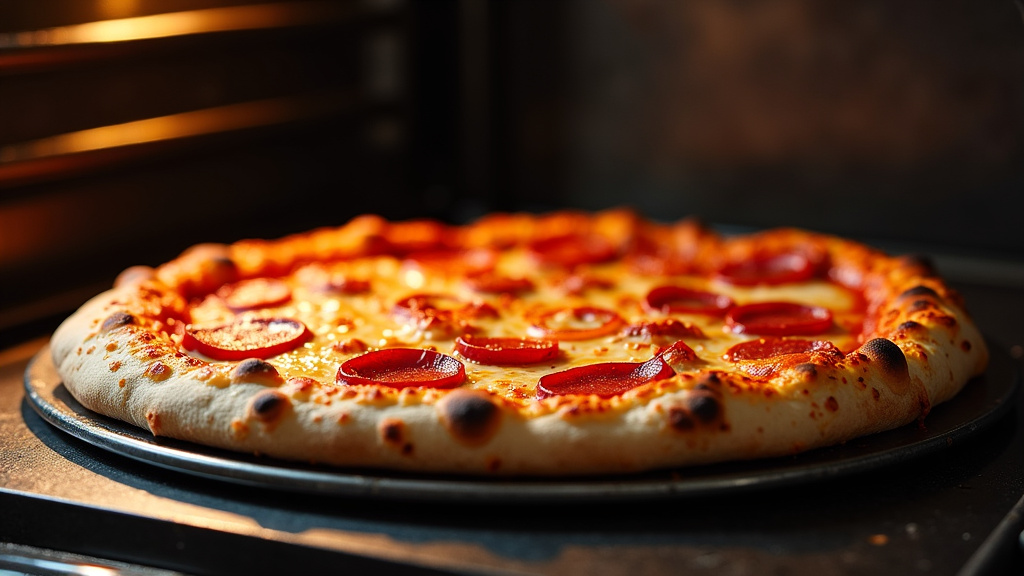
Oven Habits that Affect Baking
Even the way you use your oven can contribute to uneven cooking. Little habits can make a big difference.
Opening the Oven Door Too Often
Every time you open the oven door, you lose heat. This causes the oven temperature to drop significantly. If you’re constantly checking your pizza, you’re prolonging the cooking time. This can also make the temperature fluctuate wildly. This fluctuation leads to uneven baking. Try to resist the urge to peek too often. Use your oven light instead.
Rotating Your Pizza (or Not!)
If you notice your pizza is starting to bake unevenly, rotation is your friend. If you see one side browning faster, give the pizza a half-turn. This allows the other side to get more heat. Many home cooks find rotating the pizza halfway through baking helps ensure an even finish. This is especially true if you have known hot spots in your oven.
Troubleshooting Table for Uneven Pizza Cooking
Here’s a quick guide to help you diagnose and fix common uneven pizza problems.
| Problem | Likely Cause | Solution |
|---|---|---|
| Bottom Crust Burnt, Top Undercooked | Oven rack too low; Pizza stone too hot; Oven too hot overall | Move rack to middle; Preheat stone for less time; Lower oven temp |
| Top Burned, Bottom Pale | Oven rack too high; Not enough direct heat from below | Move rack to middle; Use a pizza stone/steel; Preheat stone thoroughly |
| One Side Darker Than Other | Oven hot spot; Uneven topping distribution | Rotate pizza halfway through; Distribute toppings evenly |
| Soggy Middle Crust | Toppings too wet; Dough too thick; Stone not hot enough | Pat toppings dry; Stretch dough evenly and thinner; Preheat stone longer |
Quick Checklist for Even Pizza Baking
Want to avoid uneven cooking next time? Keep these simple tips in mind:
- Preheat your oven AND pizza stone/steel fully.
- Position your oven rack in the middle.
- Distribute toppings evenly, avoiding heavy clumps.
- Stretch your dough to a consistent thickness.
- Resist opening the oven door too often.
- Rotate your pizza if you see uneven browning.
Conclusion
You’ve learned that unevenly cooked pizza is a common frustration. It often boils down to a few key factors. Understanding your oven’s quirks, like hot spots and rack placement, is vital. Proper preheating of your pizza stone or steel is non-negotiable for a crisp crust. Don’t forget the impact of how you arrange your toppings and stretch your dough. By paying attention to these details, you can transform your pizza-making game. Next time you bake, focus on one or two of these tips. You’ll be well on your way to achieving that perfect, evenly baked pizza, slice after slice.
Frequently Asked Questions
Can my oven’s age affect how my pizza cooks?
Yes, older ovens can be less reliable. Their thermostats might drift over time, leading to less accurate temperatures and more pronounced hot spots. You might also find that older heating elements don’t distribute heat as evenly. Consider using an oven thermometer to check its actual temperature.
Is a pizza stone really better than a baking sheet?
A pizza stone or baking steel is generally better for achieving an evenly cooked, crispy crust. They absorb and retain a lot of heat, transferring it directly and quickly to the dough. A standard baking sheet doesn’t hold heat as effectively, which can lead to a less crisp bottom and potentially slower, uneven baking.
What’s the best way to deal with a really strong oven hot spot?
If you have a persistent hot spot, the best defense is rotation. You’ll want to rotate your pizza frequently, perhaps every 5-7 minutes, especially in the first half of baking. You can also try placing your pizza stone or steel in a different position in the oven if possible. Some people even use two stones to help buffer the heat.
How can I prevent my toppings from burning while the crust cooks?
This often happens when the oven rack is too high. Try moving your pizza to the middle rack. Ensure your pizza stone or steel is fully preheated to transfer enough heat to the bottom crust. You might also want to avoid overloading the pizza, especially with moisture-rich toppings that can steam the crust.
Does the thickness of my pizza sauce matter for even cooking?
Yes, the thickness of your sauce can contribute to uneven cooking. Too much sauce, especially if it’s watery, can create a steaming effect on the dough beneath it. This can lead to a soggy spot that doesn’t crisp up properly. Aim for a thin, even layer of sauce to ensure consistent baking across the entire pizza.
