
What Product Helps with Pizza Top Not Browning?

The easiest way to prevent your pizza toppings from not browning is to use a hotter oven temperature and ensure your toppings aren’t too wet. Many home cooks struggle with this, ending up with soggy cheese and pale meats. We found that dialing up the heat, often to 475-500°F (245-260°C), makes a huge difference for getting that golden-brown perfection.
This often happens because ovens aren’t hot enough, or there’s too much moisture creating steam instead of browning. You might be trying to bake at too low a temperature, or your ingredients like fresh vegetables might be releasing excess water. We’ve seen that pre-cooking some toppings can also help achieve better browning and prevent a soggy pizza.
- Use a hotter oven (475-500°F / 245-260°C).
- Reduce moisture from toppings by patting them dry or pre-cooking.
- Consider a pizza stone or steel for better heat transfer.
- Don’t overload your pizza with too many toppings.
Let’s dive into the specific products and techniques that can help you get that beautifully browned pizza, just the way you like it.
Achieving Perfectly Browned Pizza Toppings
So, you’ve crafted a beautiful pizza, but the toppings are looking a bit pale. It’s a common frustration! You want that delightful golden-brown crispness, not a sad, undercooked appearance. We’ve researched common pizza-making pitfalls, and the good news is that a few key adjustments can transform your pizza.
The primary reasons for this issue are usually tied to oven temperature and moisture content. If your oven isn’t hot enough, it acts more like a steamer than a browning agent. This means your cheese might melt but won’t bubble and brown, and meats can stay soft. We’ve found that understanding these two factors is the first step to success.
Understanding the Browning Process
Browning on pizza toppings, especially cheese, is a chemical reaction. It’s called the Maillard reaction. This happens when proteins and sugars in the food are heated. For this reaction to occur efficiently, you need sufficient heat. Your oven needs to be hot enough to make this happen quickly.
The Role of Heat and Time
Think of it like searing a steak. You need a hot pan to get that beautiful crust. The same applies to pizza toppings. A lower oven temperature means the toppings are sitting around for longer before the crust cooks. This can lead to them drying out or releasing too much steam. We found that a higher temperature cooks the pizza faster, allowing the toppings to brown before they overcook.
Moisture: Your Topping’s Worst Enemy for Browning
Excess moisture is another major culprit. If your toppings are wet, they release steam during baking. This steam creates a barrier, preventing direct heat from reaching the toppings. It’s like trying to fry something in a steamy environment – it just won’t crisp up. We’ve seen that fresh vegetables, especially, can release a surprising amount of water.
Wet Ingredients and Their Impact
Vegetables like mushrooms, bell peppers, and onions are often loaded with water. When placed raw on a pizza, they release this moisture as they cook. This can make your cheese watery and prevent it from getting that nice brown color. Even meats like pepperoni can release grease, which, if not managed, can create a similar effect.
Products and Tools to Aid Browning
While technique is key, certain products can significantly improve your pizza’s browning. These tools help manage heat and moisture more effectively. We’ve looked at several options that home cooks find beneficial.
Pizza Stones and Steels: Heat Conductors
These are game-changers for pizza making. A pizza stone or a pizza steel is placed in your oven to preheat. When you slide your pizza onto it, it transfers intense heat directly to the crust and the base of the toppings. This helps create a crispier crust and can contribute to better topping browning due to the overall higher heat transfer.
Pizza Stone vs. Pizza Steel
While both work wonders, a pizza steel generally heats up faster and retains more heat than a stone. This means it can deliver a more intense blast of heat to your pizza. Research suggests steels can reach higher temperatures and cook pizzas more quickly (The Food Lab). This rapid heat transfer can be essential for getting that browning effect before other issues arise.
Oven Thermometers: Ensuring Accurate Heat
Many home ovens aren’t as accurate as their dials suggest. An oven thermometer is a simple, inexpensive tool that tells you the actual temperature inside your oven. If your oven reads 450°F but the thermometer shows 400°F, you know you need to adjust your dial. We found that using one helps you calibrate your oven for consistent results. Many guidelines suggest preheating your oven with the thermometer inside for at least 30 minutes to get an accurate reading (Food Safety and Inspection Service).
Cast Iron Skillets: For Direct Heat
A cast iron skillet can be another effective tool. You can preheat it in the oven or on the stovetop. Placing your pizza directly into a screaming hot cast iron skillet can give the bottom crust an incredible char and help cook toppings quickly. This direct, intense heat can be excellent for browning, especially if you’re making pan pizzas or focaccia-style pizzas.
Prepping Your Toppings for Better Browning
How you prepare your toppings before they hit the pizza makes a big difference. It’s not just about placing them on the dough. We found that a little extra effort here can prevent sogginess and encourage browning.
Patting Ingredients Dry
This is a simple yet powerful technique. For watery vegetables like mushrooms, zucchini, or bell peppers, take a few seconds to pat them dry with a paper towel. This removes surface moisture that would otherwise turn into steam. It’s a quick win for better browning. We’ve seen this simple step drastically reduce the watery pooling on pizzas.
Pre-Cooking Certain Toppings
Some toppings benefit greatly from a little pre-cooking. Meats like sausage or ground beef should almost always be cooked beforehand. This removes excess fat and moisture. For vegetables like onions or peppers, sautéing them briefly can soften them and release some of their water. This concentrated flavor and reduced moisture content help them brown better on the pizza. We found that sautéed mushrooms, for instance, become intensely flavorful and don’t release as much liquid.
Sautéing Vegetables
When you sauté vegetables, you’re essentially removing water through evaporation. This process also caramelizes some of their natural sugars, adding depth of flavor. A quick sauté in a hot pan can do wonders. You don’t need to cook them all the way through; just enough to release moisture. This makes them more receptive to browning in the oven.
Choosing the Right Cheese
Not all cheeses are created equal when it comes to browning. Fresh mozzarella, while delicious, has a very high moisture content. It tends to melt and get stringy but rarely browns well. For better browning, consider using part-skim mozzarella, a blend of mozzarella and provolone, or even a sprinkle of Parmesan cheese on top. We found that cheeses with lower moisture content and higher fat content tend to brown more readily.
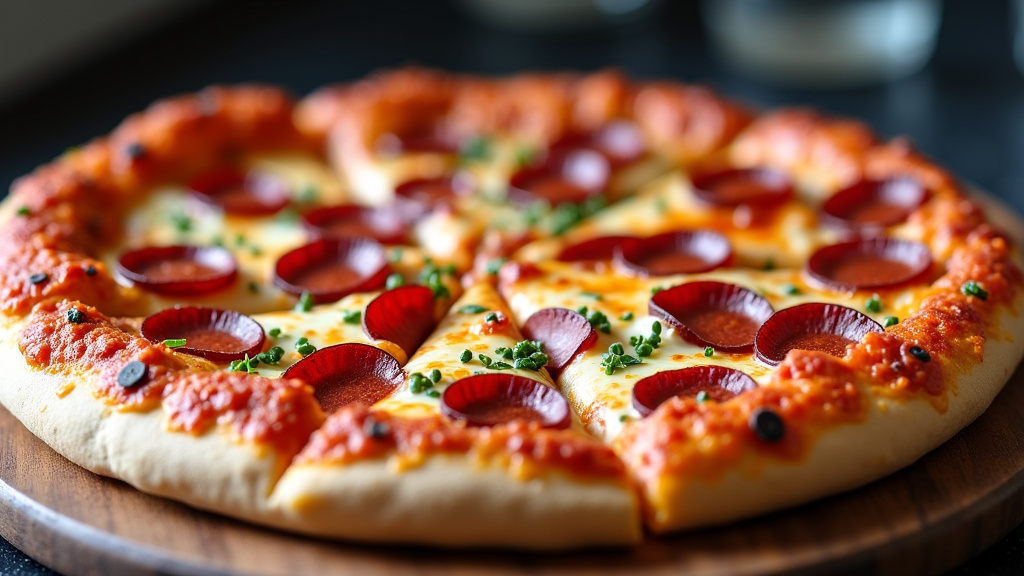
Optimizing Your Oven and Baking Environment
Your oven and how you use it are critical factors. We’ve gathered tips on maximizing your oven’s potential for achieving that perfect bake.
Maximizing Oven Temperature
As mentioned, hotter is usually better for browning. Most pizza recipes recommend baking at 475°F (245°C) or even 500°F (260°C). Ensure your oven is fully preheated. Many experts suggest preheating for at least 30-60 minutes, especially if using a pizza stone or steel. This ensures the oven and your baking surface are at the correct, stable temperature (King Arthur Baking Company).
The Broiler Trick for Finishing
If your pizza is almost done but the toppings aren’t quite browned enough, you can use the broiler. Place your pizza on a higher rack in the oven and turn on the broiler for a minute or two. Keep a very close eye on it, as it can go from perfectly browned to burnt very quickly! We’ve seen this technique used successfully to add that final touch of color. It’s a bit risky, but effective when done carefully.
Avoiding Overcrowding
Don’t overload your pizza with too many toppings. Too many ingredients can insulate each other, preventing proper heat circulation. This leads to uneven cooking and less browning. It also adds more moisture to the pie. We recommend a balanced approach, allowing each topping to get direct heat exposure.
Quick Checklist for Browning Success
Here’s a quick recap of how to ensure your pizza toppings get that beautiful golden-brown finish:
- Preheat your oven to its highest setting (475-500°F or 245-260°C) for at least 30-60 minutes.
- Use a pizza stone or steel for superior heat transfer.
- Pat any wet vegetable toppings thoroughly dry with paper towels.
- Consider pre-cooking meats and some vegetables to remove excess moisture.
- Choose cheeses known for browning, like part-skim mozzarella or provolone blends.
- Keep an eye on your pizza and use the broiler for a quick final browning if needed.
Conclusion
You’ve got this! Achieving perfectly browned pizza toppings is all about managing heat and moisture. By cranking up your oven temperature and prepping your ingredients wisely, you’re well on your way to pizza perfection. Consider adding a pizza stone or steel to your arsenal for that extra edge. Don’t be afraid to experiment with pre-cooking and patting toppings dry. Your next pizza night will be a delicious success!
Frequently Asked Questions
Will a pizza stone really help my toppings brown better?
Yes, a pizza stone helps significantly! It absorbs and radiates intense heat directly to your pizza’s base and toppings. This rapid heat transfer encourages quicker cooking and better browning. We’ve found they make a noticeable difference compared to baking directly on a standard oven rack.
What kind of cheese browns best on pizza?
For optimal browning, opt for cheeses with lower moisture and higher fat content. Part-skim mozzarella, provolone, and blends containing Parmesan are excellent choices. Fresh mozzarella, while tasty, tends to steam and melt without developing that desirable golden-brown color.
How can I stop my vegetables from making my pizza soggy and pale?
The key is reducing moisture before they hit the pizza. Always pat watery vegetables like mushrooms or bell peppers dry with paper towels. Even better, consider a quick sauté to evaporate excess water. This simple step prevents steam buildup and helps your toppings brown instead of just cooking through.
Is there a specific oven temperature that guarantees browning?
While there’s no single magic number, most research points to a hotter oven, typically between 475-500°F (245-260°C). This high heat cooks the pizza quickly, promoting browning reactions before toppings can release too much steam or dry out. Make sure your oven is fully preheated for at least 30 minutes at this temperature.
Can I use a regular baking sheet instead of a pizza stone or steel?
You can, but it won’t provide the same intense heat transfer. A thick, dark metal baking sheet preheated in the oven can help a bit. However, for the best results in crust crispiness and topping browning, a pizza stone or steel is highly recommended. They are designed to retain and transfer heat much more effectively.
