
What Causes Pizza Top Not Browning?
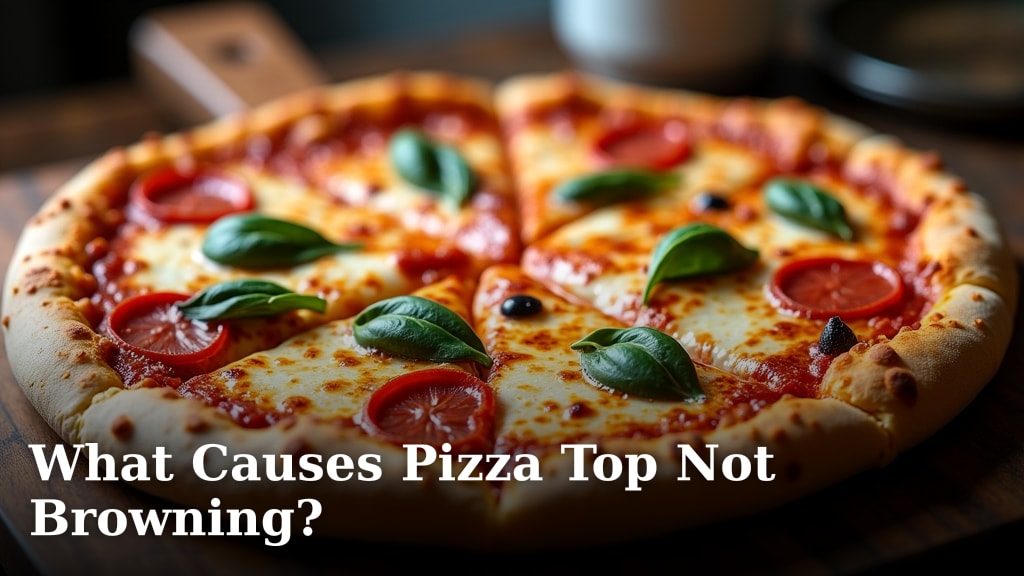
Your pizza topping isn’t browning primarily because of oven temperature, the type of topping, or lack of fat. If your cheese stays pale and your pepperoni looks sad, it’s usually one of these culprits. Getting that perfect golden crust and melted topping means looking at the heat and what’s on top.
We’ve all been there, dreaming of bubbly, browned cheese. A pizza that looks unfinished is disappointing. Sometimes, even a great dough can be let down by toppings that just won’t cooperate. Understanding the common reasons can save your next pizza night.
- Oven temp too low.
- Toppings lack moisture or fat.
- Not enough cooking time.
- Wrong kind of cheese.
Let’s dive into why your pizza toppings might be stubbornly refusing to brown and how you can fix it for your next delicious bake.
Why Your Pizza Toppings Aren’t Getting That Golden Brown Look
If your pizza looks a little pale on top, it’s probably because of a few key factors. We’re talking about that beautiful browning on cheese and toppings that makes a pizza look ready to eat. Several things can prevent this appealing finish. Let’s figure out why your pizza might not be browning as you expect.
The Temperature Effect on Browning
The single biggest reason your pizza toppings stay pale is likely your oven temperature. Pizza needs high heat to achieve that perfect browning. If your oven isn’t hot enough, the cheese will melt, but it won’t get the chance to bubble and brown properly.
Is Your Oven Hot Enough?
Many home ovens don’t reach the super-high temperatures that professional pizza ovens do. Think 450-550°F (230-290°C) or even higher. If you’re baking at 400°F (200°C) or lower, you’re setting yourself up for a less-than-browned pizza.
Research shows that higher temperatures are crucial for Maillard reactions. This is the chemical process that gives browned foods their delicious flavor and color. Without sufficient heat, these reactions just don’t happen effectively.
Oven Calibration: The Unsung Hero
Did you know your oven’s dial might be lying to you? Oven thermostats can be wildly inaccurate. Your oven might say 500°F, but it could be running much cooler. This is a common issue many home cooks face.
A simple oven thermometer is a lifesaver here. You place it inside your oven, and it gives you the real temperature. This small investment can tell you if your oven is truly reaching the heat you set. Many experts recommend checking your oven’s accuracy regularly.
Placement Matters: Rack Position
Where you place your pizza in the oven can also impact browning. Heat rises, and the top heating element is often what gives that lovely char and browning to toppings. If your pizza is too close to the top, it might burn the crust before the toppings brown.
Conversely, if it’s too low, it might not get enough direct heat from the top element. We found that placing the pizza on the middle or upper-middle rack often works best. This allows for good heat circulation around the entire pizza.
Understanding Your Toppings: Fat, Moisture, and Type
It’s not just about the heat; your toppings play a starring role in the browning show. The fat content and moisture level of your toppings directly influence how they brown.
The Fat Factor: Essential for Browning
Fat is a wonderful conductor of heat and helps achieve those delicious browned bits. Think about cheese: higher-fat cheeses tend to brown better than lower-fat versions. If you’re using a cheese marketed as “light” or “fat-free,” you’re likely missing out on browning potential.
Pepperoni, especially those with a good amount of fat, will render its fat as it cooks. This rendered fat then crisps up and browns the edges of the pepperoni slices. Leaner meats or toppings without much fat won’t have this same browning effect.
Moisture Control: Too Much or Too Little?
Excess moisture on your toppings can create a steam bath. This steam can prevent browning by keeping the surface wet. Think about watery vegetables like mushrooms or tomatoes. If they aren’t pre-cooked or patted dry, they release a lot of liquid.
On the flip side, some toppings might be too dry. If they lack any moisture, they might just get tough rather than brown and tender. It’s a delicate balance, but managing excess moisture is key for browning.
Cheese Choices: Not All Cheeses Brown the Same
Different cheeses react differently to heat. Mozzarella, especially whole milk mozzarella, is a classic for a reason. It melts beautifully and browns well. Low-moisture, part-skim mozzarella can also brown, but sometimes it needs a little extra help.
Softer cheeses, like fresh mozzarella (the kind packed in water), have more moisture and can take longer to brown. Harder cheeses, like Parmesan, can brown and even char quickly, adding a nutty flavor. But for that classic melted, bubbly brown cheese, whole milk mozzarella is often your best bet.
We found that a blend of cheeses can offer the best of both worlds: great meltability and good browning. Consider adding a sprinkle of Parmesan or a firmer cheddar for color and flavor.
The Cooking Time Equation
Sometimes, the issue isn’t a single factor but a combination, including how long your pizza is actually in the oven. You might be pulling it out too soon, before the toppings have had a chance to brown.
Patience is a Virtue (for Pizza)
Even with a hot oven, browning takes time. If you’re used to quick-cooking meals, you might be impatient. For a pizza to achieve that golden-brown finish on the cheese and toppings, it might need 8 to 15 minutes or even longer, depending on your oven and pizza style.
Keep an eye on it! Don’t just rely on the timer. Look for visual cues: bubbly cheese, lightly browned edges on pepperoni, and a crust that’s golden brown.
Understanding Your Oven’s Hot Spots
Every oven has hot spots. This means some areas get hotter than others. If you notice one side of your pizza browning faster, it’s likely a hot spot. You might need to rotate your pizza halfway through cooking to ensure even browning.
This rotation helps distribute the heat more evenly. It’s a simple step that can make a big difference. Many bakers find rotating their pizza 180 degrees around the halfway mark yields better results.
Troubleshooting Your Pizza Toppings: A Quick Guide
Let’s break down what you can do to encourage better browning. It’s all about making small adjustments to get that perfect, Instagram-worthy pizza.
Your Pre-Bake Checklist
Before your next pizza night, run through these quick checks:
- Preheat your oven thoroughly, ideally to 500°F (260°C) or higher.
- Use an oven thermometer to confirm your oven’s actual temperature.
- Pat down any watery toppings like mushrooms or peppers to reduce moisture.
- Choose whole milk cheeses for better browning.
- Don’t overload your pizza; too many toppings can prevent even cooking.
- Consider a pizza stone or steel; they retain heat and help cook the base and toppings evenly.
Specific Topping Considerations
Certain toppings are more prone to not browning than others. Understanding these can help you manage expectations and adjust your cooking method.
The Case of the Pale Pepperoni
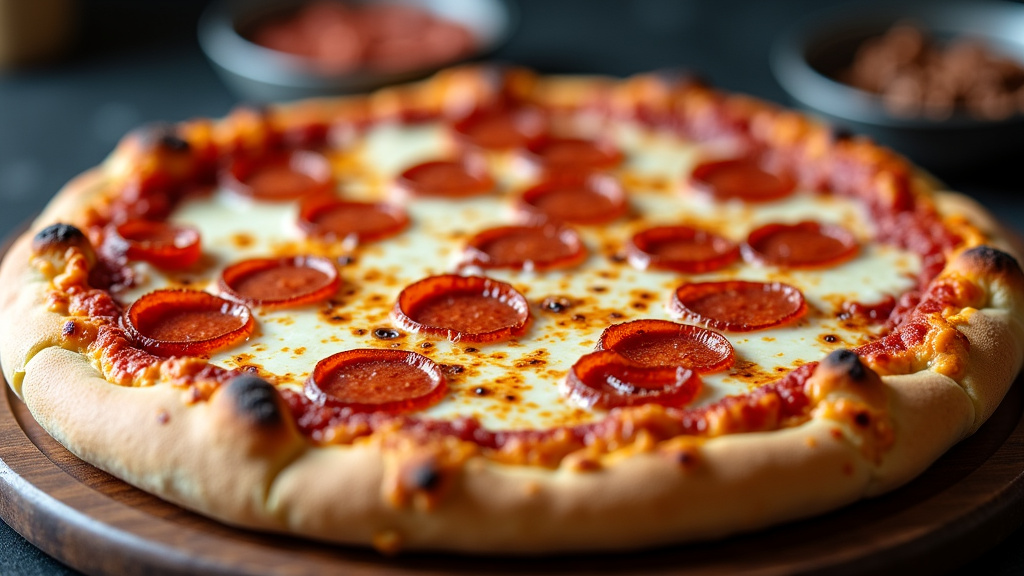
Pepperoni is a popular pizza topping, and its browning is highly dependent on its fat content. If your pepperoni looks sad and pale, it might be a leaner variety. Higher-fat pepperonis will curl up at the edges and release flavorful oils, which then brown.
We found that thicker-cut pepperoni slices also tend to brown better than very thin ones. For those leaner slices, a brief pre-cook under the broiler before adding to the pizza can help render some fat and initiate browning.
Vegetable Browning Challenges
Vegetables like onions, peppers, and mushrooms can be tricky. If added raw, they release moisture. This moisture can steam the pizza, hindering browning.
Pre-sautéing vegetables like onions and peppers before adding them to the pizza can caramelize their sugars, leading to better flavor and color. For mushrooms, a quick sauté or even roasting them separately can remove excess water. This is a technique many chefs use (National Center for Home Food Preservation).
Cheese Types and Browning Scores
Not all cheeses are created equal when it comes to browning. Here’s a simple comparison:
| Cheese Type | Meltability | Browning Potential | Notes |
|---|---|---|---|
| Whole Milk Mozzarella | Excellent | Good | Classic choice, melts well and browns nicely. |
| Low-Moisture Part-Skim Mozzarella | Good | Moderate | Can brown, but sometimes less intensely than whole milk. |
| Fresh Mozzarella (in brine) | Excellent | Low to Moderate | High moisture content, tends to steam more than brown. |
| Provolone | Good | Good | Adds flavor and browns well, often with some red-dish hue. |
| Parmesan/Asiago | Moderate | Excellent (can char) | Dries out and browns/chars quickly, adds sharp flavor. |
| Cheddar | Good | Good | Browns nicely, adds a different flavor profile. |
As you can see, your cheese choice plays a significant role. For that sought-after brown topping, prioritize cheeses known for good browning properties.
Conclusion
Achieving that perfect golden-brown pizza topping is all about managing heat, understanding your ingredients, and giving your pizza enough time. We’ve seen that oven temperature is key, but your cheese choice, fat content, and moisture levels all play a vital role. Don’t forget that your oven might not be as hot as you think, and rack placement matters!
Next time you bake, be sure to preheat thoroughly, use an oven thermometer, and select toppings wisely. By making these simple adjustments, you’ll be well on your way to consistently delicious, beautifully browned pizzas. Happy baking!
